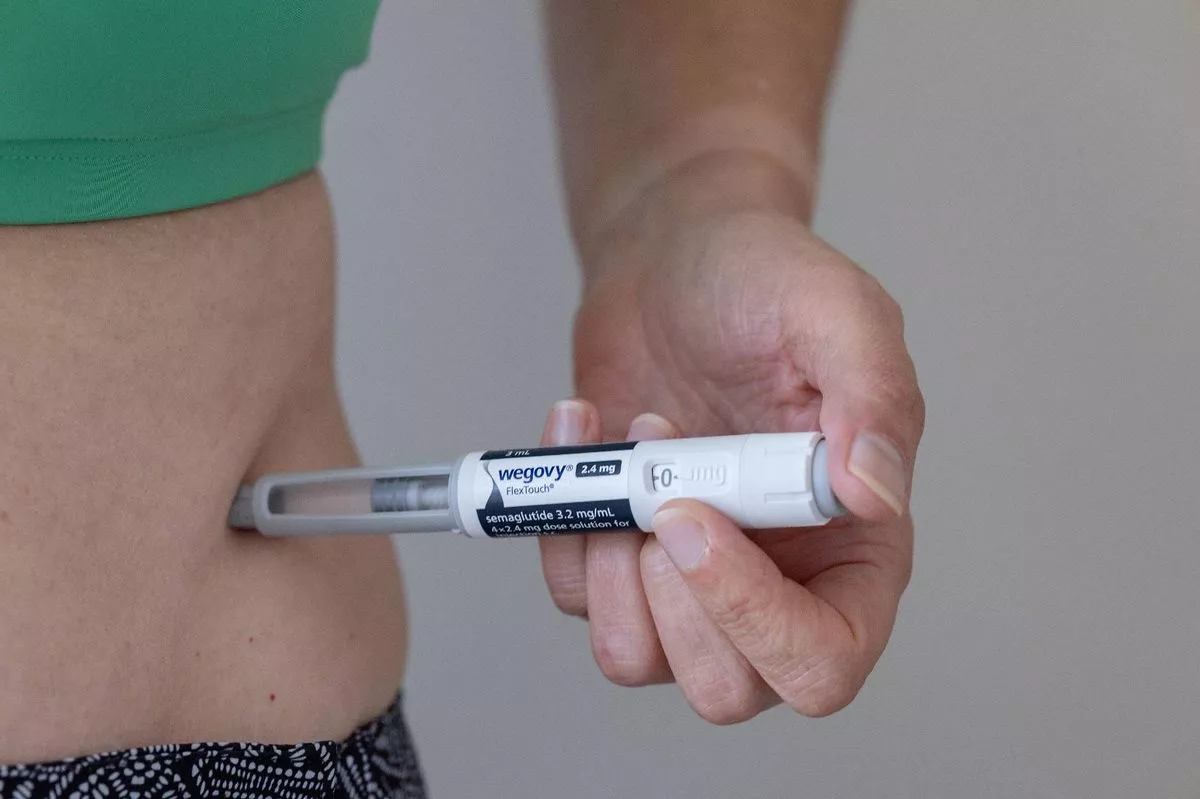
Recent research indicates that semaglutide, a medication traditionally used to manage type 2 diabetes, significantly enhances outcomes for patients undergoing knee replacements due to knee osteoarthritis. This finding is particularly crucial for the growing number of individuals with diabetes who face increased surgical risks.
Patients with type 2 diabetes often encounter complications during and after knee replacement surgeries, making the decision to proceed with the procedure complex. A study conducted by researchers at the University of California, San Francisco and published in the Journal of Clinical Endocrinology & Metabolism highlights how semaglutide can improve surgical outcomes by effectively managing diabetes-related symptoms.
Impact of Semaglutide on Surgical Risks
The study reveals that patients receiving semaglutide experienced a marked reduction in post-surgical complications. Specifically, the risk of infection and prolonged recovery times decreased notably among those who maintained their diabetes management regimen using the drug. With over 30 million people in the United States living with diabetes, this advancement could reshape the approach to knee surgeries for this demographic.
Lead researcher Dr. Sarah Thompson stated, “Our findings suggest that by controlling blood sugar levels more effectively, semaglutide plays a pivotal role in reducing surgical risks and improving recovery times for patients with diabetes.” This statement underscores the importance of integrated care approaches that consider both diabetes management and surgical readiness.
In practical terms, the results mean that diabetic patients may have greater confidence in proceeding with knee replacement surgeries, knowing they have a better chance of a successful outcome. This advancement has the potential to enhance the quality of life for many individuals suffering from knee osteoarthritis.
Broader Implications for Diabetes Management
The implications of this research extend beyond knee replacements. As diabetes continues to rise globally, effective management strategies become increasingly vital. Semaglutide, originally designed to lower blood sugar levels, has emerged as a versatile tool not only for diabetes control but also for improving surgical outcomes.
According to the World Health Organization, the global prevalence of diabetes has nearly quadrupled since 1980, emphasizing the urgent need for innovative treatments. With findings from this study, medical professionals might reconsider existing protocols for pre-surgical evaluations and diabetes management, thereby optimizing surgical outcomes across various procedures.
The study’s findings are particularly relevant as healthcare systems grapple with the dual challenges of managing chronic diseases and ensuring effective surgical interventions. As healthcare providers continue to adapt to these challenges, medications like semaglutide could play a significant role in enhancing patient care and reducing healthcare costs associated with surgical complications.
In conclusion, the research on semaglutide highlights a promising intersection of diabetes management and surgical success, paving the way for improved treatment protocols for patients facing knee replacements. As further studies emerge, the medical community may gain deeper insights into how to leverage such medications to enhance surgical outcomes across different patient populations.