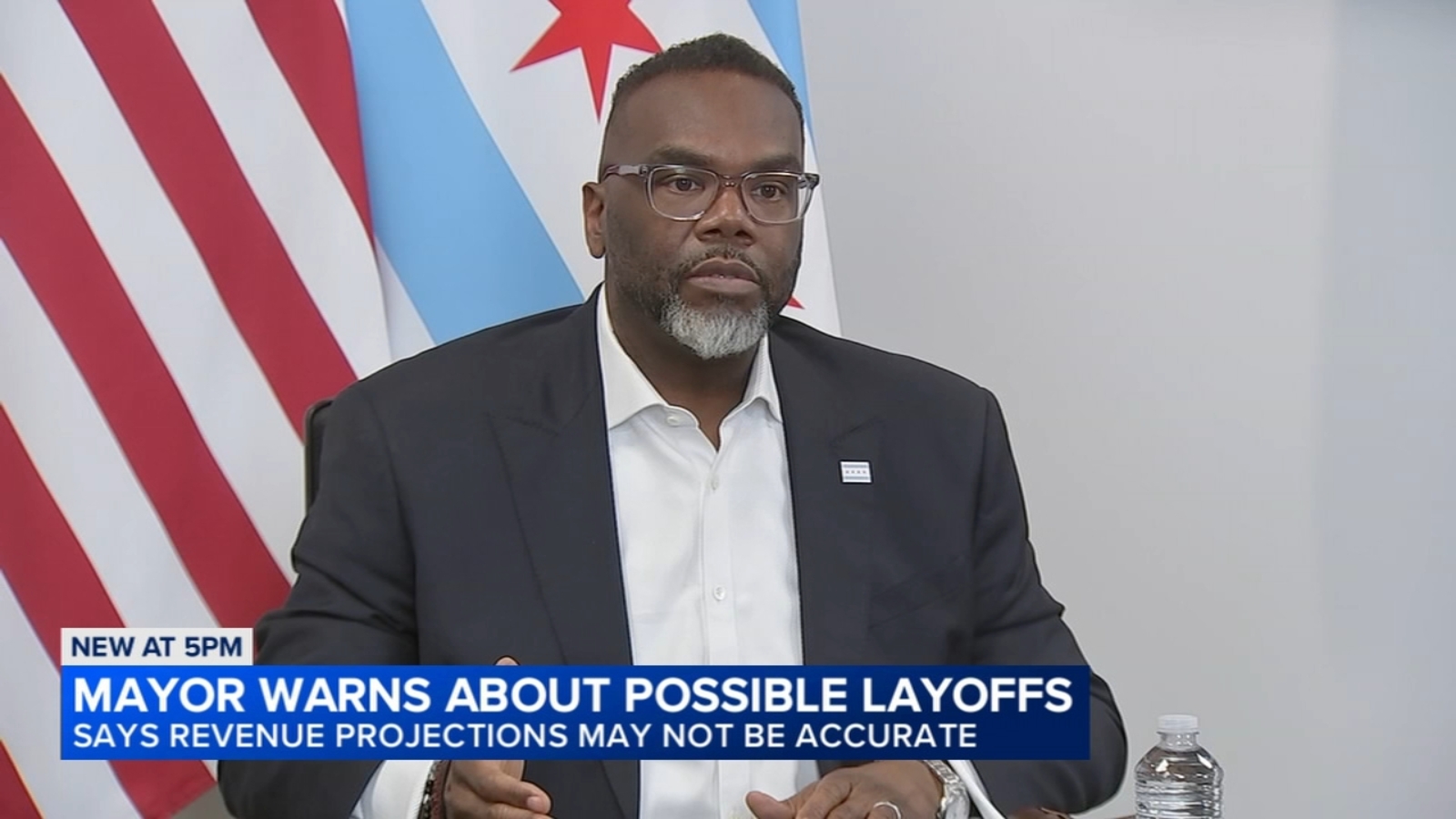
URGENT UPDATE: Chicago Mayor Brandon Johnson has just announced that potential layoffs of public employees could occur as early as mid-year due to a recently passed budget that he did not support. This alarming prediction comes as tensions rise between the Mayor and City Council members who championed the alternative budget.
During a press conference on Wednesday, Johnson expressed deep concerns over the budget’s revenue projections, particularly regarding video gaming. “I am bracing for what could be mid-year layoffs,” he stated, emphasizing that the budget did not include the corporate head tax he fought to implement. The Mayor’s apprehension is fueled by doubts that the alternative budget will generate the anticipated funds, which could jeopardize community safety and crucial public services.
Leaders of the alternative budget coalition, however, are pushing back against Johnson’s dire forecasts. 39th Ward Ald. Samantha Nugent defended their plan as balanced, noting that the administration now faces a potential $26 million deficit due to a lawsuit from sports betting companies challenging a new tax exceeding 10% on their revenue, which they argue is unconstitutional.
“The administration is having to deal with a lawsuit that might put a $26 million hole in the budget they presented,” Nugent declared, urging collaboration with the Mayor to explore revenue enhancements.
Despite the looming threat of layoffs, some City Council members, including 11th Ward Ald. Nicole Lee, downplayed the urgency of Johnson’s statements. “Is there a risk? Sure,” Lee acknowledged. “But I think it’s very premature. I wish we would focus on the things that we need to focus on, which is getting the year started off right.”
Johnson’s earlier warnings during the budget negotiations revolved around possible layoffs impacting public safety. Now, some alders suggest that his recent remarks may be causing unnecessary alarm among city workers. The Mayor responded, asserting his commitment to working closely with the City Council to mitigate potential harm from job cuts.
As the situation develops, all eyes are on the City’s financial health and the sustainability of its services. The budget’s impact on community safety and public employment could set the tone for the remainder of the year. Stakeholders are now questioning what actions the City Council will take to address these pressing financial challenges.
The next steps will be crucial as City Council members continue to defend their budgetary decisions while navigating the Mayor’s concerns over revenue shortfalls. The community is left wondering how these developments will shape the future of public employment in Chicago.