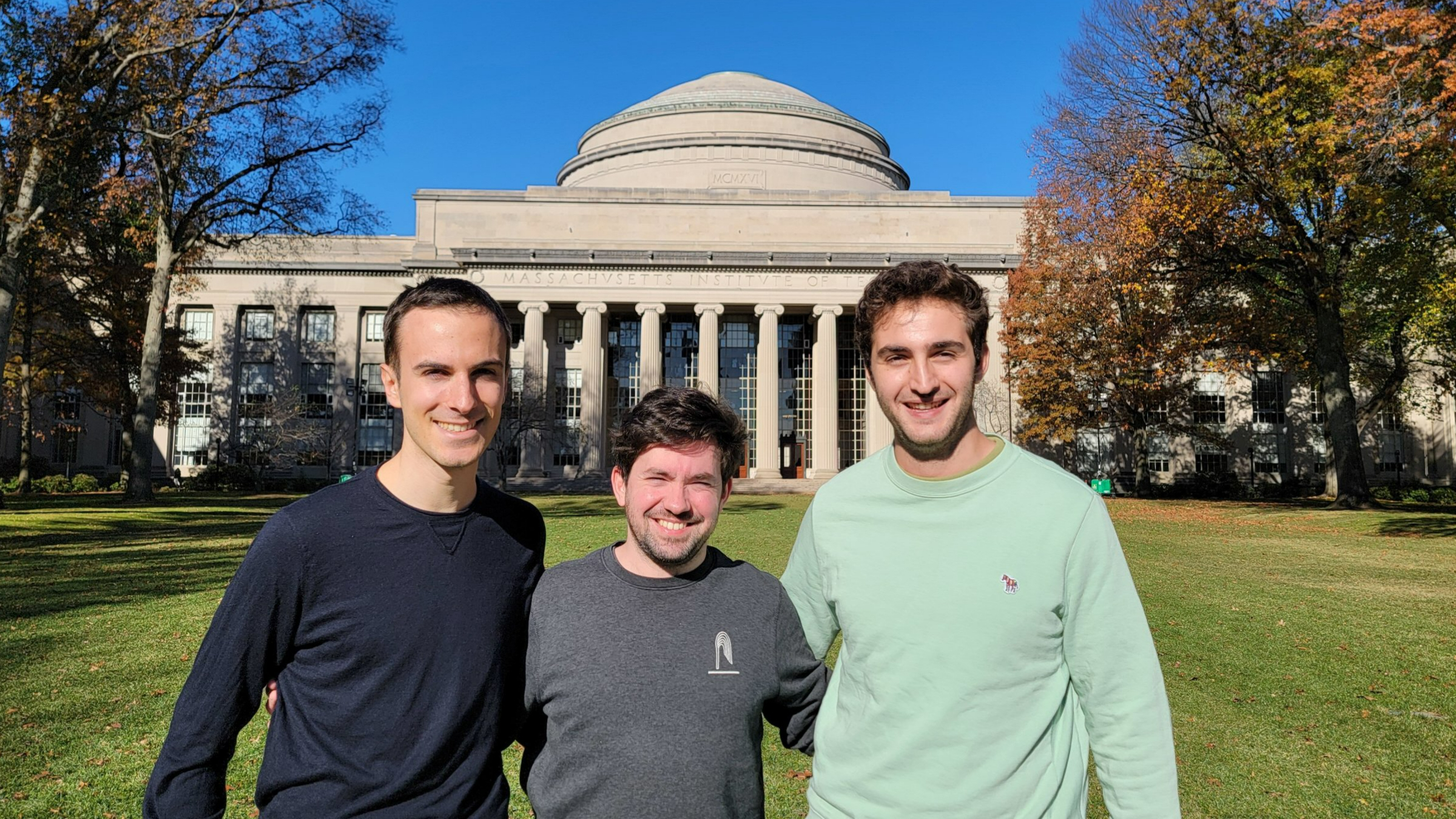
Boltz, an emerging player in the biotechnology sector, has successfully raised $28 million in seed funding to further its mission of developing open artificial intelligence models for biological applications. This investment marks a significant step in leveraging AI to enhance understanding of complex biological systems.
The funding round was led by prominent venture capital firms, with several strategic investors participating. Boltz aims to advance its capabilities in predicting biological structures, building upon the recent advancements made by tools like AlphaFold. In 2024, AlphaFold made headlines by predicting the structures of nearly all biomolecules, a breakthrough that has the potential to transform research in the life sciences.
Advancing Biological Research with AI
Boltz’s focus on creating open AI models reflects a growing trend within the scientific community to democratize access to advanced computational tools. By providing researchers with robust AI solutions, Boltz hopes to accelerate discoveries in fields ranging from drug development to environmental science.
The company plans to allocate the funds towards enhancing its technological infrastructure and expanding its team of experts. This includes hiring data scientists and biologists who can work collaboratively to refine AI algorithms tailored for biological research. The goal is to create models that not only predict molecular structures but also offer insights into their functions and interactions.
Boltz’s approach underscores the transformative potential of artificial intelligence in biology, a sector that is increasingly reliant on computational methods. As more researchers turn to AI for assistance in complex analyses, the demand for innovative solutions like those offered by Boltz is expected to grow.
Future Implications for Biotechnology
The significance of this funding extends beyond immediate technological advancements. By positioning itself at the intersection of AI and biology, Boltz is poised to contribute to important breakthroughs that could impact various aspects of health and medicine. The integration of AI in biological research holds promise for accelerating the pace of discovery and enhancing the efficiency of research processes.
The company’s commitment to open models is also noteworthy. In a field often characterized by proprietary technologies, Boltz’s decision to foster an open-access environment could facilitate collaboration among scientists and institutions worldwide. This openness may lead to faster advancements and a broader application of AI in solving some of the most pressing challenges in biology.
As Boltz embarks on this ambitious journey, the biotechnology community will be watching closely. The successful application of AI in biology could redefine how researchers approach the study of life sciences, ultimately leading to innovative solutions that benefit society at large.