Venezuela has released several high-profile opposition figures, activists, and journalists in a significant move described by the government as a gesture to “seek peace.” This decision comes shortly after former President Nicolás Maduro was captured by U.S. forces to face drug-trafficking charges. U.S. President Donald Trump claimed during a Fox News interview that the releases were made at the request of the United States, praising the Venezuelan government led by acting President Delcy Rodríguez for their cooperation.
The releases were announced on Thursday, with Jorge Rodríguez, head of Venezuela’s National Assembly and brother of the acting president, indicating that a “significant number” of detainees would be freed. As of late Thursday, the exact number and identities of those released were still unclear. The U.S. government and various opposition groups in Venezuela have long demanded the release of imprisoned politicians and critics. The Venezuelan government maintains that it does not hold prisoners for political reasons, framing this latest action as an effort toward dialogue.
Notable Releases and Family Reactions
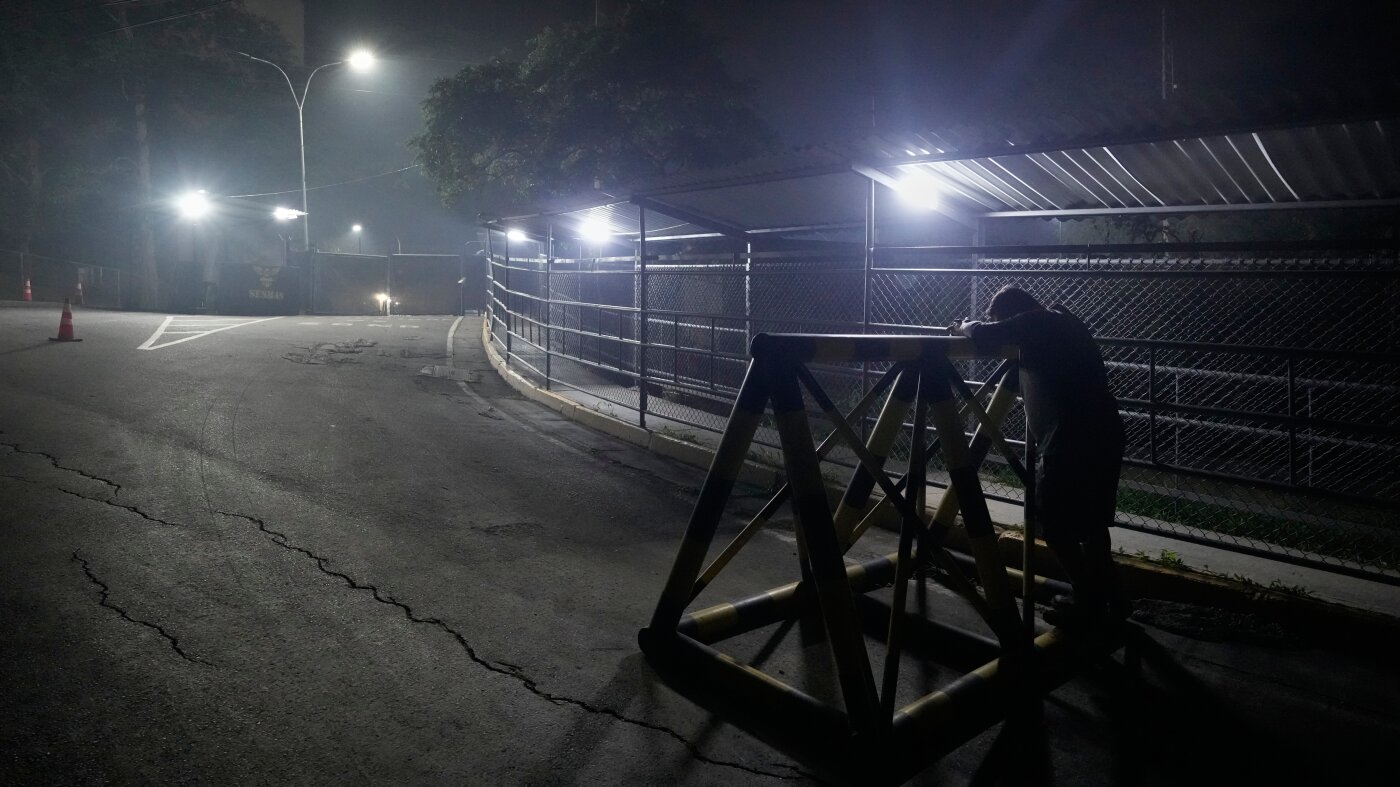
Among those who were released is Biagio Pilieri, an opposition leader involved in the presidential campaign of Nobel Peace Prize laureate María Corina Machado. Also freed was Enrique Márquez, a former electoral authority and presidential candidate for 2024. Videos shared on social media depict Márquez and Pilieri reuniting with family members outside the prison in Guatire, approximately an hour east of Caracas. In one video, Márquez joyfully video-called his family, expressing his eagerness to reunite with them.
The release extended to five Spanish nationals, including prominent Venezuelan-Spanish lawyer and human rights advocate Rocío San Miguel. The Spanish government confirmed their release, identifying them as Andrés Martínez, José María Basoa, Ernesto Gorbe, and Miguel Moreno. Both Martínez and Basoa were arrested in September 2024 and accused of being involved in destabilization efforts against the Maduro administration—claims that Spain has categorically denied.
Relatives of detainees gathered outside prisons nationwide, some chanting “Libertad! Libertad!” (Freedom! Freedom!). Pedro Durán, who traveled from Spain to see his brother Franklin, expressed his overwhelming emotion, stating, “We’re feeling a lot of hope … We’re just waiting now.” Despite the excitement surrounding the releases, a lingering fear about the government’s intentions remains.
Political Implications and Future Prospects
Political analysts suggest that the Venezuelan government strategically releases prisoners during high-stakes moments. Ronal Rodríguez, a researcher at the Venezuelan Observatory at the University of Rosario in Colombia, noted that past releases have often coincided with negotiations or political maneuvers. For example, in July 2024, the government released ten jailed U.S. citizens in exchange for the repatriation of Venezuelans deported to El Salvador.
The recent releases prompted mixed reactions among human rights advocates and opposition leaders. Alfredo Romero, president of Foro Penal, expressed cautious optimism that this could signify the beginning of a shift away from Venezuela’s repressive political climate. He noted that as of December 29, 2025, there were still 863 individuals detained for political reasons in the country.
Opposition leader Machado, who has been sidelined in U.S. diplomatic efforts following Trump’s endorsement of Rodríguez, described the releases as “an act of moral restitution.” She urged families of the released detainees to find solace in the belief that “injustice will not be eternal.”
The implications of these developments extend beyond Venezuela’s borders. The Trump administration’s recent actions, including seizing sanctioned tankers and plans to relax certain sanctions, indicate a desire to exert control over Venezuela’s vast oil resources while managing the changing political landscape. Trump mentioned that Machado might visit Washington soon, suggesting ongoing interest in supporting a transition in Venezuela’s leadership.
As the situation evolves, the international community will be closely monitoring the Venezuelan government’s next steps and the broader implications for human rights and governance in the region.