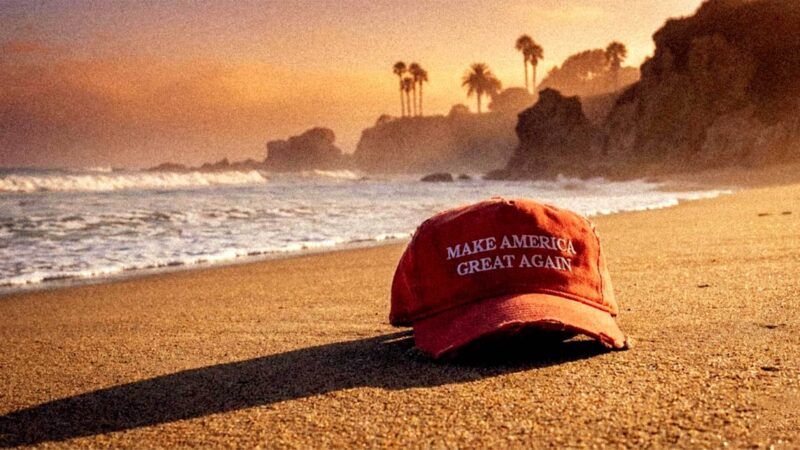
Huntington Beach, California, has become a focal point for national culture war politics, with its local government facing a series of legal defeats and mounting financial challenges. Once known for its coastal charm and laid-back lifestyle, the city has seen its reputation tarnished as it adopts increasingly partisan policies. The City Council’s decisions, driven by a MAGA (Make America Great Again) agenda, have resulted in costly lawsuits that could have otherwise been directed towards essential community needs.
Historically, Huntington Beach was a typical coastal city, where local governance revolved around practical concerns such as environmental protection and public safety. Former Republican council member and state senator Tom Harman remarked, “People didn’t run on party preference. They ran on what they could do in the community.” This sentiment characterized the city’s governance until a shift began under the leadership of former Mayor Tony Strickland. Strickland’s tenure marked a transition into an arena where culture wars became the primary focus of city politics.
The current council, often referred to as the “MAGA-nificent 7,” has actively positioned itself against California’s progressive policies. In a move emblematic of its new direction, the council banned pride flags and proposed a mural honoring conservative activist Charlie Kirk. The New York Times highlighted how the council even transformed a routine municipal task, such as commemorating the 50th anniversary of the city’s public library, into a political statement by labeling it “Magical Alluring Galvanizing Adventurous,” an acronym for MAGA.
Despite these political maneuvers, the council has faced significant legal setbacks. Recently, the California Supreme Court declined to review the city’s appeal of a ruling mandating the approval of 14,000 housing units. This decision left the city with a 120-day deadline to devise a housing plan, stripping it of the authority to enforce its zoning laws. The potential for fines and oversight by a court-appointed administrator looms large, further complicating the city’s governance.
Financially, Huntington Beach is grappling with budgetary constraints, exacerbated by the council’s preference for pursuing litigation over addressing pressing infrastructure issues. The council’s attempts to implement a Voter ID law were also struck down in court, which criticized its arguments based on city charter provisions in light of state election regulations. Additionally, a special election held in June 2024 saw 60 percent of voters rejecting the council’s proposal for a library review panel.
Council members, including Mayor Casey McKeon, have been vocal about their commitment to fighting state mandates. “We signed a contract with our voters that we’d fight the state,” McKeon stated, reflecting a determination that has not yielded favorable outcomes in court. The ongoing legal battles not only divert resources but also reinforce the perception that the council’s priorities may not align with the needs of its constituents.
As the council continues to double down on its controversial policies, it risks further alienating residents and diminishing its credibility. Critics argue that the council’s focus on ideological battles undermines its core responsibilities. The city’s mounting legal bills could have been better spent on infrastructure improvements, such as repairing roads or enhancing public services.
In an era where local governance increasingly intertwines with national politics, Huntington Beach serves as a cautionary tale. Frequent losses in court and at the ballot box reflect a disconnect between the council’s agenda and the community’s needs. As the city faces a growing list of challenges, the question remains whether the current leadership can pivot towards more pragmatic solutions or continue down a path of political contention.
Without significant changes, Huntington Beach may find itself permanently branded as the “City of Losers,” a title that highlights the stark contrast between its potential and the reality of its current political climate.