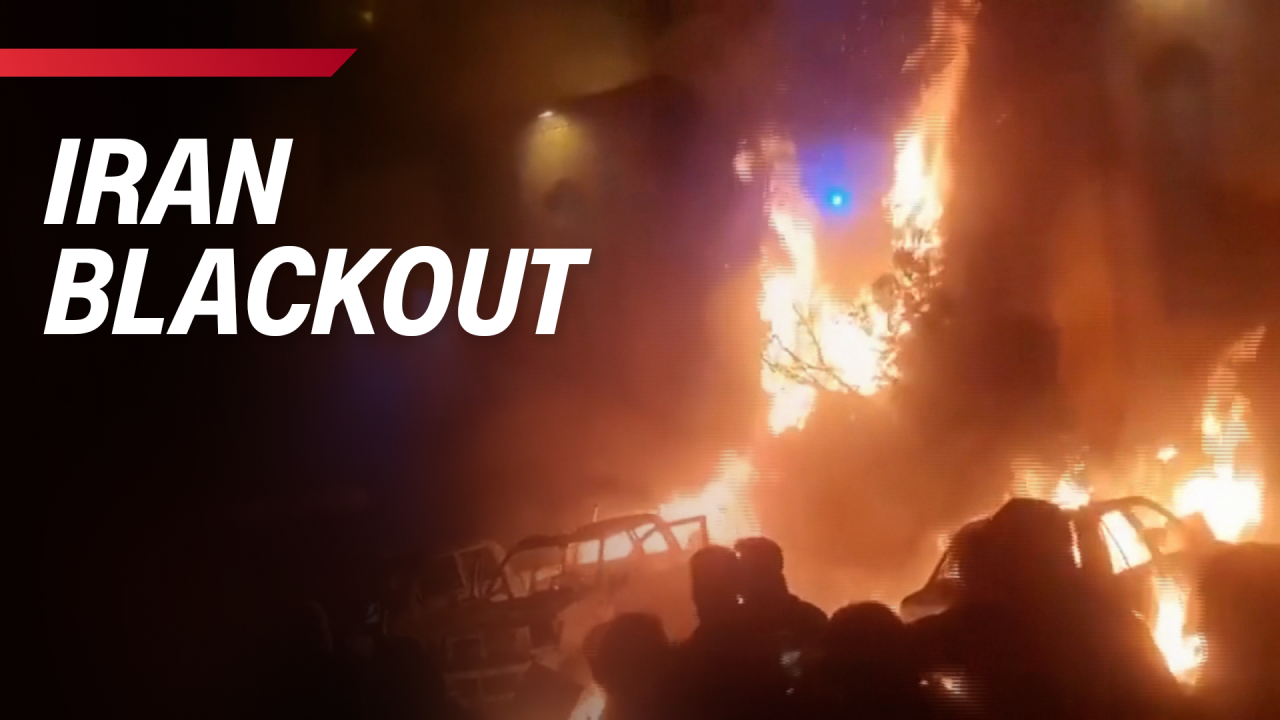
Protests in Iran show no signs of abating as the country enters the second day of a government-imposed internet blackout. This action comes in the wake of more than ten days of demonstrations against the ruling government, fueled by widespread frustration over economic issues and political repression.
Reza Pahlavi, the son of Iran’s last monarch, has called for a two-day nationwide strike, urging workers in key sectors, including transportation, oil, and gas, to participate starting from Saturday, December 30, 2023. In a video message posted on X, Pahlavi encouraged citizens to take to the streets with national symbols, asserting the importance of reclaiming public spaces. “The goal is to prepare to seize city centers and hold them,” he stated, claiming that recent protests effectively communicated discontent to the Iranian leadership.
The effectiveness of Pahlavi’s call to action remains uncertain given his exile and the complexity of current sentiments within Iran. He was just 16 years old when the Islamic Revolution in 1979 ended his father’s 40-year reign, and he has since lived abroad, raising questions about his influence in the country today.
Meanwhile, the internet blackout, which has reportedly lasted for over 36 hours, has severely impacted communication across Iran. According to the watchdog organization, NetBlocks, authorities initiated this blackout following significant protests in the capital, Tehran. The organization noted this disruption has left many Iranians unable to connect with friends and family, further complicating their ability to organize and communicate during this period of unrest.
As of 08:00 local time, NetBlocks reported on its Telegram channel that the blackout remains in effect. “Metrics show the nationwide internet blackout continues, severely limiting Iranians’ ability to check on the safety of friends and loved ones,” the organization stated.
The protests that have gripped Iran since December 28 were initially sparked by rising inflation and pervasive anger directed at the conservative ruling class and its security forces. Demonstrators have voiced their grievances over economic hardship, showcasing the growing discontent among the populace.
The ongoing unrest underscores the tension between the Iranian government and its citizens, with public dissatisfaction rising against a backdrop of political and economic turmoil. As the situation evolves, the world watches closely, aware that the outcome may influence both domestic and international perceptions of Iran’s leadership.