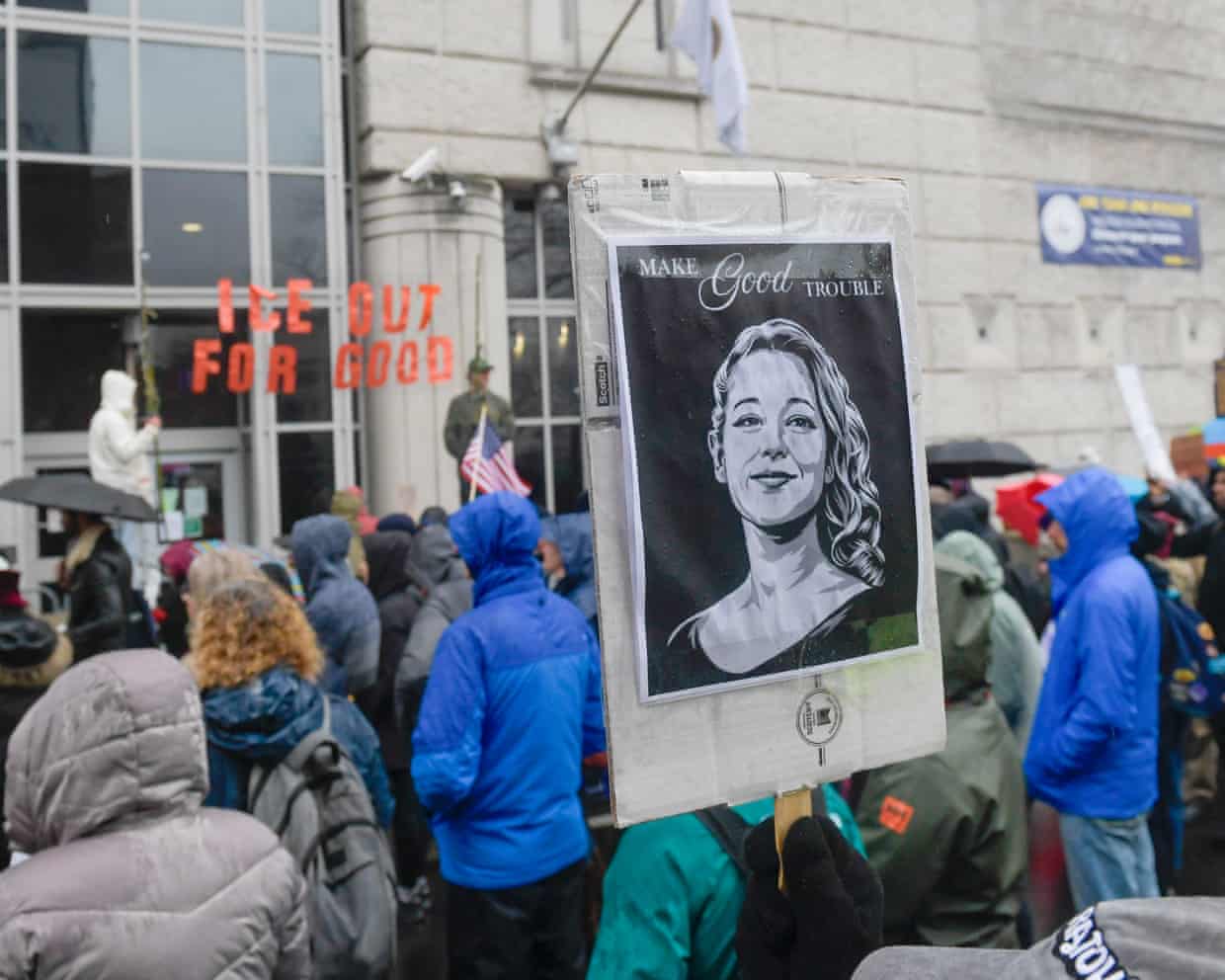
On a rainy Saturday in Philadelphia, protests erupted in response to the shooting death of Renee Nicole Good by U.S. Immigration and Customs Enforcement (ICE) agents. Two separate marches, each attracting several hundred participants, made their way from City Hall to the federal detention center. Although the morning protest featured a predominantly older white audience organized by the No Kings group, the afternoon gathering showcased a more racially diverse crowd, many wearing keffiyehs and N95 masks, organized by the local chapter of the Democratic Socialists of America (DSA). Both demonstrations shared a common goal: to demand an end to ICE operations in American communities and to oppose U.S. intervention in Venezuela.
Deborah Rose Hinchey, co-chair of the Philadelphia DSA, articulated the sentiments of many protesters, stating, “From Venezuela to Minneapolis, all we’re seeing is a regime that is scrambling, willing to kill its own citizens, willing to kill foreign citizens, to maintain its power.” The protests in Philadelphia were part of a larger wave of over a thousand demonstrations planned across the country following three ICE-related shootings, one of which was fatal. These events occurred in the wake of the Trump administration’s controversial actions regarding Venezuelan President Nicolás Maduro.
The calls for action were amplified by national organizations, including Indivisible and the American Civil Liberties Union, which initiated the “ICE Out for Good” weekend of protests. Hinchey emphasized the urgency of the situation, highlighting a national day of action against what she termed Trump’s “illegal war” in Venezuela. During the afternoon protest, Rick Krajewski, a Pennsylvania representative, condemned the violence, stating, “They’re murdering legal observers. They’re being blatant about the reality that they’re invading countries for oil. This is not a fringe radical thing. This is murder and illegal war crimes.”
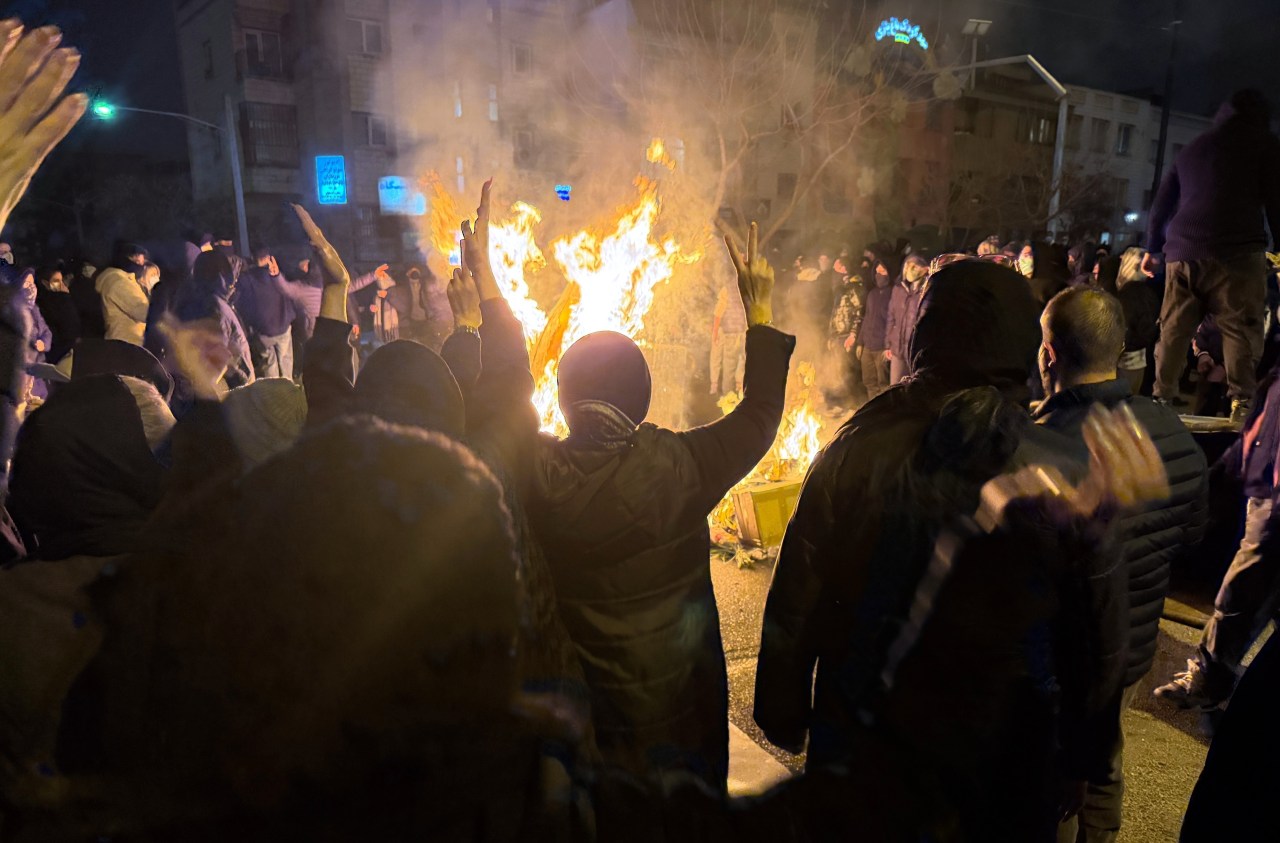
Protests extended beyond Philadelphia, with significant gatherings reported in cities such as Boston, San Francisco, and Portland, Oregon. In Minneapolis, thousands chanted “Fuck ICE, ICE out!” while calling out Renee Nicole Good’s name. On the same day, U.S. Representatives Ilhan Omar, Kelly Morrison, and Angie Craig attempted to access an ICE facility, only to be denied entry, raising concerns about the agency’s transparency.
The protests have heightened tensions between demonstrators and law enforcement, particularly in Minnesota. Reports indicate that vehicles believed to belong to ICE agents drove into a crowd of protesters in Hartford, Connecticut, resulting in three arrests. Additionally, in Portland, six protesters were taken into custody during another demonstration against ICE. Local officials in Minnesota reported that thirty protesters were arrested on charges of “property damage” during events on Friday night.
City and state leaders, including Minneapolis Mayor Jacob Frey and Governor Tim Walz, expressed their support for law enforcement amidst escalating protests. The local police union issued a statement backing ICE, contrasting sharply with the sentiments expressed by some Democratic leaders who have criticized the agency’s actions.
Participants shared personal stories of why they felt compelled to protest. Anna, a history teacher, mentioned how her students, predominantly Black, have expressed fears about the violence perpetrated by law enforcement. “Most of my students are Black, and they’ve already experienced violence from the system and from police, and they see this and realize there’s just another force out there,” she said.
Ellen, a long-time activist, reflected on her experiences protesting ICE over the past fifteen years, noting, “It’s been years and years since they have been committing outrageous acts against our friends and neighbors. Now they’re murdering Americans along with harassing and detaining innocent immigrants.”
Mary and Cara, two attendees of the Philadelphia protest, expressed their horror at the current state of immigration enforcement. Mary cited her Jewish heritage and her study of the Holocaust, stating, “The more crazy things happen, we just get more and more numb to it. I think it’s really easy to become complacent.” Cara echoed similar sentiments, highlighting the disparity in funding for immigration enforcement versus essential services for citizens.
Francesca, a member of the DSA’s national political committee, pointed to broader systemic issues, saying, “Things are piling up. The genocide in Gaza and then the aggression against Venezuela, the illegal kidnapping of Maduro, and now this violence and really state executions carried out by ICE – I mean, there’s only so much people can take of this.” She underscored the struggle many face in meeting basic needs, stating, “They can’t make it to the end of the month – but there is always money for war.”
Organizers believe that the growing frustration among the public will continue to fuel protests. Hinchey concluded, “I think that the more the American public sees exactly what this totalitarian dictatorship and regime is doing, the more we’re going to see days like today, with thousands and thousands of people in the street, in pouring rain.”