The Smithsonian Institution’s National Portrait Gallery has unveiled a new photographic portrait of former President Donald Trump, marking a significant update to its “America’s Presidents” exhibit. This change, reported by The Washington Post, comes alongside the removal of text that previously referenced Trump’s two impeachments and the events of January 6, 2021, when a mob stormed the U.S. Capitol.
The updated portrait is part of a broader effort by the National Portrait Gallery to maintain an evolving narrative of American leadership. The gallery has made adjustments to the exhibit to reflect the current political landscape. While the new portrait features Trump prominently, the decision to eliminate specific historical context has sparked discussions regarding the portrayal of contentious figures in American history.
Following the release of the new portrait, the White House shared images of the exhibit across its social media accounts, emphasizing the significance of the update. The gallery’s choice to remove certain text has raised questions about how history should be documented and remembered, especially in relation to politically charged events.
Critics argue that omitting references to Trump’s impeachments and the Capitol attack may whitewash critical moments in recent American history. The decision highlights the delicate balance museums navigate between presenting factual history and maintaining public engagement.
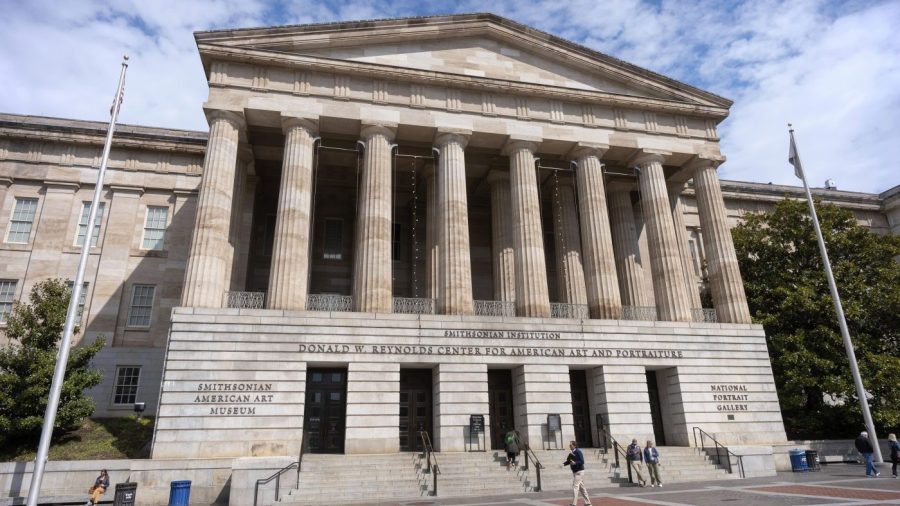
The National Portrait Gallery, located in Washington, D.C., plays a pivotal role in preserving the legacy of U.S. presidents. Each portrait serves not only as a representation of the individual but also as a reflection of the era they governed. The removal of specific text from Trump’s presentation may lead to broader discussions about how political legacies are shaped and remembered.
As the public engages with the updated exhibit, reactions are likely to vary. Some may view the changes as an attempt to sanitize the past, while others may see it as a necessary evolution in the presentation of American political history. The Smithsonian’s actions will undoubtedly continue to provoke debate among historians, visitors, and political commentators in the coming days.
In an era where historical narratives are increasingly scrutinized, the National Portrait Gallery’s adjustments to President Trump’s representation exemplify the complexities involved in commemorating modern political figures. This situation underscores the ongoing dialogue about history, memory, and the role of institutions in shaping public understanding.