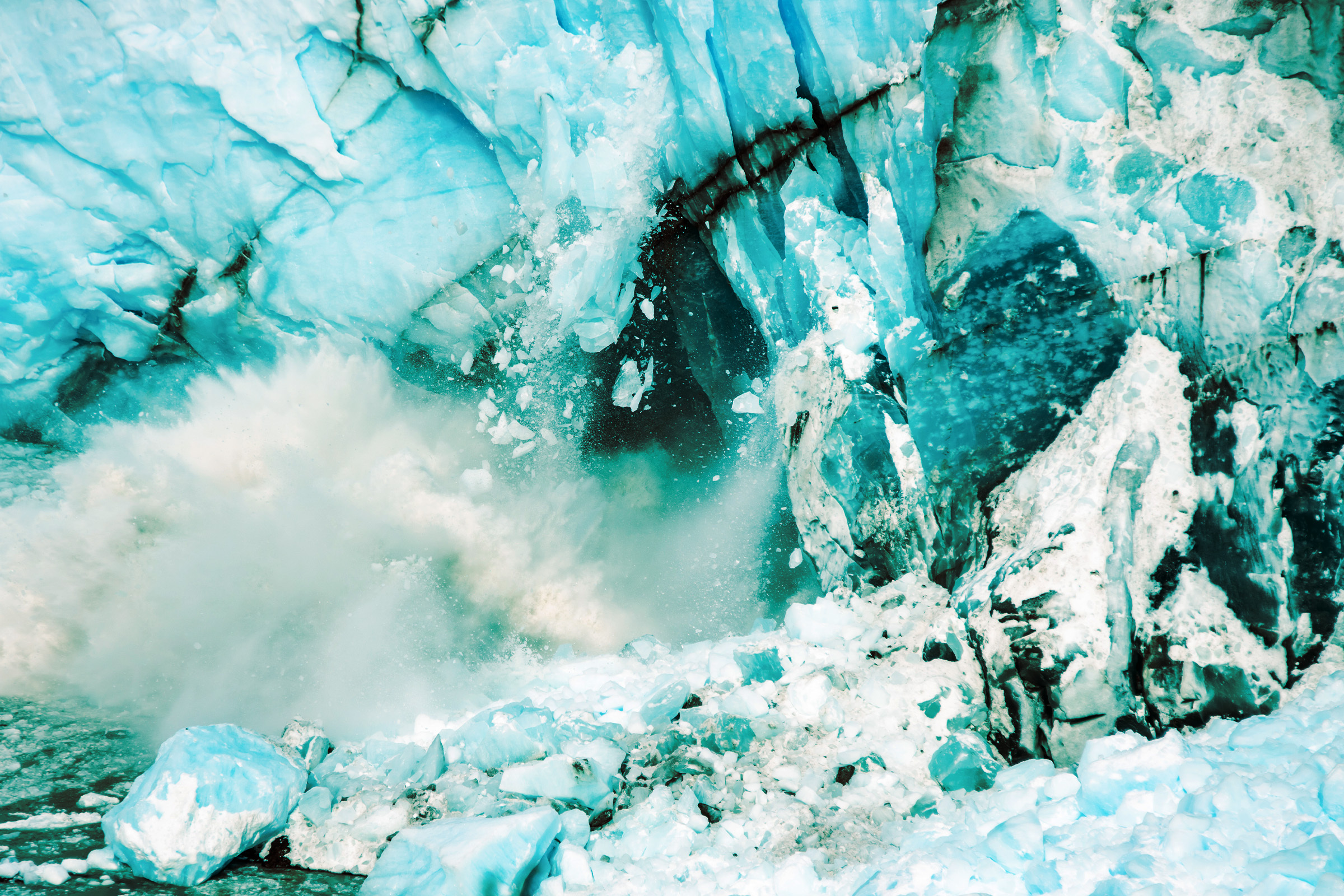
Recent research reveals that Antarctica’s Thwaites Glacier, often referred to as the Doomsday Glacier, has experienced a surge of seismic activity. Between 2010 and 2023, a total of 362 earthquakes were detected in the region. This alarming trend raises concerns about the glacier’s stability and the potential consequences for coastal communities worldwide, which could face flooding of between two and ten feet if the glacier disintegrates.
The findings, published in the journal Geophysical Research Letters, indicate that the Thwaites Glacier is more vulnerable than previously thought. The glacier, nearly the size of Great Britain, serves as a critical barrier preventing the ice of the West Antarctic ice sheet from sliding into the ocean. Researchers emphasize that the ongoing effects of climate change have not been adequately addressed, intensifying the urgency of monitoring this vital region.
In the study, seismologist Thanh-Son Phạm from the Australian National University advocates for the establishment of a dedicated seismic network on the Antarctic continent. This network would monitor glacial dynamics, which Phạm suggests may change rapidly in the coming years. He notes that understanding these dynamics is essential for predicting the glacier’s future and mitigating the risks associated with its potential collapse.
Seismic events in this region are typically of lower magnitude but can significantly impact glacier stability. The earthquakes detected were primarily concentrated in the West Antarctic region, which includes not only Thwaites Glacier but also the Pine Island Glacier, another ice mass that has been shrinking due to climate change. Phạm’s research highlights that out of the 362 earthquakes recorded, 245 originated from Thwaites Glacier, likely linked to the calving of icebergs into the ocean.
Scientists express deep concern regarding the implications of a potential Thwaites Glacier collapse. Its disintegration could lead to massive amounts of water being released into the ocean, significantly raising sea levels and affecting coastal populations globally.
As the scientific community continues to monitor these developments, the need for comprehensive data on Antarctic earthquakes becomes increasingly clear. Phạm’s innovative algorithm, designed to analyze seismic wave patterns from Antarctic monitors, represents a crucial step toward understanding the glacier’s behavior and the broader implications for global sea levels.
Continued research and monitoring are vital in addressing these challenges and informing global responses to climate change. The situation underscores the pressing need for governments worldwide to intensify their efforts in combating global warming and protecting fragile ecosystems like the Thwaites Glacier.