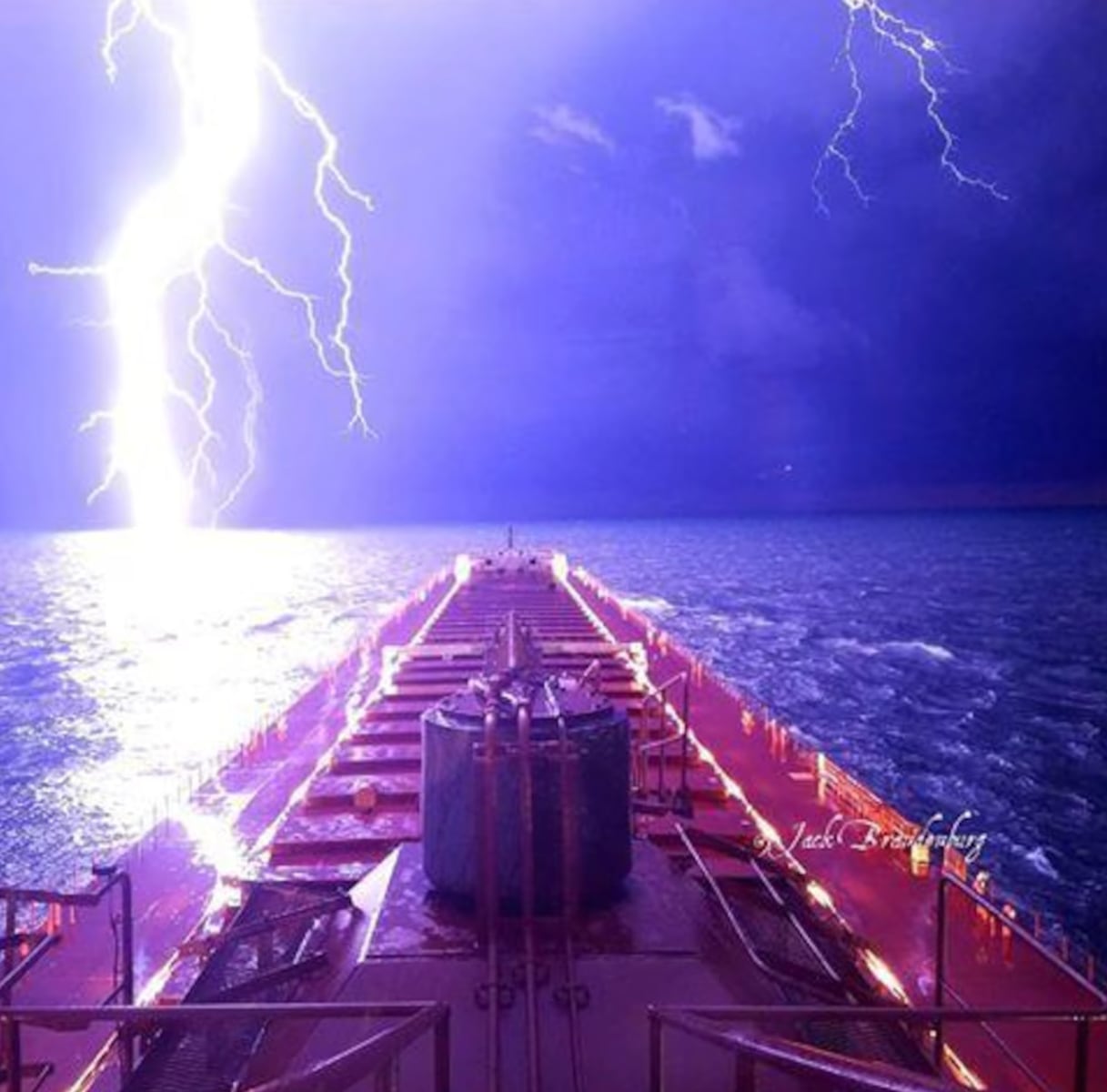
UPDATE: Michigan has experienced an unprecedented surge in lightning activity, with over 100,000 lightning strikes recorded across the state in 2025. New data from the National Lightning Detection Network (NLDN) reveals that some counties have reported significantly higher lightning events than average.
The most affected areas include Shiawassee, Genesee, Lapeer, St. Clair, and Saginaw Counties, where residents witnessed a staggering 32 to 64 flashes of lightning in every half-mile square. This alarming increase in lightning activity poses potential risks to safety and property, making it crucial for residents to stay vigilant.
According to NLDN, a subsidiary of Vaisala Xweather, the detection sensors across the U.S. have been accurately capturing these lightning events, which include both cloud-to-ground strikes and intra-cloud flashes. The active thunderstorms primarily impacted the Flint, Lapeer, and Saginaw areas, contributing to the dramatic statistics reported for this year.
Interestingly, Ogemaw County, typically not known for frequent lightning, has emerged as a surprising hotspot. The county, which includes West Branch, reported a significant uptick in lightning flashes, highlighting the unusual weather patterns affecting the region.
While counties like Lapeer, Ogemaw, Cheboygan, Presque Isle, and Leelanau experienced double the normal lightning strikes in 2025, cities such as Grand Rapids, Ann Arbor, and Detroit saw a decline in activity, as reflected in the blue-shaded maps released by NLDN.
The data underscores the importance of understanding lightning patterns, especially as extreme weather events become more frequent. Residents are urged to take precautions during thunderstorms, given the potential dangers associated with cloud-to-ground strikes, which are known for causing damage and injury.
As this story develops, experts will continue to monitor lightning activity across Michigan. Stay tuned for updates and safety tips as we navigate this heightened lightning season. With storms expected to continue, ensuring safety during inclement weather is paramount.
For ongoing updates, follow the National Lightning Detection Network and local meteorological services for the latest information on lightning activity in your area.