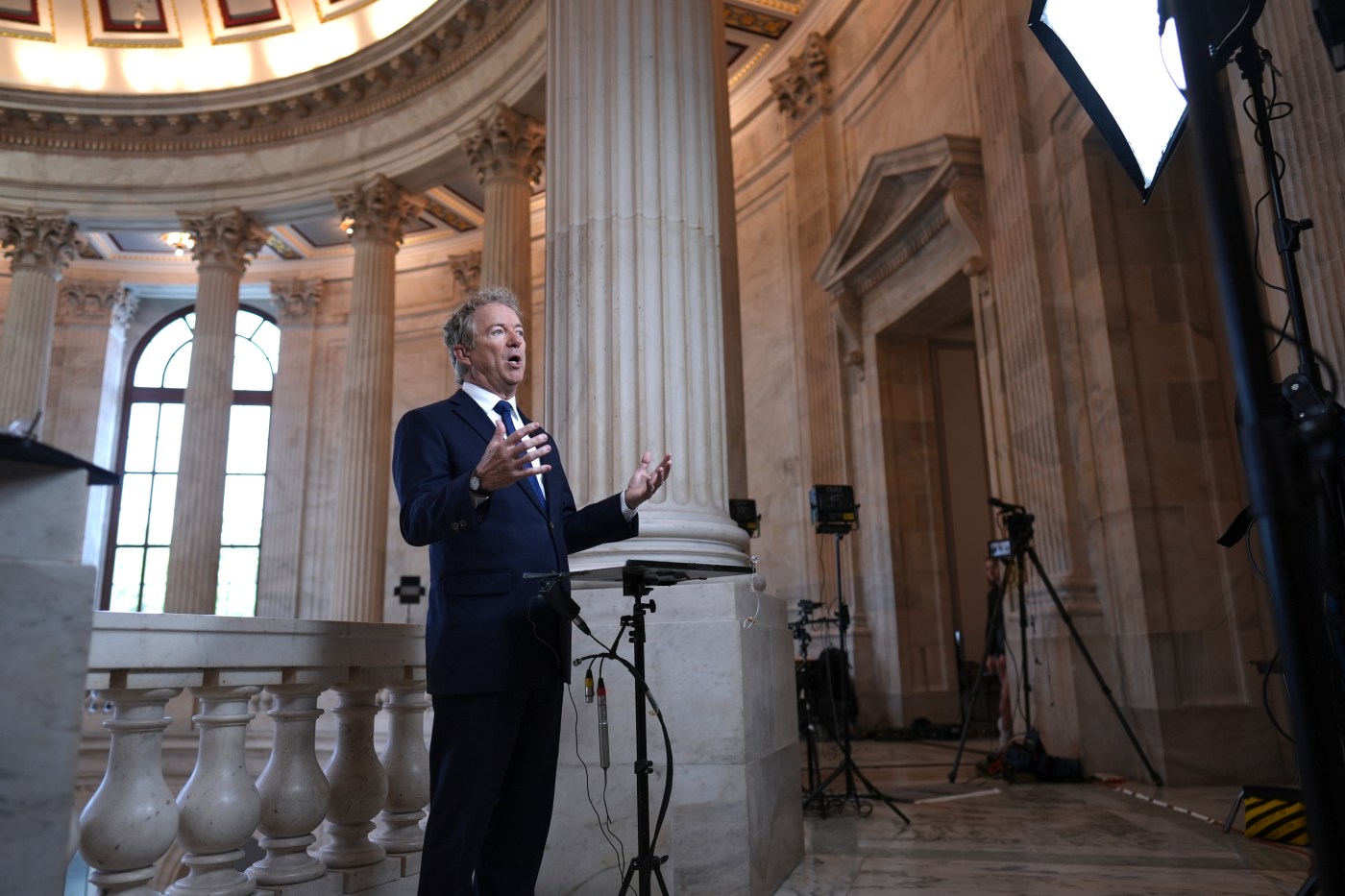
As the Affordable Care Act subsidies are set to expire this month, the healthcare landscape in the United States faces increasing turmoil. The Senate’s failure to advance a new Republican healthcare bill highlights a troubling lack of solutions to address soaring premiums. With fewer coverage options and escalating costs, many Americans are grappling with a healthcare crisis that threatens their access to necessary services.
According to a recent report from the Kaiser Family Foundation, healthcare expenses continue to challenge the financial stability of many families. The report reveals that 50% of U.S. adults struggle to afford healthcare, while 25% have faced difficulties in paying healthcare costs over the past year. Among uninsured individuals under 65, that number rises dramatically, with 82% reporting similar financial hurdles. Even insured individuals are not exempt from concern, with 40% worrying about their monthly health insurance premiums and 62% anxious about meeting their deductibles.
Senator Rand Paul from Kentucky has proposed the Health Marketplace and Savings Accounts for All Act, aiming to empower consumers in a strained healthcare system. This legislation seeks to enhance choice and competition while reducing the government’s role in healthcare. By expanding Association Health Plans (AHPs), the proposal would allow individuals to band together as members of associations, facilitating group purchasing power. This shift could lead to lower costs and more personalized insurance options, moving away from the traditional employer-tied model that limits choices.
Proposed Changes to Health Savings Accounts
The legislation also proposes significant changes to Health Savings Accounts (HSAs). Currently, individuals can contribute up to $4,400 and families up to $8,750 in pre-tax funds for healthcare expenses under high-deductible health plans. Under Paul’s plan, these limits would rise to $24,500 for individual contributions by 2026, and the accounts would be accessible to all Americans, regardless of income or insurance type.
Furthermore, the proposal aims to broaden the scope of HSAs to include expenses for gym memberships, wearable fitness devices, and dietary supplements. By doing so, it encourages investments in preventive healthcare and healthier lifestyles. This flexibility could provide much-needed financial relief for families grappling with increasing health-related costs.
The current healthcare model, heavily influenced by the Employee Retirement Income Security Act of 1974, restricts Americans from negotiating for better insurance pricing. Paul argues that rolling back these outdated regulations would be a monumental reform, potentially lowering costs for millions and offering a more competitive marketplace.
Imagine if memberships in organizations such as warehouses or fitness clubs could unlock affordable health insurance options in a market unrestrained by employer control. The potential for innovation and consumer empowerment is vast, allowing individuals to select plans that align with their specific needs and preferences.
The urgency for reform has never been clearer, especially as premiums rise and ACA subsidies approach expiration. The Health Marketplace and Savings Accounts for All Act presents a proactive measure to address these challenges, fostering a healthcare environment that prioritizes consumer choice and affordability.
As discussions continue in Washington, the need for a comprehensive solution remains critical. Americans deserve a healthcare system that not only provides access but also ensures affordability, empowering individuals rather than relying on governmental interventions. The proposed legislation by Senator Rand Paul could represent a significant step towards achieving that goal.