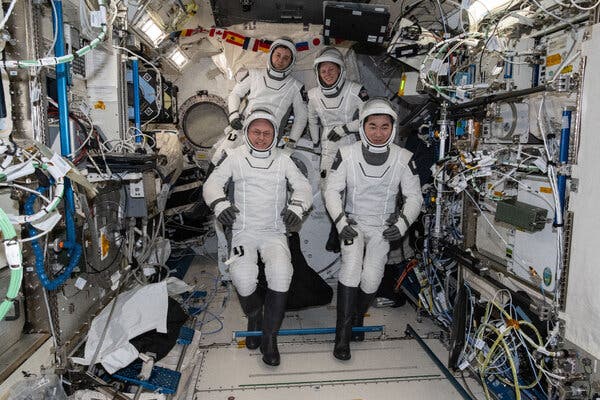
The safe return of astronauts from space missions has come under scrutiny following a recent incident involving a sick crew member. A SpaceX capsule, which landed in the Pacific Ocean off the coast of Southern California in August 2023, raised questions about the protocols in place for transporting ill astronauts back to Earth.
The capsule, part of SpaceX’s Crew Dragon fleet, was returning from the International Space Station (ISS) when one of the astronauts developed a medical condition. While the specific details of the illness have not been disclosed, experts emphasize the importance of having robust medical protocols for such emergencies.
Medical Protocols Under Review
According to Dr. Mark V. Kelly, a prominent figure in aerospace medicine, the decision to fly a sick astronaut back home involves weighing multiple factors, including the severity of the condition and the potential risks during re-entry. Dr. Kelly noted, “The health of the astronaut must be prioritized while ensuring the safety of the crew and the spacecraft.”
The European Space Agency (ESA) has also expressed concerns, stating that thorough medical evaluations are essential before any astronaut is cleared for return. These assessments are crucial not only for the individual’s health but also for the operational integrity of the mission.
The incident has prompted discussions about the need for enhanced medical teams aboard the ISS and improved telemedicine capabilities. With astronauts spending extended periods in space, the likelihood of medical issues arising increases significantly.
Potential Risks During Re-entry
Transporting a sick astronaut presents unique challenges, particularly during the re-entry phase. The journey back to Earth is fraught with risks, including high G-forces and rapid temperature changes. These conditions can exacerbate existing health issues, making careful planning essential.
Space agencies are now considering various strategies, such as sending specialized medical personnel along on missions or developing advanced monitoring systems to track astronauts’ health continuously. The goal is to ensure that any potential medical emergencies can be handled swiftly and effectively.
Moreover, as space exploration continues to expand, the implications of returning sick astronauts are becoming more significant. As missions grow longer and more complex, ensuring the well-being of crew members remains a top priority.
While the recent incident has highlighted the risks associated with flying sick astronauts home, it has also spurred valuable conversations about improving health and safety protocols in space travel. The lessons learned from this situation could pave the way for safer missions in the future.
As space agencies like NASA and SpaceX continue to push the boundaries of human exploration, ensuring the health of astronauts will be crucial in maintaining both operational success and the safety of those venturing beyond our planet.