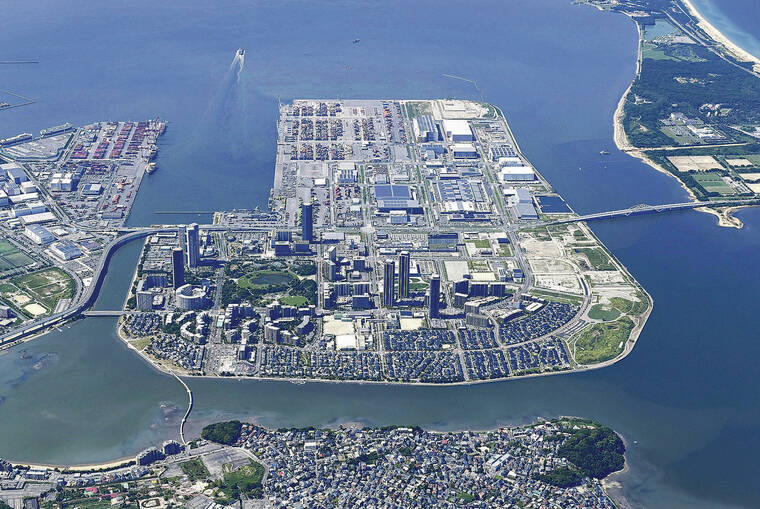
Fukuoka Island City, an artificial island off the coast of Higashi ward in Fukuoka, Japan, celebrated its 20th anniversary in October. Initially labeled an “unsellable artificial island,” the area has evolved into a vibrant community, now housing over 16,000 residents. This transformation stands as a testament to Fukuoka’s ongoing growth and development.
The island was created through a municipal reclamation project, utilizing sediment excavated from the seabed of Hakata Bay. Construction began in 1994, and by December 2005, the first residents moved in. In the early days, daily necessities required a drive to the mainland, as there were no supermarkets or convenience stores on the island.
Community Growth and Infrastructure Development
A turning point came with the opening of an elementary school in 2007, followed by a junior high school in the subsequent year. The introduction of the Fukuoka Children’s Hospital in 2014 further enhanced the community’s appeal, leading to increased bus routes and the development of high-rise buildings. Businesses began to flourish, supported by city government subsidies, transforming the once-isolated island into a thriving urban area.
The seaside town has attracted international attention, with properties offering scenic views becoming highly sought after. Real estate professionals report that nearly 40% of the condos are occupied by foreign residents. The establishment of an international school for young children has also contributed to the island’s diverse community, solidifying its status as a desirable location.
Mayor Soichiro Takashima, who dedicated 15 years to the project, expressed his pride at the island’s evolution during a news conference. “It’s deeply moving to think that children are being born and growing up here. It has become a green and wonderful town, exceeding what we imagined back then,” he stated, highlighting the community’s growth and the vision that has come to fruition.
As Fukuoka Island City moves into the next phase of its development, it continues to serve as a symbol of innovation and resilience, showcasing the potential of reclaimed land to foster community and growth.