The United States is experiencing a significant resurgence of measles, with the US Centers for Disease Control and Prevention (CDC) reporting at least 171 confirmed cases in the first two weeks of 2026. This alarming trend follows the record number of cases in 2025, raising concerns about the virus’s rapid spread across various states.
South Carolina and the Utah-Arizona state line are currently facing the most severe outbreaks. Many new cases are being reported in areas that have seen widespread transmission, putting the broader public at risk, even in regions not immediately affected. Dr. Linda Bell, the state epidemiologist for South Carolina, indicated that tracking every exposure is becoming increasingly difficult due to the extent of these outbreaks.
In the past week alone, dozens of public exposure locations have been identified across South Carolina, including schools, churches, restaurants, and healthcare facilities. Dr. Bell noted that the health department often does not publicize all exposure sites unless specific details about the date and time are available.
The situation is further complicated by individuals unknowingly spreading the virus while in the community. For instance, a North Carolina family was recently exposed during a visit to Spartanburg County, South Carolina. Additionally, health officials in New Mexico have issued warnings about potential measles exposure at a hotel in Albuquerque, linked to a traveler from South Carolina.
The CDC reported that four major international airports in the United States recorded measles cases or potential exposures amid the busy holiday season last month. An infectious individual also traveled through major cities in the Northeast on an Amtrak train last week.
Dr. Jesse Hackell, a retired pediatrician and member of the American Academy of Pediatrics, emphasized that falling vaccination rates contribute to the increased risk of exposure. He stated, “Vaccinating almost completely eliminates the risk of an exposure leading to disease.”
To help individuals navigate potential exposures, experts recommend several key actions.
Check Your Vaccination Status
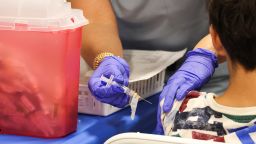
Measles is one of the most contagious diseases, but the measles-mumps-rubella (MMR) vaccine is highly effective. One dose provides 93% protection against measles, while the second dose boosts that to 97%. It is generally advised that children receive their first dose between 12 months and 15 months, followed by a second dose between ages 4 and 6. In outbreak situations, the first dose can be administered as early as 6 months.
For vaccinated individuals, exposure typically poses minimal risk. Dr. Raynard Washington, the director of the public health department in Mecklenburg County, North Carolina, explained, “If you have immunity to measles, you will most likely just be directed to watch for symptoms as a precaution.”
For those who are unvaccinated and exposed, prompt action is critical. The MMR vaccine, when given within 72 hours of exposure, can offer some protection or result in a milder illness, often before symptoms manifest.
Contact Your Healthcare Provider
Individuals who suspect they have been exposed to measles should reach out to their healthcare provider immediately. Public health experts advise against visiting clinics or emergency rooms without prior notification to prevent further transmission. Dr. Bell emphasized the importance of notifying healthcare providers before arrival and suggested wearing a mask to protect others in healthcare settings.
Dr. Stuart Simko, a pediatrician with Prisma Health in upstate South Carolina, noted that implementing protocols reminiscent of early COVID-19 measures—such as telehealth consultations and masking—has been effective in preventing the spread of measles. He expressed gratitude for the swift response of his team and the state health department in managing potential exposures.
Monitoring for symptoms is also crucial. Early signs of a measles infection may resemble other respiratory illnesses, starting with fever, cough, and runny nose. The characteristic rash typically appears a few days later, beginning in the mouth and spreading down the body. Conjunctivitis, or pink eye, can also be an early indicator of measles.
Dr. Hackell emphasized the importance of vigilance, stating, “Most kids do OK with measles, but a few don’t, and there’s no real good way at the beginning to predict which child is going to be that way.” Severe complications can arise, including pneumonia and encephalitis, necessitating hospitalization.
Stay Informed and Prevent Further Spread
Awareness of local vaccination rates is essential for parents. An exposure in a school with high vaccination rates is less likely to lead to an outbreak compared to a school with lower rates. This knowledge can help families make informed decisions and communicate effectively with healthcare providers.
Dr. Hackell remarked on the unpredictability of public exposures, such as those at airports and trains. He stressed the importance of local health departments and the CDC in monitoring outbreaks and promptly notifying the public of any exposure risks.
The public health department in Mecklenburg County recently detected measles in wastewater, indicating the presence of an infection in the area, despite no reported cases. This surveillance allows health officials to announce vaccination availability promptly.
Lastly, unvaccinated individuals who have been exposed to measles must remain at home for 21 days to prevent further spread. This quarantine period is crucial, as a person with measles can be infectious before exhibiting symptoms. Currently, over 400 individuals in South Carolina are in quarantine due to known exposures.
Dr. Hackell reiterated that vaccination remains the most effective means for parents to ensure safety in the event of an exposure, stating, “Vaccination is the best way for parents to have some confidence, even in the event of an exposure.”