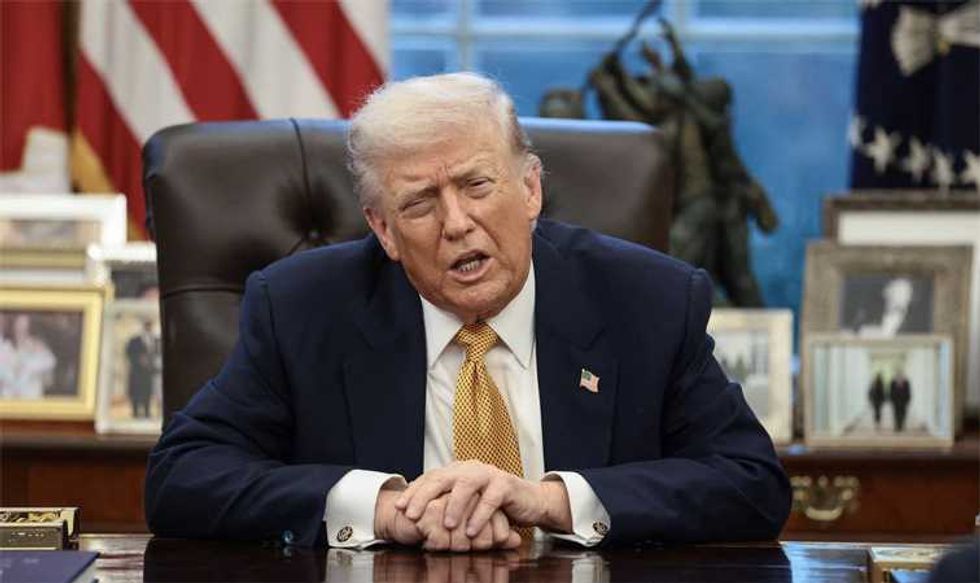
Critical remarks made by Senator Lindsey Graham during secret grand jury testimony indicate a significant concern among Republican lawmakers regarding former President Donald Trump. Reports suggest that Graham characterized Trump’s beliefs about the 2020 presidential election as “unnerving,” reflecting a broader sentiment within the GOP that Trump may be out of touch with reality.
During a segment on MS NOW, former Senator Claire McCaskill addressed a New York Times report detailing Graham’s statements. The report noted that Graham had advised Trump multiple times that the election was not stolen, saying, “I have told him more times than we can count that he fell short.” Graham’s comments included the assertion that if Trump were told that “Martians came and stole votes, he’d be inclined to believe it.”
This candid assessment raises questions about the loyalty and support Trump receives from prominent members of his party. As McCaskill elaborated, “This is exactly how Republican senators talk about you when you’re not around.” Her remarks highlight a disconnect between Trump’s perception of the election and the views of many GOP lawmakers who recognize the legitimacy of the electoral process.
Many Republican senators reportedly share a belief that Trump’s narrative about the election is unfounded. McCaskill pointed out that numerous senators were elected during the same election, suggesting that if the election had indeed been compromised, their positions would also be at risk. “If it was such a bad election, those folks are in trouble too,” she stated.
The conversation also touched on the implications of Trump’s actions in relation to the events of January 6, 2021. McCaskill expressed concern about Trump’s influence, emphasizing that the revelations from Graham’s testimony reflect a deeper embarrassment among Republicans regarding Trump’s behavior and statements. “They think he’s going too far, they don’t think he’s grounded,” she remarked.
This situation underscores the ongoing tension within the Republican Party as it navigates its relationship with Trump, who remains a significant figure among his supporters but increasingly scrutinized by party members seeking to distance themselves from his more extreme claims. As the political landscape evolves, the implications of Graham’s testimony could resonate throughout the GOP as they approach future elections.
The dialogue surrounding Trump and the party’s view of him illustrates the complex dynamics at play within the Republican Party, as lawmakers balance party loyalty with the need to address what they perceive as a disconnect from reality.