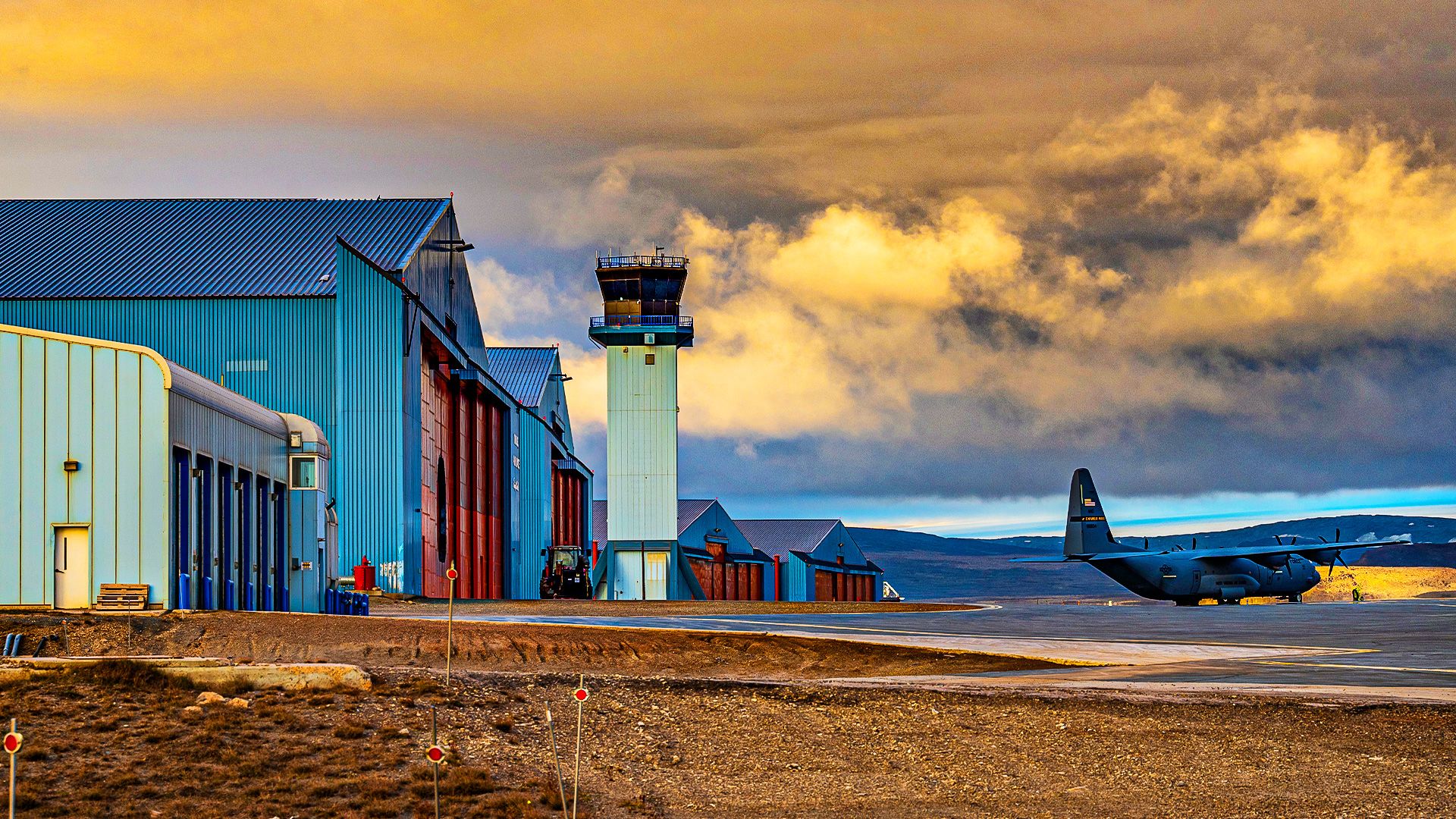
The United States Air Force’s former Thule Air Base in Greenland has been officially renamed Pituffik Space Base as of 2023. This facility stands as the northernmost military installation operated by the US Department of Defense and plays a crucial role in the nation’s missile warning and defense systems against ballistic missile threats. Under the management of the US Space Force, Pituffik continues its mission of nuclear deterrence while also supporting NATO’s modern space surveillance programs. Its strategic significance is largely due to its unique Arctic location, which provides vital monitoring capabilities for air and space activities between North America and Russia.
Key Role in Missile Defense
Pituffik Space Base serves as an essential component of the North American Aerospace Defense Command’s (NORAD) missile warning mission. The base hosts the 12th Space Warning Squadron, equipped with an Upgraded Early Warning Radar (UEWR) system. This advanced radar, a solid-state phased-array technology, is designed to detect and track ballistic missiles launched from both sea and land, offering NORAD critical early warning capabilities.
Operation Noble Defender, a regular exercise involving US and Canadian personnel, utilizes Pituffik as a central hub for NORAD operations. These exercises demonstrate the ability to rapidly deploy forces into the Arctic to maintain “Total Domain Awareness” and deter adversarial actions. Located in the Arctic’s “center sector,” Pituffik addresses vital capability gaps that could otherwise be exploited by rival powers.
The base is also part of a global satellite tracking network that provides telemetry, tracking, and command services to US and allied satellite programs. It monitors thousands of objects in orbit, contributing significantly to space domain awareness. Recent investments at Pituffik are focused on modernizing infrastructure, including new refueling hangars and personnel recovery facilities, further enhancing its role as a Forward Operating Location for NORAD’s air defense operations.
Infrastructure and Operations
Pituffik Space Base is recognized for its specialized Arctic engineering and advanced sensor capabilities. The facility operates its own closed-loop systems, including power plants and communication centers that can withstand extreme temperatures, as low as -85°F. Managed by the 821st Space Base Group, the base supports a multinational workforce that fluctuates between 150 to 600 personnel, depending on seasonal demands.
The base features a single asphalt runway measuring 10,000 feet (3,050 meters) and sits at an elevation of 251 feet. Current upgrades include bi-directional advanced approach lighting systems to enhance safety during severe weather conditions. Additionally, Pituffik is home to the northernmost deep-water port in the US Armed Forces, facilitating logistics and supply operations during a three-month summer window when sea ice is at its lowest.
To protect the underlying permafrost, all permanent structures are elevated at least three feet above the ground. Utilities such as heat, electricity, and water are constructed above ground to prevent freezing and damage to the permafrost. The 12th Space Warning Squadron operates the AN/FPS-132 UEWR radar system, which provides extensive coverage with a detection range exceeding 3,000 miles.
Strategic Importance and Future Outlook
The strategic significance of Pituffik extends beyond its immediate military functions. It is a critical outpost for monitoring the GIUK (Greenland, Iceland, United Kingdom) Gap, a vital area for tracking Russian naval movements in the North Atlantic. The base operates under a 1951 defense agreement between the United States and the Kingdom of Denmark, which allows the US to establish and maintain military installations in Greenland. This agreement acknowledges Denmark’s authority over Greenland while granting the US “exclusive jurisdiction” over its military personnel and operations.
As climate change continues to alter the accessibility of the Arctic, Pituffik’s role as a strategic hub for military operations and scientific research has become increasingly important. The growing interest from nations like Russia and China in the region’s shipping routes and natural resources underscores the need for vigilant defense and monitoring capabilities.
Historically, Thule Air Base, now Pituffik Space Base, has adapted to changing defense priorities since its establishment. It was initially a staging area for the Strategic Air Command during the early Cold War and has since evolved into a critical warning station with advanced radar capabilities. Significant events, such as the infamous 1968 B-52 crash and subsequent cleanup efforts, highlight the base’s complex history.
In recent developments, the US and Denmark have expanded their defense cooperation, allowing for greater military access to Danish territory. As part of NATO’s Arctic security framework, both countries continue to strengthen their alliance, reflecting a commitment to shared responsibilities in the region.
The future of Pituffik Space Base remains integral to US and NATO defense strategies, particularly as global geopolitical dynamics shift and the Arctic’s strategic relevance continues to grow.