URGENT UPDATE: As demand for privacy-focused applications grows, a wave of open-source alternatives to Microsoft Loop is capturing attention. Users seeking customizable, cost-effective note-taking and project management tools can now explore innovative options that prioritize data ownership and user control.
Latest reports reveal that users are increasingly dissatisfied with proprietary software, pushing them to consider open-source solutions that offer similar functionalities without the constraints of corporate control. Tools like Dillinger, Simplenote, AFFiNE, and Docmost are gaining traction for their user-friendly designs and robust features.
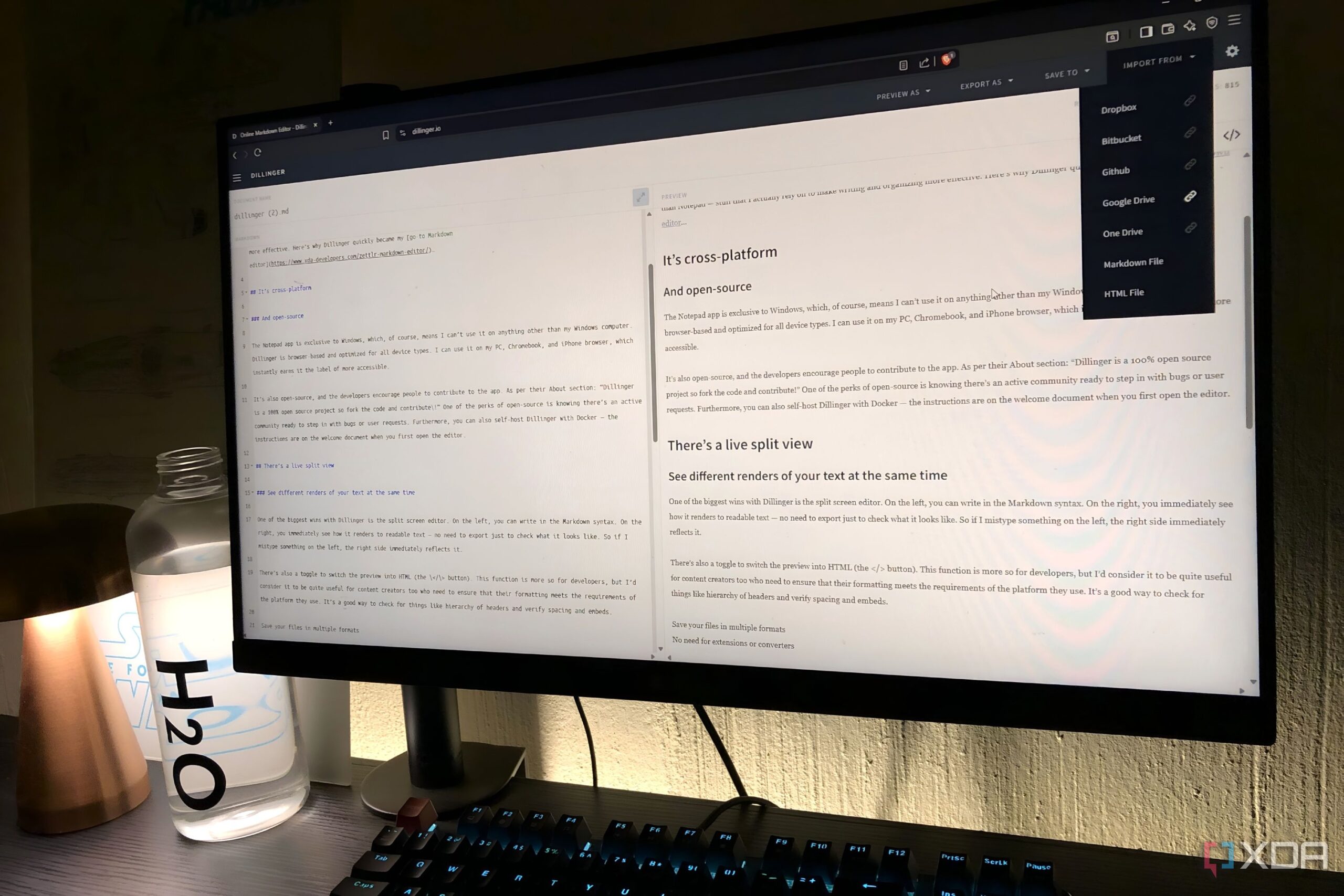
Dillinger stands out as a top choice, providing a fully functional browser-based Markdown editor. With a live split-view for real-time editing, users can seamlessly switch between research and note-taking. Dillinger supports syncing with services like Dropbox and Google Drive, and offers diverse export options including HTML and PDF.
Simplenote, another notable app, presents a minimalist interface that is entirely free and open-source. Available across platforms, it allows users to pin notes and utilize tags for easier navigation. While lacking folder organization, its simplicity and global search function make it an appealing option for users wanting clutter-free note management.
AFFiNE elevates project management with a unique blend of documents and block-based notes. This open-source tool is designed for both privacy-conscious users and teams needing collaboration features. AFFiNE allows for real-time co-editing, enabling multiple users to work on documents simultaneously while maintaining control over their data.
Docmost offers a self-hosted collaborative wiki environment, perfect for businesses aiming to maintain data integrity. Its block-based rich text editor provides essential formatting options, while the Space function enhances document organization, making it a solid alternative to Loop’s shared Components.
These alternatives not only match many of Loop’s features but also empower users with the freedom to customize their experience. As more individuals and businesses prioritize data privacy and ownership, the shift towards these open-source solutions is expected to accelerate.
In a landscape increasingly sensitive to paywalls and corporate oversight, the rise of these tools reflects a broader movement towards decentralized, user-driven technology. With growing interest in self-hosting and open standards, now is the time to explore these innovative applications that put control back into the hands of users.
As the open-source community continues to evolve, users can anticipate more developments in the coming weeks. The transition away from Microsoft Loop not only highlights a shift in user preferences but also signifies a potential transformation in how we approach digital note-taking and project management.
For those looking to enhance their workflow while retaining control over their data, these alternatives present a timely opportunity. Dive into the world of open-source applications today and discover tools that could redefine your productivity.