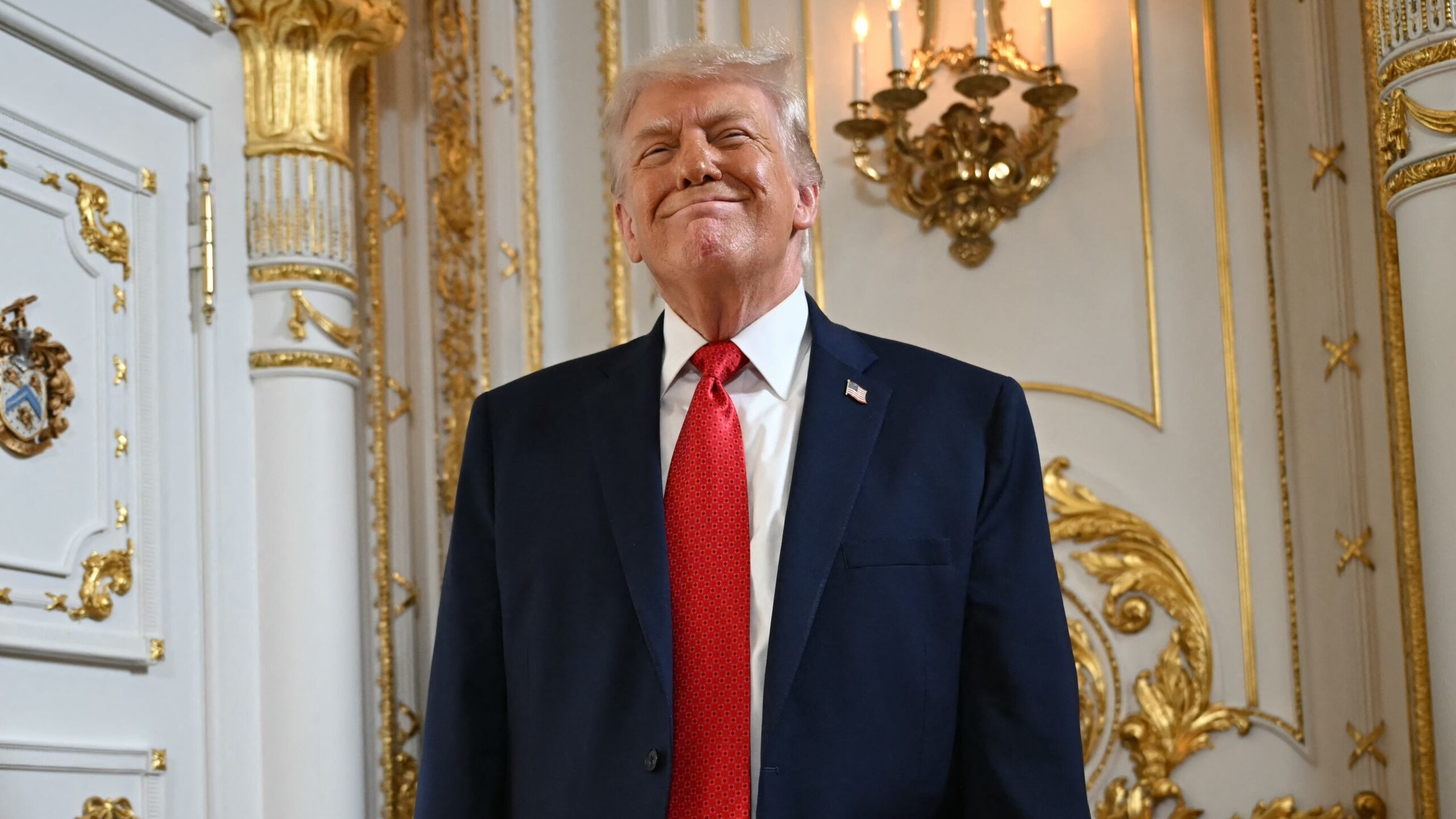
A draft charter for a proposed international organization led by former President Donald Trump has surfaced, revealing plans for a “Board of Peace” that requires a staggering $1 billion buy-in for permanent membership. This initiative, which Trump would chair, has already sparked significant concerns among various governments regarding its implications for global governance.
The charter stipulates that Trump would have exclusive authority over member admissions and operational decisions. While decisions are nominally made by majority vote, all outcomes would ultimately need the chairman’s approval. Members who do not pay the entry fee would face strict term limits of three years, renewable only at Trump’s discretion. In contrast, those who contribute the financial sum would be exempt from such limitations, effectively creating a privileged status within the organization.
Characterized as a body aimed at “promoting stability, restoring dependable and lawful governance, and securing enduring peace in areas affected or threatened by conflict,” the Board of Peace would officially commence once three countries agree to its terms. Reports indicate that several nations have expressed alarm over the proposal, particularly the provisions granting Trump control over the board’s funds.
According to a report from Bloomberg, diplomats familiar with the discussions reveal that multiple countries are organizing efforts to oppose the charter. The White House responded to the report through its Rapid Response account on X, labeling it “misleading” and insisting that the proposal is meant to reward nations demonstrating a commitment to peace and security. Nonetheless, critics argue that the draft explicitly links permanent membership to financial contributions.
The proposal has raised eyebrows among international observers who perceive it as an attempt to undermine or rival the United Nations, which Trump has previously criticized for being ineffective. Although there has been talk of a specific focus on Gaza, the charter does not restrict the body’s activities to any single region or conflict. A diplomat cited by Ynetnews referred to the initiative as a “Trump United Nations,” suggesting it disregards fundamental principles of the UN charter.
Reports indicate that Trump has reached out to several U.S. allies, including Argentina’s President Javier Milei and Canada’s former central banker Mark Carney, inviting them to participate in the board. The proposal has already faced criticism from Israeli Prime Minister Benjamin Netanyahu, who noted that details had not been coordinated with Israel. Several European governments have also been approached, though enthusiasm for the initiative appears to be waning.
The concentration of power within the chairman’s role, coupled with the significant financial demands, has complicated efforts to garner support, even from close U.S. allies. On October 20, 2023, the White House announced that the board’s initial executive panel would include Marco Rubio, the U.S. Secretary of State, as well as Middle East envoy Steve Witkoff, Trump’s son-in-law Jared Kushner, and former British Prime Minister Tony Blair.
Milei has accepted his invitation to the board, calling it “an honor,” and shared a copy of the invitation letter on social media. Yet, there has been no indication so far whether he or any other invited leaders intend to commit the billion-dollar fee for permanent membership. The White House has not yet responded to inquiries regarding this matter.
As discussions around the Board of Peace continue, the international community remains watchful, weighing the potential ramifications of Trump’s initiative on existing diplomatic frameworks and global governance.