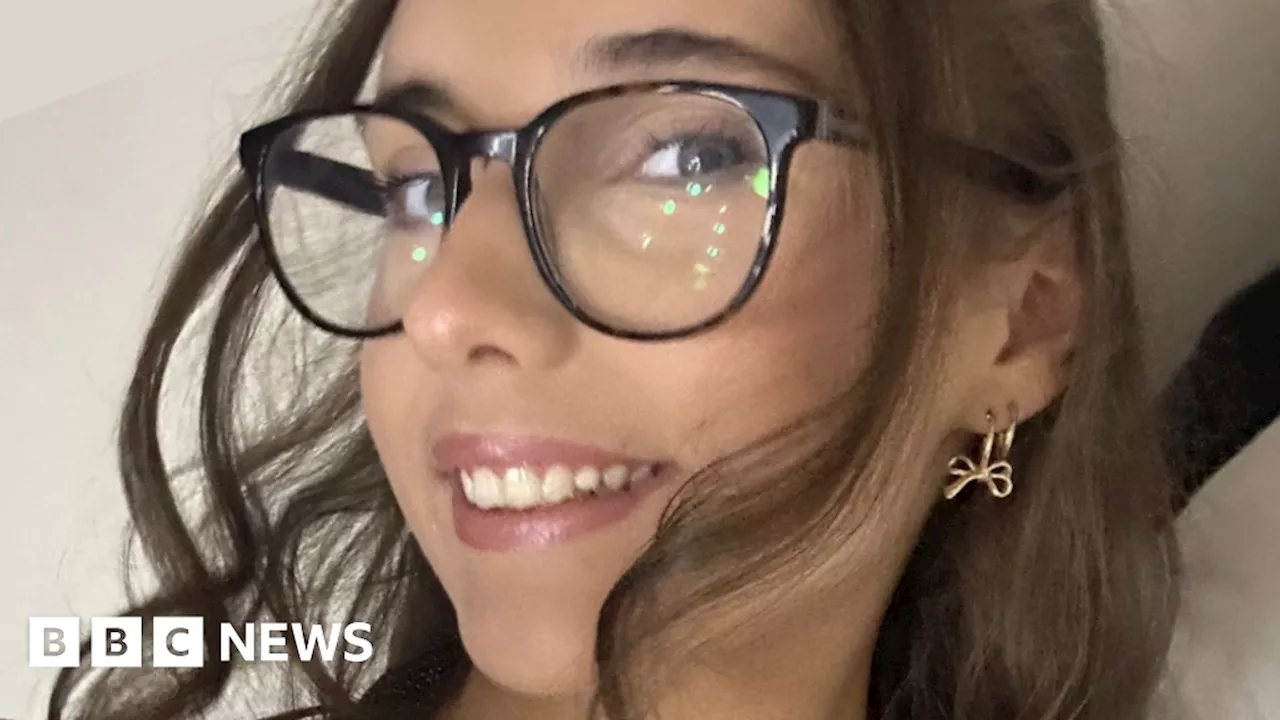
A 16-year-old girl from Abergele, Conwy County, is navigating life with a rare allergy known as cold urticaria, which causes her to develop hives and swelling in response to cold temperatures. Amber has shared her experiences, detailing the challenges and fears associated with her condition, as she strives for a more typical teenage life.
Cold urticaria can trigger reactions from surprisingly mild stimuli, such as a breeze on a summer day. Amber explained that even the slightest drop in temperature can lead to distressing symptoms. With the hope of alleviating her condition, she is currently undergoing treatment with new antihistamine injections every four weeks. Despite her efforts, she often feels self-conscious and regularly cancels plans with friends due to her reactions.
Amber’s journey began when she experienced her first outbreak after a shift at her part-time job as a waitress. Initially attributing her reaction to food, she later sought medical advice from her general practitioner. Unfortunately, her GP suggested that her skin was simply reacting to pollution and did not prescribe any treatment.
Reflecting on that time, Amber said, “She always made me wear double layers and she was always scared of what could happen because obviously we didn’t know much about it.” Determined to find answers, Amber researched her symptoms and eventually discovered cold urticaria. This led to a referral to a dermatologist, where she finally felt validated in her experience.
Despite receiving a diagnosis, Amber continues to struggle with her symptoms. Cold urticaria can be triggered by a variety of factors, including swimming, exposure to cold water, and even the consumption of cold foods and beverages, according to Anaphylaxis UK. The underlying cause remains unclear, making the condition challenging to manage. Amber has noted that her symptoms worsen when temperatures dip below 12°C, and any contact with cold water, regardless of the surrounding air temperature, can lead to hives and rashes.
The psychological impact of her condition has been significant. Amber often arrives at school and work with visible redness and hives, leading her to feel as if “everyone is looking” at her. Her social life has been affected as well; she frequently has to decline invitations from friends, leaving her feeling isolated. “When I go out, I always have a reaction,” she mentioned. “My friends are always out, and they’re always inviting me out, and I can’t really go out because of it.”
Amber’s experiences highlight the importance of further research into cold urticaria and the development of more effective treatments. As she looks to the future, she remains hopeful that advancements will provide her with better management options, allowing her to participate fully in life without the constant fear of an allergic reaction.
“I’m hoping there’s going to be a lot more research going into this and hopefully there’s more medication out there for me,” she said. Amber’s story underscores the daily challenges faced by those with rare allergies and the ongoing need for awareness and support.