A recently uncovered dataset has raised significant concerns regarding the use of insurance billing codes for puberty blockers in Pennsylvania. The information indicates that over 220 claims for these medications, which are typically used to treat precocious puberty, have been processed for minors aged 10 to 13 between January 1, 2013, and December 31, 2024. This surge resulted in costs exceeding $1.8 million to taxpayers.
The U.S. Department of Justice (DOJ) is currently investigating these claims amid suspicions of fraud, particularly focusing on whether healthcare providers may have improperly utilized the billing code E30.1 to secure insurance coverage for treatments connected to gender dysphoria rather than genuine medical needs. Dr. Kurt Miceli, medical director at Do No Harm, expressed that the sudden increase in diagnoses of precocious puberty among older children is highly unusual and warrants thorough scrutiny.
Surge in Claims Raises Questions
Data reveals a dramatic escalation in the use of the E30.1 billing code, with claims for puberty blockers rising from $34,906 in 2013 to $786,728 in 2017. Notably, there were no reimbursements for these medications from 2010 to 2012. Dr. Roy Eappen, an endocrinologist and senior fellow at Do No Harm, noted that it is atypical for children older than eight to be prescribed puberty blockers for precocious puberty. He stated, “I would be surprised to see girls or boys on puberty blockers for precocious puberty after age 8.”
The data also highlights that from 2013 to 2017, there was a staggering increase of more than 2,100 percent in claims related to puberty blockers for minors. The rise in reimbursement claims has drawn the attention of the DOJ, which is examining the possibility that some providers may be misclassifying diagnoses to secure funding for treatments that are not medically justified.
Investigation and Legal Actions
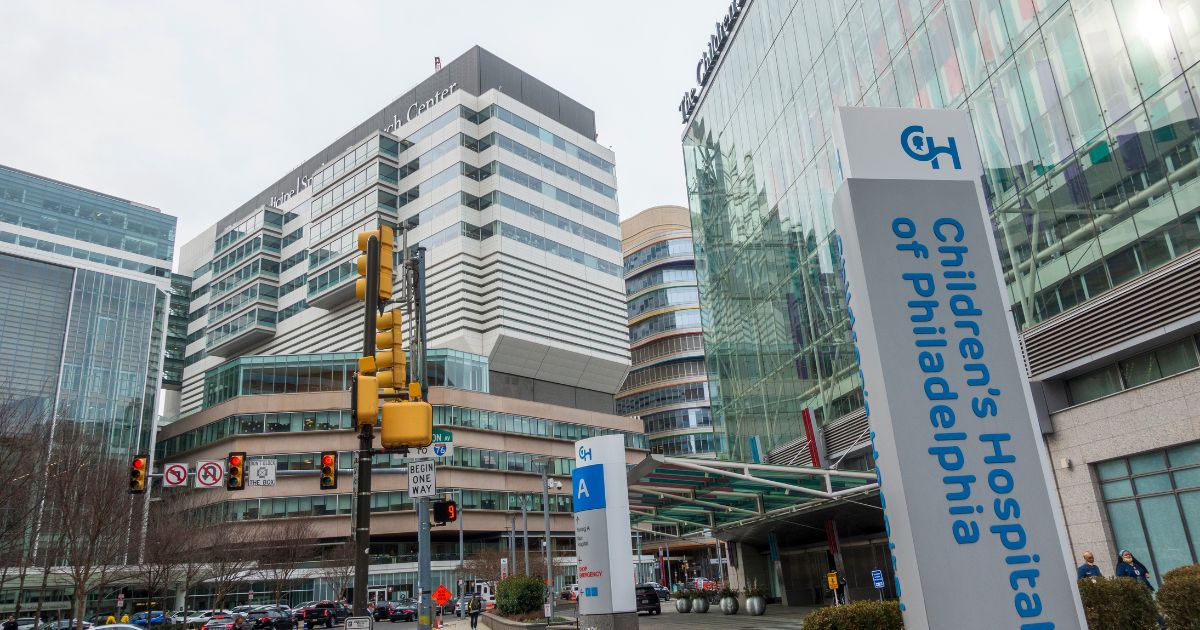
The DOJ’s investigation has involved issuing subpoenas to over 20 healthcare providers, including the Children’s Hospital of Philadelphia (CHOP) and Boston Children’s Hospital. Evidence suggests that nearly 250 minors at CHOP were diagnosed with Central Precocious Puberty at ages 10 or older between 2017 and 2024. Dr. Quentin Van Meter, a pediatric endocrinologist, highlighted that it would be “very, very rare” for a child to receive such a diagnosis at age 10, indicating that the treatments may not align with established medical guidelines.
In October 2025, the DOJ filed court documents expressing concerns that initiating puberty blockers for children aged 10 and up under the diagnosis of precocious puberty raises serious suspicions of fraudulent activity. The financial implications of these treatments are considerable, with the average cost per claim exceeding $11,200. Dr. Nadia Dowshen, co-founder of the CHOP Gender Clinic, noted that these costs could be prohibitive for many families if insurance does not cover them.
The investigation’s findings have prompted pushback from various stakeholders, including Pennsylvania Governor Josh Shapiro, who filed a motion in support of CHOP, claiming that the DOJ’s actions could intimidate medical professionals from providing important healthcare services.
As this investigation unfolds, the implications for healthcare providers, patients, and insurance companies continue to grow. The scrutiny surrounding these billing practices highlights a critical intersection of medical ethics, financial accountability, and patient care that warrants ongoing attention and analysis.