UPDATE: A surge in community activism is unfolding in Minneapolis following the fatal shooting of activist Renee Good by an ICE officer on January 7, 2023. Just one day after this tragic incident, the Minnesota immigrant advocacy group COPAL reported a threefold increase in individuals signing up to become legal observers, as community members mobilize to monitor federal immigration enforcement actions.
“The killing of Renee Good lit a fire under the community,” stated Ryan Perez, leadership director at COPAL, highlighting the urgency and emotional drive behind the surge in volunteerism. The Minneapolis area has become the epicenter of intensified immigration operations, prompting many to join the ranks of ICE observers who are now more active than ever.
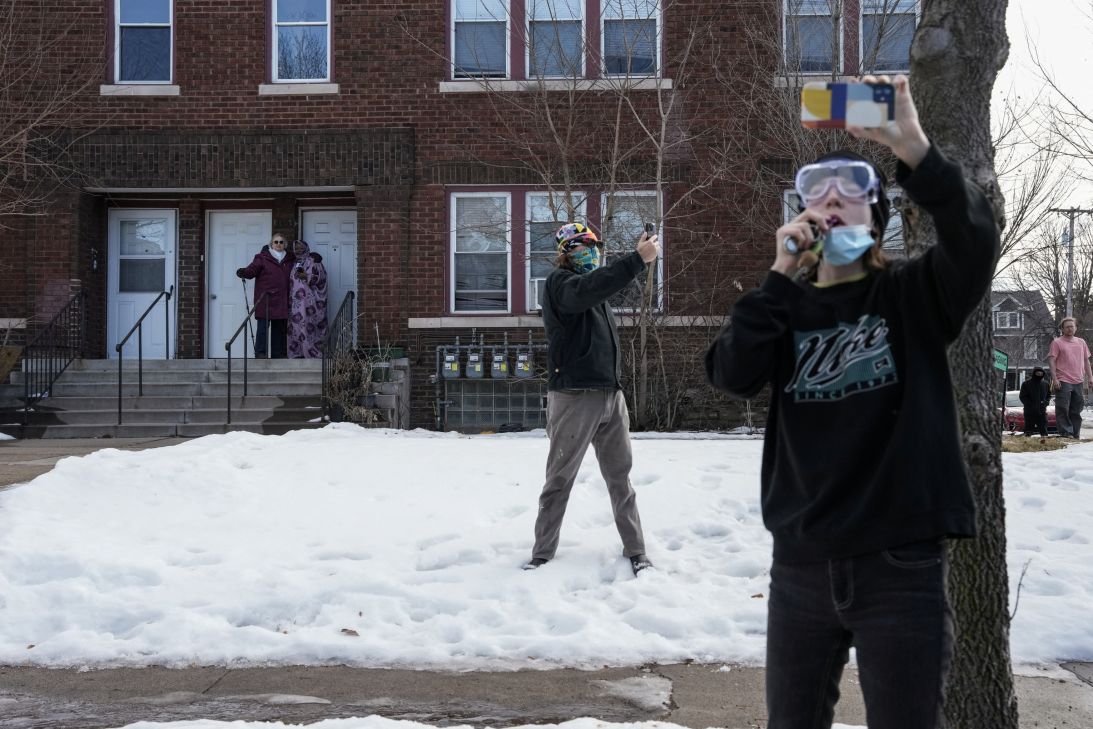
Volunteers across the nation, including parents, teachers, and community leaders, are stepping up to document ICE activities. They employ tactics such as tailing ICE agents, using whistles to alert neighbors, and recording arrests with cell phones. This grassroots movement is gaining momentum amidst increased scrutiny of federal enforcement tactics that have sparked protests across the U.S.
“Safety concerns are a daily reality,” said Andrew Wills Garces, senior strategist with Siembra NC, as he described the alarming increase in federal agents in communities.
In response to the heightened presence of federal officers, many volunteers are seeking training on their legal rights during immigration arrests. “People that look a lot like Renee Good, we have a lot of moms. We have a lot of retirees,” Perez remarked, emphasizing the diverse backgrounds of those stepping forward to help.
Legal experts weigh in on the actions of these observers. “Using whistles to signal that law enforcement officers are present and recording their activities are expressive activities protected by the First Amendment,” explained Gregory Magarian, a law professor at Washington University. However, he cautioned that actions intended to incite violence or interfere with law enforcement could cross legal boundaries.
ICE officials, meanwhile, have described their operations as necessary for public safety, citing a rise in assaults against officers. Assistant Secretary Tricia McLaughlin stated that agents are trained to use minimal force, asserting that they prioritize both public and personal safety.
Concerns over the safety and legality of observer activities have intensified since Good’s death. Volunteers are now more vigilant, questioning whether their actions could be labeled as “domestic terrorism” by the Trump administration, as officials have suggested. “Can they get away with this?” Garces noted, reflecting the anxiety within the community.
As protests and ICE watch initiatives grow, the legal landscape remains complex. Observers are instructed to maintain a safe distance from ICE agents and avoid obstruction. “We have a 100% no obstruction protocol as observers,” Perez insisted, stressing the importance of documenting interactions without escalating tensions.
What happens next remains uncertain, but the community’s determination to monitor and challenge ICE operations is clear. As the situation evolves, many are prepared to act, driven by a sense of urgency and a desire to protect their neighbors.
The tragic loss of Renee Good serves as a rallying point for activists, propelling a movement that promises to reshape the dialogue around immigration enforcement in the U.S. With the spotlight now on Minneapolis, the nation watches as community members stand firm against federal actions.