Prince Harry has emphasized the need to honor the sacrifices made by NATO troops in Afghanistan following controversial remarks made by former US President Donald Trump. In a recent interview, Trump suggested that NATO allies were not sufficiently engaged on the front lines during the conflict, which has prompted widespread condemnation from political leaders and veterans alike.
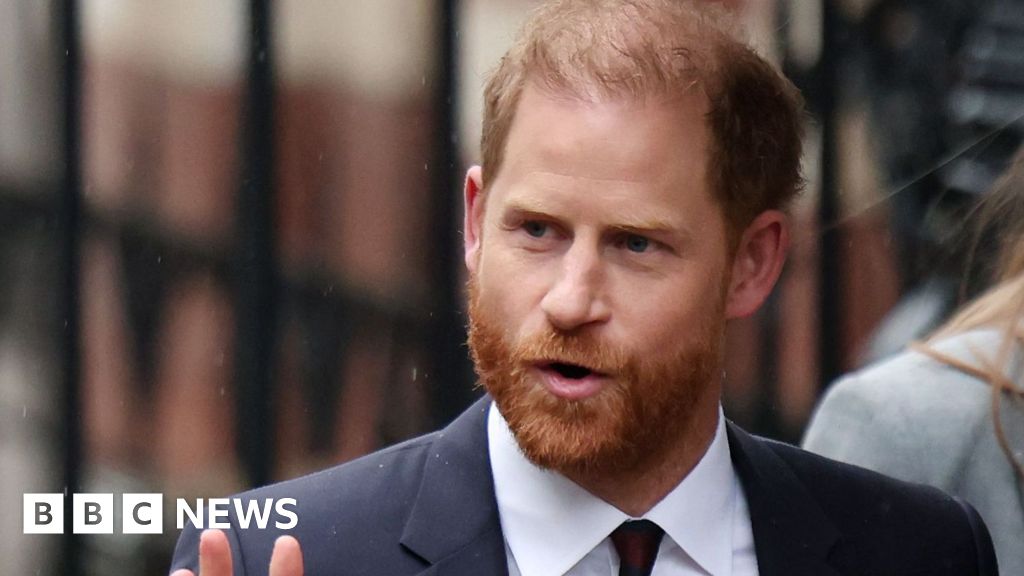
In a statement released on Friday, Prince Harry, who served two deployments in Afghanistan, insisted that the sacrifices of NATO forces “deserve to be spoken about truthfully and with respect.” He highlighted the profound impact of the conflict, where he not only forged lifelong friendships but also mourned the loss of comrades. The Duke of Sussex specifically referenced the 457 UK service personnel who lost their lives in the 20-year engagement.
The prince’s remarks came in reaction to Trump’s interview with Fox News, in which he remarked, “They’ll say they sent some troops to Afghanistan… and they did, they stayed a little back, a little off the front lines.” Such statements have been met with outrage, including from UK Prime Minister Sir Keir Starmer, who labeled them “insulting and frankly appalling.”
NATO’s involvement in Afghanistan was initiated after the 9/11 attacks when the alliance invoked Article 5 for the first time in history, obligating member nations to support the United States. Prince Harry underscored the significance of this commitment, stating, “Thousands of lives were changed forever. Mothers and fathers buried sons and daughters. Children were left without a parent.”
Trump’s comments have not only sparked a backlash in the UK but also drew criticism from international leaders. Poland’s Foreign Minister Radoslaw Sikorski, a veteran of the conflict, expressed that “no one has the right to mock the service of our soldiers.” Meanwhile, Canada’s Minister of National Defence, David J McGuinty, highlighted the sacrifices of Canadian troops, noting that 158 of their personnel paid the ultimate price in the Kandahar Province.
Jaap de Hoop Scheffer, former NATO Secretary General during the Afghanistan War, articulated the need for a sincere apology from Trump. He stated, “No American president should have the liberty to belittle their legacy and insult those who are still grieving.”
The US invasion of Afghanistan commenced in October 2001, aimed at dismantling the Taliban regime, which was sheltering al-Qaeda figures responsible for the 9/11 attacks. As of 2021, over 3,500 coalition soldiers had died, with approximately two-thirds being American. The UK faced the second-highest military death toll in the conflict, with 2,461 fatalities recorded.
British veterans have also voiced their discontent regarding Trump’s remarks. Former paratrooper Ben Parkinson, regarded as one of the most severely injured British soldiers, and other veterans have highlighted the sacrifices made by their comrades. Diane Dernie, mother of Ben Parkinson, termed Trump’s comments “insulting” and indicative of a “childish man trying to deflect from his own actions.”
Political leaders across the UK have been vocal in their criticism of Trump. Conservative leader Kemi Badenoch stated, “It is a disgrace to denigrate their memory like that,” while Liberal Democrat leader Sir Ed Davey noted Trump’s avoidance of military service during the Vietnam War, questioning his authority to comment on the sacrifices of those who served.
Former national security adviser Herbert Raymond McMaster also condemned Trump’s remarks, asserting that British forces were actively involved in counter-insurgency operations. He expressed that Trump should acknowledge and affirm gratitude for the allies who fought alongside the US.
The White House has largely refrained from commenting on the backlash in the UK, with a statement reiterating Trump’s perspective on NATO and its funding. The statement underscored that “America’s contributions to NATO dwarf that of other countries,” defending Trump’s longstanding view that NATO allies need to enhance their defense spending.
As the fallout from Trump’s remarks continues, it remains to be seen how the discourse surrounding NATO’s legacy in Afghanistan will evolve and whether further statements will be issued to address the concerns raised by military personnel, veterans, and political leaders worldwide.