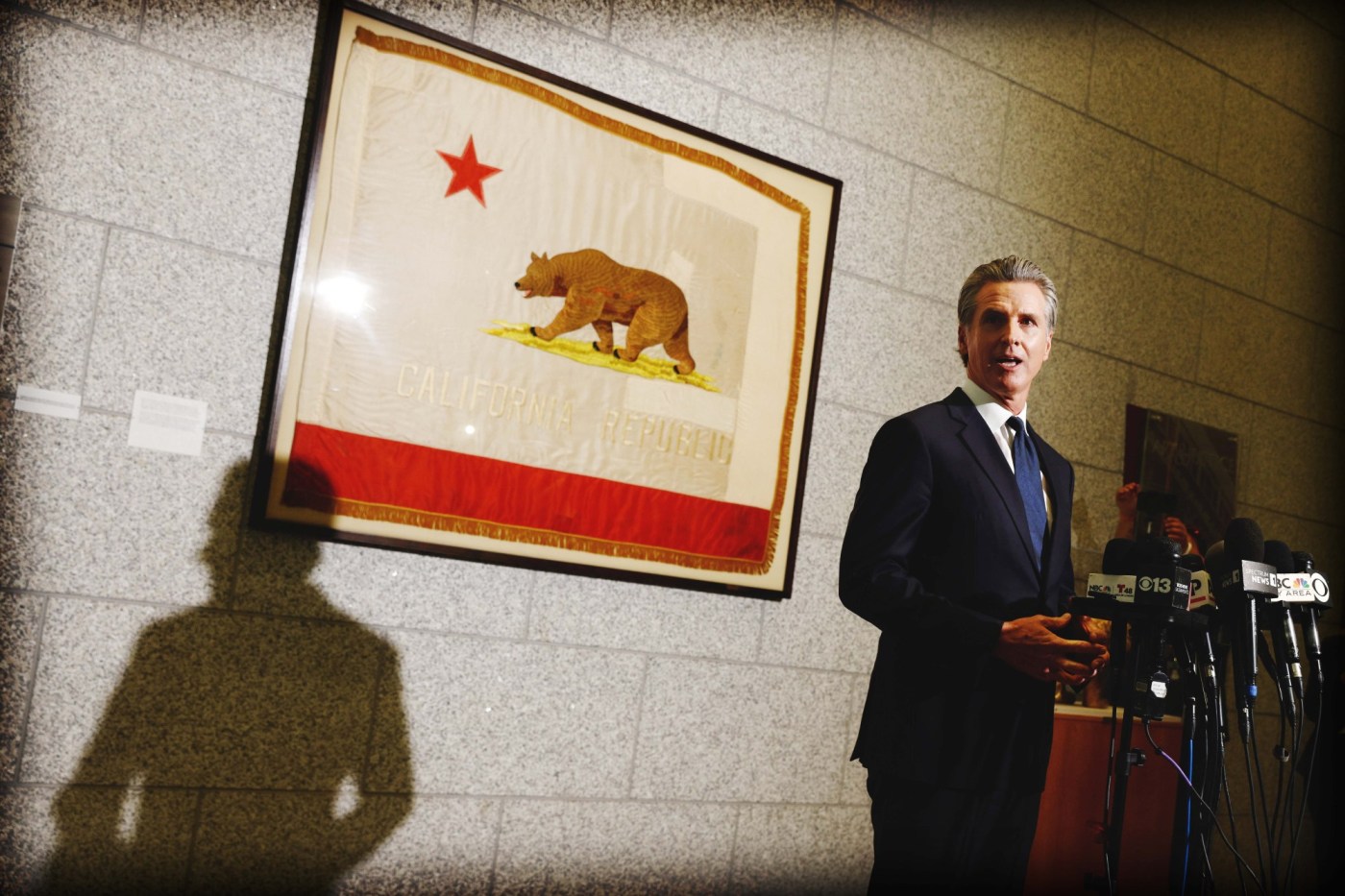
UPDATE: Tensions between Governor Gavin Newsom and frustrated California lawmakers are escalating during the first budget hearings of his final year in office. As Newsom gears up for a likely presidential campaign, his $349 billion budget for the 2026-27 fiscal year has sparked significant discontent among legislators who feel increasingly sidelined.
This past week’s hearings revealed lawmakers’ growing annoyance with Newsom’s budget strategy, which they view as a mere placeholder. The initial budget, described by administration officials as an extension of the current financial plan, is not expected to be finalized until May, just weeks before the state’s constitutional deadline of June 15.
Lawmakers are grappling with urgent warnings from Gabe Petek, the Legislature’s budget advisor, who cautioned about looming budget deficits that will outlast Newsom’s tenure. During last week’s hearings, Petek advised legislators to address the projected deficits proactively, discussing potential solutions that range from significant spending cuts to steep tax increases.
The tension is palpable as lawmakers express frustration over the absence of actionable proposals from Newsom. The governor has consistently opposed major tax increases, despite his administration’s past miscalculations in revenue projections—an error of $165 billion over four years that has contributed to what officials now label a “structural deficit.” This situation has left legislators speculating about how to balance the budget without compromising essential services.
State Senator Caroline Menjivar, a Democrat from Van Nuys, voiced the collective sentiment, criticizing Newsom’s healthcare proposal to cut Med-Cal benefits for undocumented immigrants as “barbaric.” She stressed the need for a balanced approach to budget management, advocating for a mix of strategic cuts and changes to revenue streams.
The stakes are even higher due to reductions in federal support for essential health and welfare programs, a consequence of policies enacted during the Trump administration. Some legislators are now pushing for tax hikes not just to address the state’s structural deficit but also to offset cuts in federal aid.
Public employee unions are already mobilizing, proposing two measures for the November ballot aimed at increasing state revenues. These include a one-time wealth tax on billionaires and an extension of a temporary surtax on high-income earners, originally implemented in 2012.
As the budget debate intensifies, critical questions loom: Will Newsom fulfill his promise to address this year’s deficit and future projections? With a presidential campaign on the horizon, will he maintain his stance against tax increases? And will Democratic lawmakers demand tax hikes to prevent severe spending cuts?
The coming weeks will be crucial as California navigates this challenging fiscal landscape. The urgency for a resolution is clear, and all eyes are on Sacramento to see who will yield in this high-stakes standoff.