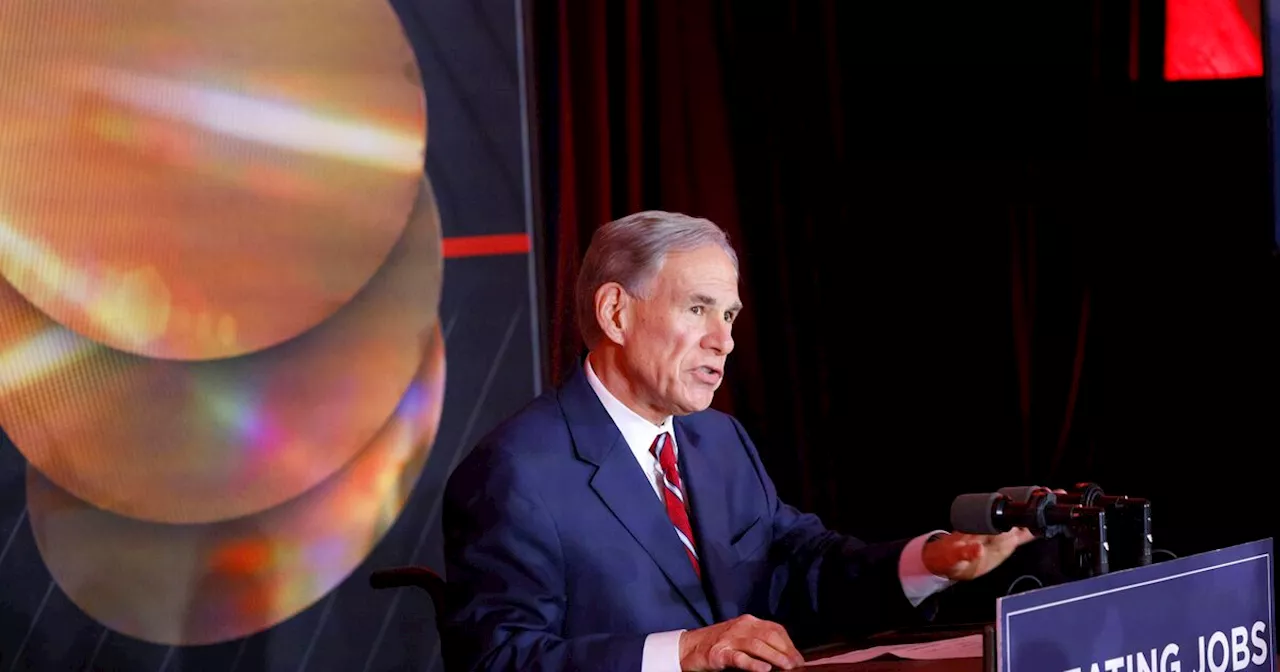
Texas Governor Greg Abbott has mandated a freeze on new H-1B visa applications from state agencies and public universities until May 31, 2027. This decision is intended to allow for a comprehensive review and potential reform of the program, which Abbott claims has been misused in certain instances. The governor’s directive seeks to prioritize employment for Texas workers and to ensure that jobs are filled by qualified residents whenever possible.
The freeze, outlined in a letter to state agency heads, requires all new H-1B visa filings to be halted unless explicit permission is obtained from the Texas Workforce Commission. This move reflects a broader concern regarding the H-1B program, which has faced increased scrutiny at both the state and federal levels. Abbott’s administration aims to gather information on the program’s use to better assess its impact on job opportunities for Texas residents.
Impact on State Agencies and Universities
The implications of this directive are substantial, particularly for higher education institutions and state agencies that depend on H-1B visa holders to fill specialized roles. Among the notable sponsors of H-1B visas in Texas are Dallas Independent School District (ISD) and UT Southwestern Medical Center. Other institutions, including Texas A&M and the University of Texas at Austin, also employ a significant number of H-1B visa holders.
State agencies are now mandated to submit detailed reports to the Texas Workforce Commission regarding their H-1B sponsorships. These reports must include information such as the number of visa holders, their countries of origin, job classifications, and documentation of efforts to recruit local candidates. This data collection is part of an effort to understand the current landscape of H-1B visa usage within the state and to make informed decisions regarding its future.
Governor Abbott’s actions are also informed by previous attempts by the federal government, particularly during the Trump administration, to reform the H-1B program. Proposed changes during that period included increased fees for new petitioners and a shift in the visa allocation process to favour workers with higher salaries and specialized skill sets. Abbott’s administration now seeks to create “guardrails” around the H-1B program to ensure it is utilized appropriately.
Looking Ahead
The freeze on new H-1B visa applications underscores a growing focus on workforce development in Texas. Abbott has expressed a desire to provide state lawmakers time to create new legal frameworks for the program while allowing the federal government an opportunity to implement reforms. His administration emphasizes the need for a thorough analysis of the program to ensure that job opportunities are genuinely necessary and aligned with state employment needs.
As Texas moves forward with this directive, the future of the H-1B visa program in the state remains uncertain. The outcome of this initiative could significantly reshape the workforce landscape, particularly in sectors such as technology and healthcare, which heavily rely on foreign talent. The response from educational institutions and state agencies will be closely monitored as they adjust to these new regulations.