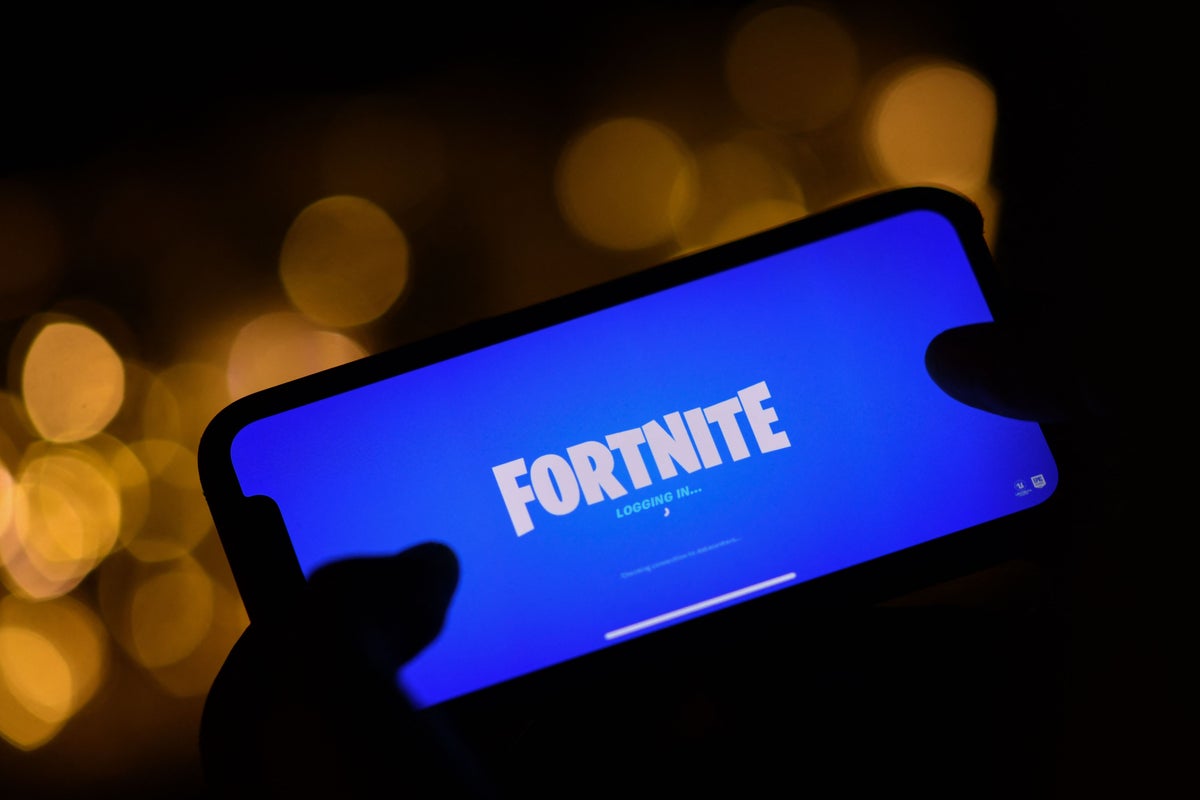
UPDATE: A man has just filed a groundbreaking lawsuit against the creators of Fortnite, Minecraft, and Microsoft, claiming these games fueled his serious video game addiction. Cayden Breeden’s lawsuit, filed on January 23 in the New York Southern District Court, seeks accountability from the companies for allegedly failing to implement necessary safeguards against addiction.
Breeden’s 56-page complaint asserts that the gaming giants neglected their duty to protect players, stating, “There are some video games that pose serious, known risks to players.” He accuses the defendants of negligence and fraud, arguing that their business practices are “deceptive, unfair, immoral, and reckless.”
The lawsuit details Breeden’s personal struggle with gaming, describing his habits as “compulsive and disordered.” He claims he experiences withdrawal symptoms when unable to play, including “anger, destruction of property, compulsive and antisocial behavior,” and significant sleep disturbances. Breeden insists that his gaming addiction has severely impacted his life, leading to emotional distress and ongoing medical issues.
He is seeking compensation for pain and suffering, medical expenses, attorney’s fees, and damages for “severe injuries sustained” due to his use of the defendants’ video game products. This case highlights a growing trend where game developers face lawsuits over addictive features designed to keep players engaged longer, such as loot boxes and reward systems.
This lawsuit follows a similar case from last year, where a parent claimed that her minor child became addicted to video games due to gameplay mechanics designed to hook young users. The previous lawsuit targeted Microsoft, Epic Games, Mojang, and Roblox Corporation, emphasizing the alarming rise in gaming addiction among children and teenagers.
Legal experts note that these lawsuits could reshape the gaming industry, prompting developers to rethink their marketing and game design strategies, especially regarding youth engagement. As Breeden’s case develops, it could set a precedent for how gaming companies are held accountable for the mental health impacts of their products.
The defendants have yet to comment on the lawsuit, but this case is drawing significant attention as it raises critical questions about player welfare and corporate responsibility in the gaming industry.
Stay tuned for further updates on this developing story and its implications for gamers worldwide.