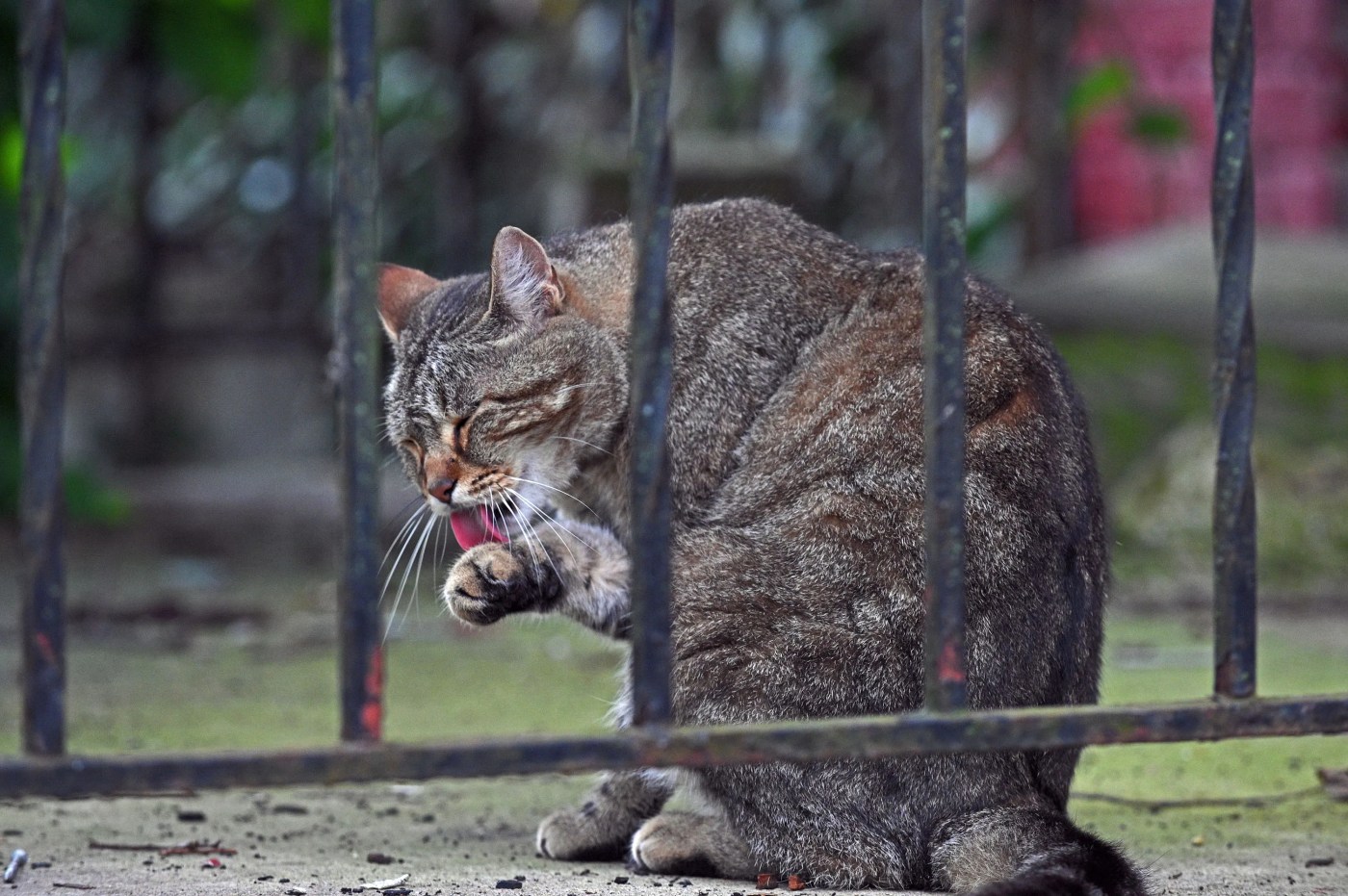
A recent article in the Baltimore Sun highlighted a significant reduction in the humane euthanization of stray cats and dogs in Baltimore City, attributing the change to the implementation of no-kill policies. While the article presents a positive view of these policies, critics argue that such measures may inadvertently lead to increased suffering among animals and wildlife.
The practice of trap-neuter-return (TNR) is central to the discussion. TNR involves capturing stray cats, neutering them, vaccinating them against diseases, and then releasing them back into the environment. While proponents argue that this method helps control the cat population without resorting to euthanasia, opponents, including animal rights organization PETA, contend that TNR can exacerbate the problem.
According to a peer-reviewed study, there are approximately 86,000 to 185,000 free-roaming cats in Baltimore. The process of TNR consumes significant resources, with millions of dollars spent on capturing, feeding, and neutering these animals. Critics maintain that rather than alleviating the issue, TNR contributes to the ongoing cycle of suffering for both the cats and the local wildlife.
The Environmental Impact of Free-Roaming Cats
Research indicates that free-roaming domestic cats in the contiguous United States kill between 1.4 billion and 3.7 billion birds annually. Additionally, they are responsible for the deaths of up to 20.7 billion small mammals each year. This alarming statistic raises concerns about the potential long-term effects on local biodiversity.
The findings of the study, co-authored by two scientists from the Smithsonian Institution and a scientist from the U.S. Fish and Wildlife Service, conclude that cats are the leading cause of human-induced mortality for birds and mammals in the U.S. The authors stress that TNR programs have not been shown to effectively reduce cat populations or their impact on wildlife. Since the TNR ordinance was enacted in Baltimore City in 2007, there has been no evidence of a decrease in stray cat numbers.
The issue is further complicated by the existence of over 1,100 registered outdoor cat colonies in the city. These colonies often attract more cats and can lead to increased predation on local wildlife. Despite claims that well-fed cats are less likely to hunt, studies indicate that better-fed cats can become more effective predators.
Public Health Concerns and the Argument Against No-Kill Policies
The ramifications of free-roaming cats extend beyond wildlife to public health. According to the Maryland Department of Health, cats are frequently identified as rabid domestic animals. The difficulty of re-trapping feral cats for vaccination poses a public health risk that cannot be ignored. PETA has documented instances where stray cats have exposed residents, including children, to rabies.
In addition to rabies, outdoor cats can spread parasites such as hookworms and roundworms, raising concerns about the safety of public spaces where children play. A report from the National Association of State Public Health Veterinarians indicates that managed cat colonies do not adequately mitigate public health risks or their impacts on pets and wildlife.
The decision to maintain TNR programs has faced criticism in other regions as well. For instance, both Phoenix College in Arizona and the city of Parry Sound in Ontario have terminated their TNR initiatives after witnessing an increase in cat populations.
Critics of no-kill policies often argue that while they may appear compassionate, they can lead to worse outcomes for the animals involved. PETA asserts that the pressure to adopt no-kill strategies can result in increased suffering and death for animals that may have benefited from euthanasia.
Gerald Winegrad, a former Maryland state legislator and advocate for wildlife protection, contends that responsible pet ownership is essential for animal welfare and conservation. He urges that all cats should remain indoors to minimize their impact on wildlife and to prevent the suffering associated with life on the streets.
In conclusion, the debate surrounding no-kill policies and TNR programs in Baltimore raises critical questions about the balance between animal welfare and ecological responsibility. As cities continue to grapple with the complexities of stray animal populations, it is essential to consider the broader implications of policies that may not achieve their intended goals.