Researchers at Washington University in St. Louis have made a significant breakthrough in hydrogen fuel cell technology by stabilizing iron catalysts. This development aims to address the long-standing issue of cost, making fuel-cell vehicles more competitive in the market. Currently, the average fuel-cell vehicle is priced at approximately $70,000, while a comparable gasoline-powered vehicle costs around $30,000. The cost of platinum catalysts, which account for about 45% of the total fuel cell stack expense, has been a barrier to wider adoption of this technology.
The escalating demand for hydrogen fuel systems often drives up the price of platinum, a precious metal, complicating efforts to scale production. By introducing iron as a feasible alternative, researchers aim to make hydrogen-powered transportation more cost-effective compared to battery-electric and internal combustion engines. Data from the Environmental and Energy Study Institute indicates that fuel cells can extract over 60% of their fuel’s energy, while internal combustion engines recover less than 20%.
Improving Efficiency with Iron Catalysts
The researchers have demonstrated that the efficiency of hydrogen fuel cells can reach 85% when the heat generated is also used to produce electricity. The team, led by Professor Gang Wu from the McKelvey School of Engineering, aims to provide a more affordable option for applications demanding high energy density and centralized refueling capabilities. “Hydrogen fuel cells generate electricity with zero emissions using hydrogen and oxygen, two components of water,” Wu explained in a recent press release.
This process necessitates a catalyst, with platinum being the standard due to its effectiveness and stability. However, due to its limited availability, it presents a financial hurdle for mass production. Iron, on the other hand, is abundant and inexpensive but has historically struggled to maintain stability in the acidic environment of proton exchange membrane fuel cells (PEMFCs).
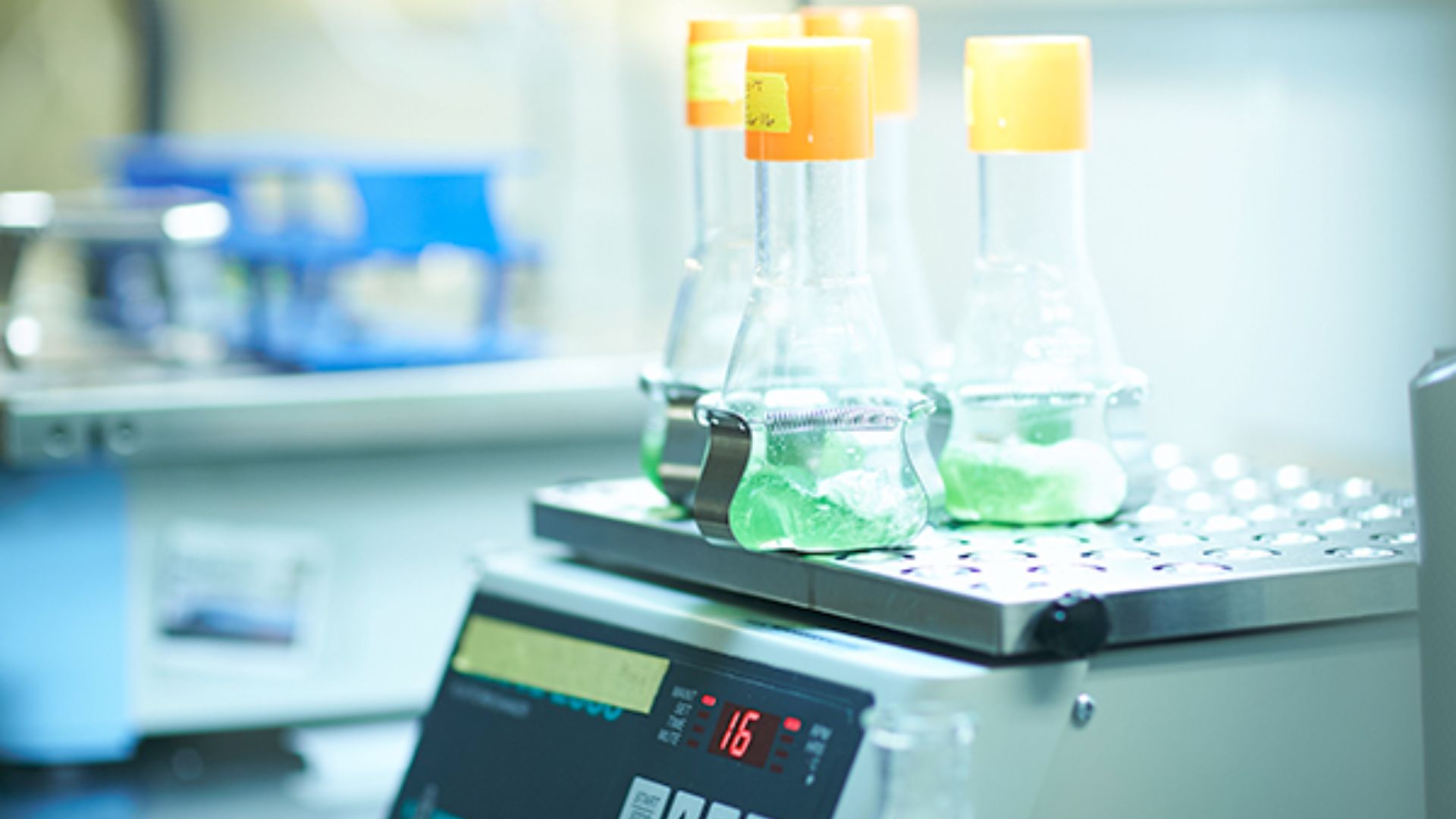
Wu and his research team have developed a method to stabilize iron catalysts through a chemical vapor process. This innovation significantly enhances catalyst stability while ensuring sufficient activity in PEMFCs.
Logistical Advantages for Heavy-Duty Vehicles
The focus of this research on PEMFCs is particularly relevant for heavy-duty vehicles, such as transport trucks, buses, and construction equipment. These vehicles typically operate from centralized locations, which simplifies the logistical requirements for hydrogen refueling. Unlike passenger electric vehicles that can be charged at home, hydrogen-powered vehicles necessitate specialized refueling stations.
By applying this technology in heavy-duty fleets that already utilize central refueling stations, the infrastructure demands are more manageable as the technology scales. Wu’s team also highlighted the potential for iron catalysts to reduce costs for other niche applications, including low-altitude aviation and artificial intelligence data centers, which require reliable power sources and can benefit from the high energy density of hydrogen systems.
The next steps of this research involve refining the stabilization process to further improve catalyst performance. The ultimate goal is to develop iron-based catalysts that can match the performance characteristics of precious metals. Transitioning away from platinum is viewed as crucial for the broader adoption of hydrogen as a clean energy source, particularly in manufacturing and transportation sectors.
The implications of this research are far-reaching. By making hydrogen fuel cells more affordable and efficient, it could pave the way for a significant shift toward cleaner energy technologies.