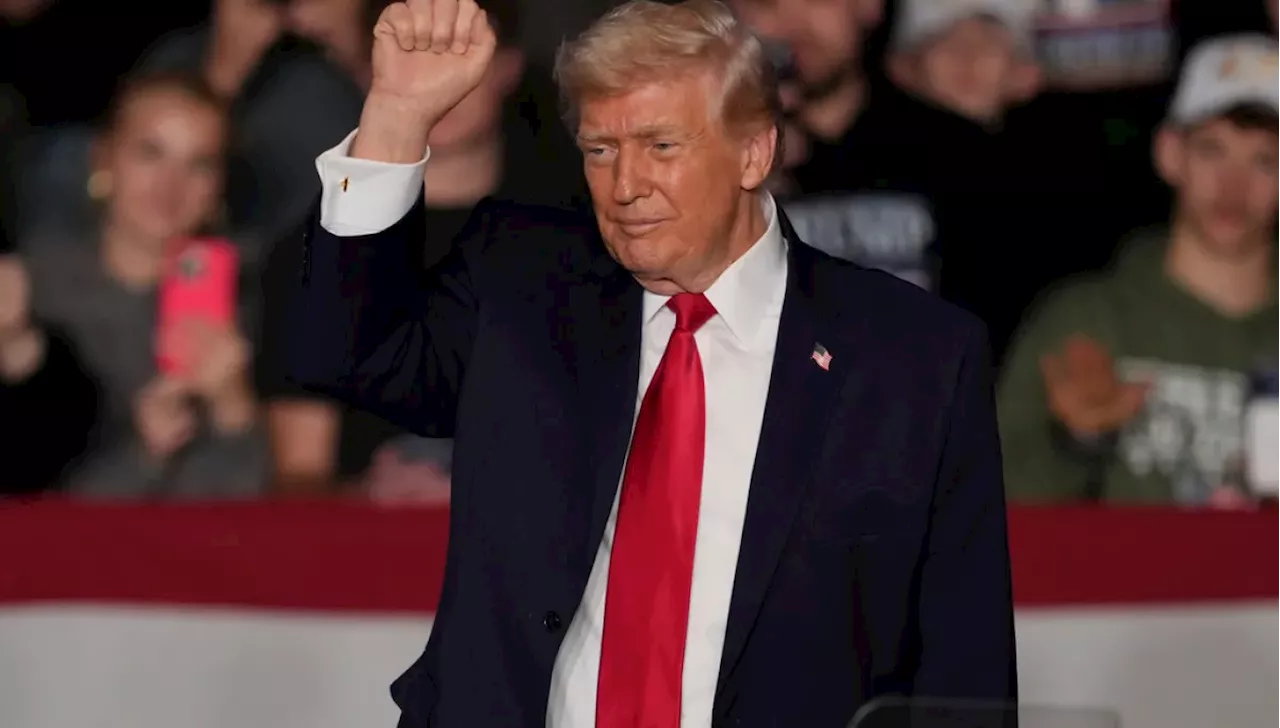
President Donald Trump has declared his pride in the current state of the U.S. economy, despite a recent poll showing that only 36% of Americans approve of his economic management. The NPR-Marist-PBS News survey, released on February 1, 2024, indicates a striking 59% disapproval rate, a figure that has risen from 57% just a month prior. This disapproval rating marks the highest during his presidency.
In an interview with NBC News that aired prior to the Super Bowl, Trump asserted, “I’d say we’re there now,” when asked if the nation is experiencing the “Trump economy.” His comments reflect a shift in his narrative, as he has begun to take ownership of the economy after previously attributing economic challenges to the administration of former President Barack Obama. Trump stated, “They’re the ones that caused the problem,” referring to the Democrats.
The poll results reveal that affordability remains a critical concern among voters, influencing the outcomes of several state elections in November 2023, where Democrats triumphed in key gubernatorial races. This outcome has prompted Trump to adjust his messaging regarding affordability, launching a nationwide tour to defend his administration’s economic policies. He contends that these policies contribute to reducing the U.S. trade deficit and bolstering domestic manufacturing.
Despite his assertions, public opinion on tariffs diverges from Trump’s stance. The same NPR-Marist-PBS News survey revealed that 56% of respondents believe that imposing tariffs on foreign countries harms the U.S. economy, while only 31% think they are beneficial. This represents a significant disconnect between the president’s views and those of the general populace.
As Trump continues to navigate these economic discussions, he faces increasing scrutiny regarding his administration’s policies and their impact on everyday Americans. The upcoming months will likely prove crucial as he attempts to reshape public perception and bolster support for his agenda ahead of the 2024 presidential election.
This evolving narrative around the economy underscores the complex relationship between public opinion and political messaging as the nation prepares for another election cycle.