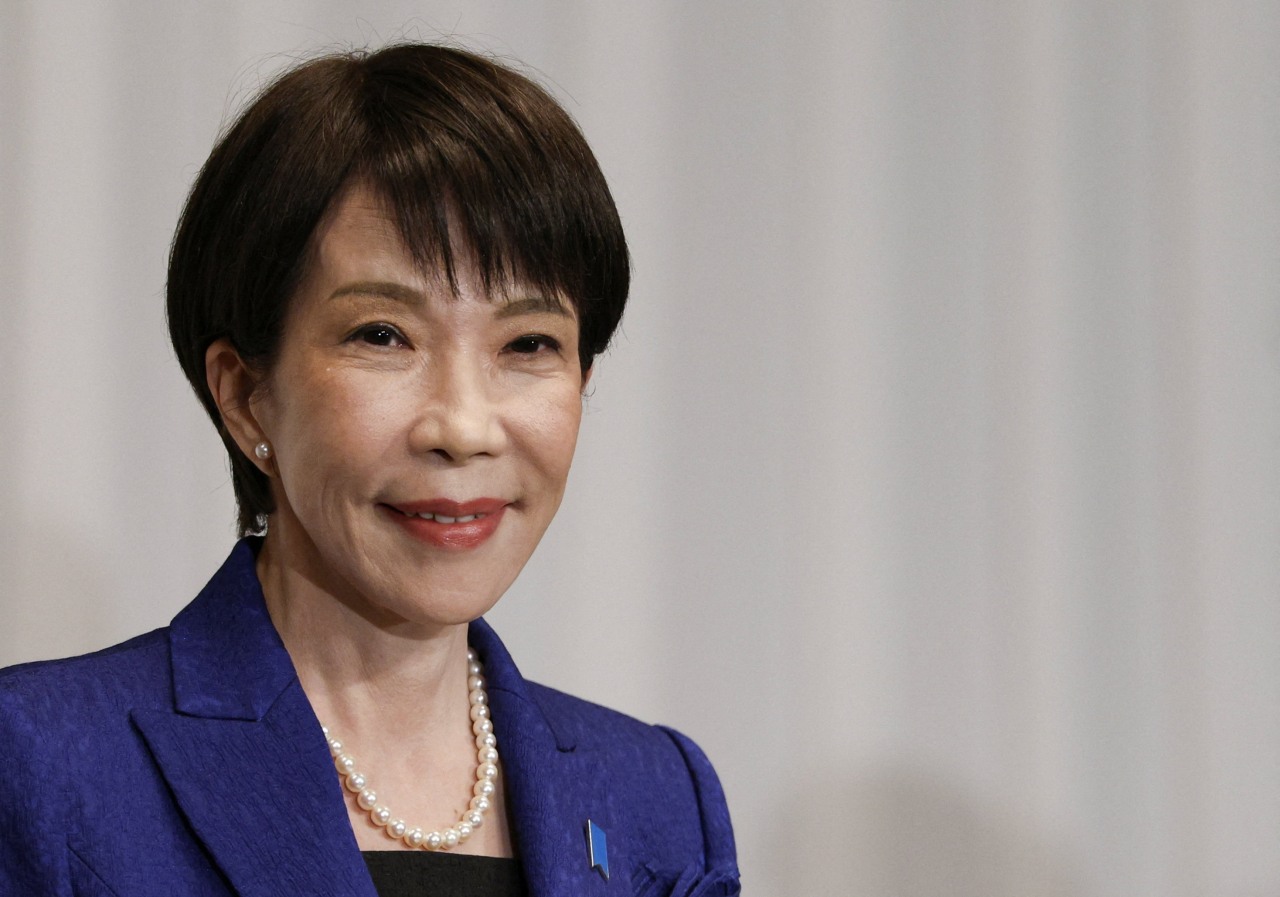
Seiko Takaichi, leader of Japan’s ruling Liberal Democratic Party (LDP), has secured a significant supermajority in the Diet, positioning herself to advance key policies related to the economy and national defense. This political strength not only reinforces her authority at home but also creates a potential pathway for revising Japan’s constitution, a long-standing objective for conservatives in the country.
The LDP’s dominance was evident after the recent elections held in March 2024, where the party achieved more than two-thirds of the seats in the House of Representatives. This majority enables Takaichi to push through critical legislation without relying on support from opposition parties. The implications of this victory extend beyond domestic policy; it may also influence Japan’s role on the global stage, particularly in the context of rising regional tensions.
Potential Policy Shifts on the Horizon
With this newfound authority, Takaichi has indicated her intent to focus on economic revitalization and military strengthening. Japan’s economy, which has faced challenges such as stagnation and inflation, may see significant reforms aimed at boosting growth. Takaichi’s agenda could include measures to enhance corporate investment and support small businesses, crucial for sustaining economic momentum.
In parallel, defense policy is expected to become a priority. Takaichi has voiced support for increasing Japan’s defense budget and expanding its military capabilities. This shift reflects a growing consensus among Japanese lawmakers regarding the need for a more robust defense strategy in light of increased military activities from neighboring nations.
Constitutional Revision: A Long-Term Goal
One of the most contentious aspects of Takaichi’s leadership will be her pursuit of constitutional revision. Article 9 of Japan’s constitution renounces war and prohibits the maintenance of armed forces for warfare. For decades, conservative factions, including the LDP, have sought to amend this article to allow for a more assertive military posture.
The supermajority provides Takaichi a clearer path to initiate discussions on this topic. Should she choose to pursue constitutional amendments, it will likely ignite public debate and scrutiny, as such changes require broad consensus beyond just the ruling party. Engaging with the public and opposition parties will be essential to navigate this complex political landscape.
Takaichi’s leadership style has been characterized by her firm stance on national security and her vision for Japan’s future. As she embarks on this ambitious agenda, the international community will be watching closely, particularly in light of Japan’s significant role in regional stability and security.
The coming months will reveal how effectively Takaichi can leverage her supermajority to implement her policies and whether she can build consensus for constitutional changes. Her ability to balance domestic expectations with international responsibilities will be crucial in shaping Japan’s trajectory in the years to come.