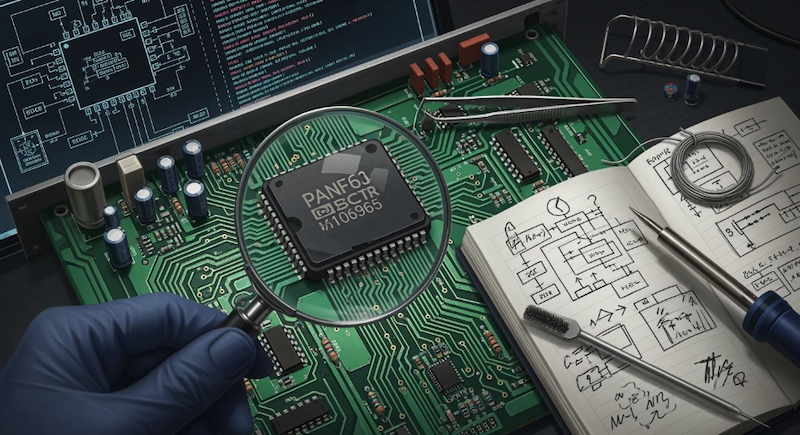
Consumers often encounter outdated electronic products that lack manufacturer support. As technology evolves rapidly, many devices become obsolete, leaving users searching for ways to repair or enhance their gadgets. One solution gaining traction is the practice of reverse engineering, which involves analyzing and reconstructing the circuitry of these devices. This method not only aids in repairs but also empowers users to extend the lifespan of their electronics.
The process of reverse engineering often focuses on two main components: Printed Circuit Boards (PCBs) and Integrated Circuits (ICs). By studying the layouts and connections of these components, individuals can diagnose issues and implement fixes. This practice is becoming increasingly popular among enthusiasts who seek to combat the effects of planned obsolescence—a strategy where products are designed with a limited lifespan to encourage consumer replacement.
Techniques and Tools for Reverse Engineering
To effectively reverse engineer a device, one typically begins by disassembling the product to expose its internal components. Tools such as multimeters, oscilloscopes, and software for circuit simulation play a crucial role in this process. Once the circuit layouts are obtained, users can create new designs or modifications that address specific shortcomings of the original product.
For example, an individual might identify a faulty capacitor on a PCB that causes a device to malfunction. Through reverse engineering, they can find an equivalent replacement part or even upgrade the component to improve performance. This approach not only saves money but also contributes to sustainability by reducing electronic waste.
The method of reverse engineering may also involve unlocking ICs to access their functionality. This is particularly relevant in cases where manufacturers have restricted a device’s capabilities through software locks. By understanding the internal workings of an IC, users can potentially unlock features that were initially disabled.
The Community Impact
Repair communities have emerged as vital resources for those interested in reverse engineering. Online forums and local repair workshops provide platforms for individuals to share knowledge, tools, and techniques. Organizations like iFixit and Repair.org advocate for the right to repair, emphasizing the importance of making repair information accessible to consumers.
The movement has gained legislative support in various regions, with some governments exploring policies to mandate greater transparency from manufacturers regarding repairability. In the United States, for example, several states are considering laws aimed at enhancing consumer rights related to repairs, which could significantly influence the electronics market.
Despite the challenges faced by repair advocates, the growing interest in reverse engineering highlights a shift in consumer attitudes. More people are becoming aware of the environmental impact of electronic waste and are seeking ways to prolong the life of their devices.
As technology continues to advance, the future of discontinued products may not be as bleak as once thought. Through reverse engineering and community support, users are finding innovative solutions to keep their electronics functional and relevant. This trend not only fosters creativity but also promotes a culture of sustainability in an increasingly disposable world.