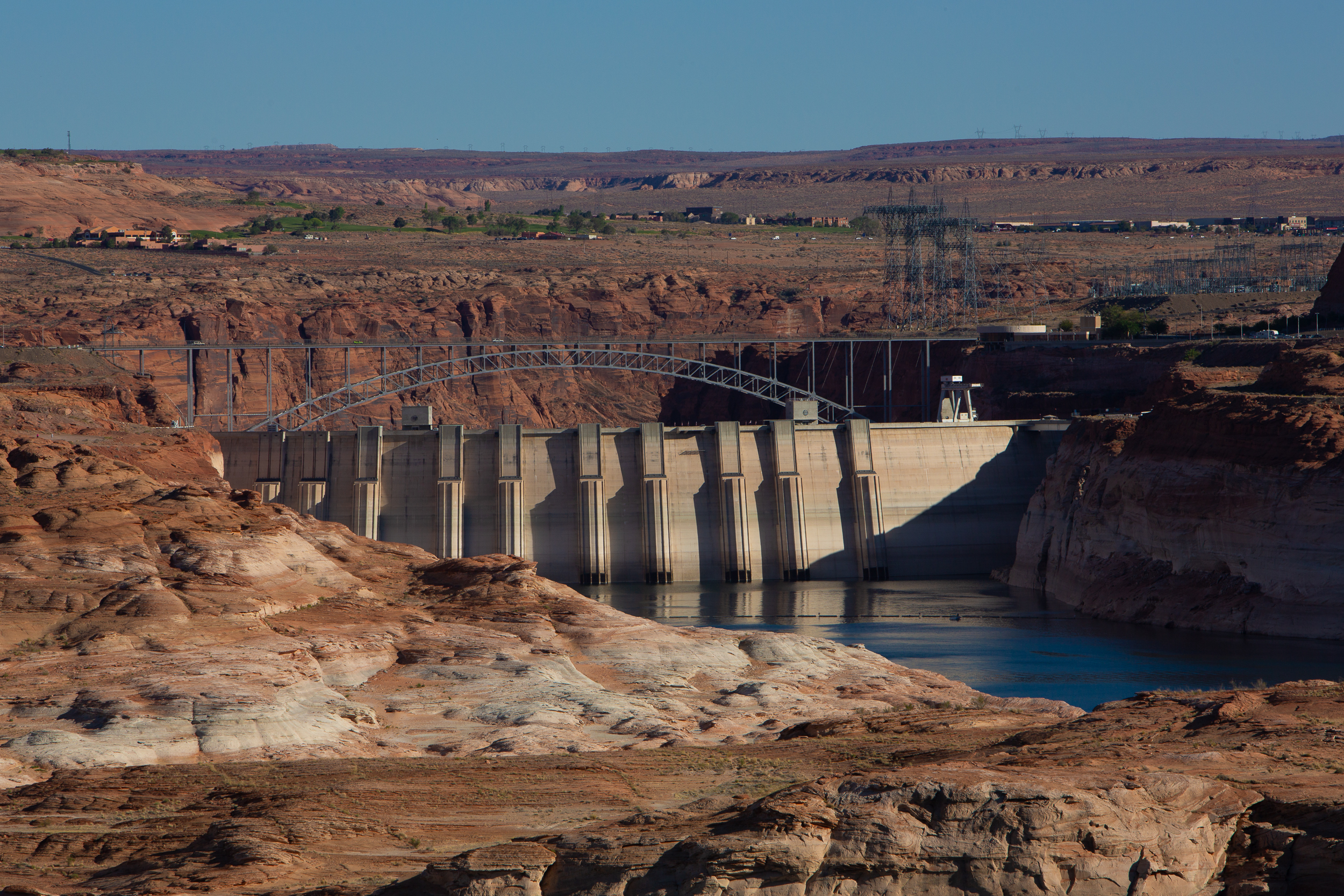
URGENT UPDATE: The Glen Canyon Dam on the Colorado River is facing a critical failure as water levels in Lake Powell plummet dangerously low. This alarming situation has escalated, with officials warning that action is needed before the February 14, 2026 deadline to avert a catastrophic crisis.
As of March 2023, Lake Powell’s water level fell to within 30 feet of the minimum power pool, jeopardizing the dam’s ability to generate electricity for the 25 million people who depend on its water supply. Experts are sounding the alarm: without immediate intervention, the dam could reach a state termed “dead pool,” where no water flows through it at all.
The Bureau of Reclamation, which oversees the dam, has been criticized for insufficient action in the face of years of declining reservoir levels and increasing climate-related challenges. Despite clear warnings from scientists about global warming and severe drought, the agency has failed to implement necessary modifications to the dam’s infrastructure.
“Addressing the infrastructure limitations may be the one long-term measure that would best achieve operation and management improvements to the Glen Canyon Dam,” stated a letter from the Lower Basin states to Interior Secretary Doug Burgum.
Historical mismanagement and design flaws have left the dam vulnerable. Originally designed during a time of plenty, it now faces the consequences of the Colorado River‘s variable flow patterns, which have been exacerbated by climate change. The dam was constructed without adequate capacity to handle both extreme floods and severe droughts, leading to its current perilous state.
Experts are particularly concerned about the dam’s river outlet works, which are the only remaining way to pass water when the turbines cannot operate. These pipes are at risk of failure if used for extended periods, and any significant cavitation could lead to catastrophic damage.
Reservoir levels are not just a regional concern; they impact vast agricultural economies and ecosystems stretching from the Colorado River Basin to the Gulf of California in Mexico. If the situation continues to decline, the fallout could result in severe water shortages and economic turmoil.
The upcoming February deadline is critical. If the involved states—California, Arizona, Nevada, Utah, New Mexico, Colorado, and Wyoming—fail to agree on a sustainable management plan, the federal government may impose its own measures, which none of the stakeholders desire.
As we approach this pivotal date, it is clear that the Glen Canyon Dam requires urgent modifications. A significant overhaul is needed to ensure operations can continue sustainably, safeguarding the river and the millions who rely on its resources.
The clock is ticking, and the window for action is rapidly closing. Without decisive measures now, the Colorado River system—and the communities depending on it—could face an unprecedented crisis.