Iran has expressed a willingness to negotiate with the United States regarding its nuclear program but has firmly rejected the idea of broader discussions at a critical juncture in U.S.-Iran relations. This statement comes as President Donald Trump hints at the possibility of deploying a second aircraft carrier group to the Middle East amid escalating tensions.
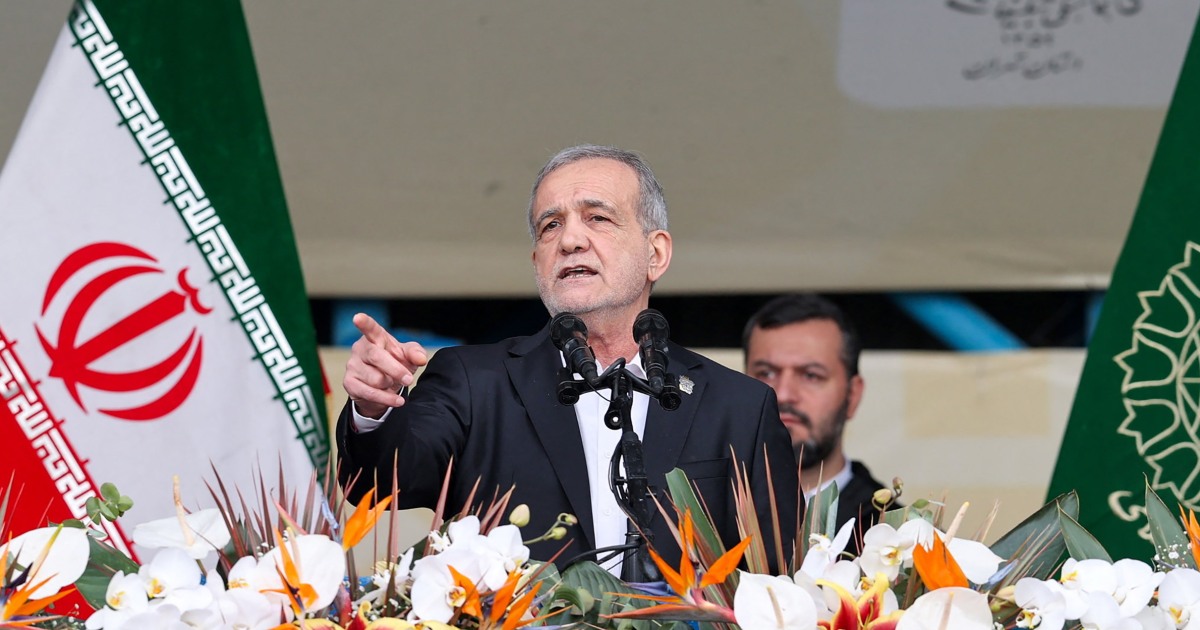
During a speech on February 11, 2024, marking the 47th anniversary of the Islamic Revolution, Iranian President Masoud Pezeshkian emphasized that Iran is not pursuing nuclear weapons and is open to any verification processes. He addressed a large crowd in Tehran, acknowledging the societal unrest in the country and the “great sorrow” caused by the government’s recent crackdown on protests.
According to the Human Rights Activists News Agency, the death toll from the unrest has reached nearly 7,000 people. The organization verifies each death through a network of activists, ensuring the data undergoes multiple internal checks. In contrast, Iran’s government reported an official death toll of 3,117 last month. NBC News has not been able to independently verify these figures.
Trump has previously warned that the U.S. would intervene if the Iranian regime harmed protesters but refrained from launching immediate military actions. Over the past few weeks, the U.S. has been bolstering its military presence in the region, preparing for potential strikes while applying pressure during negotiations. On February 10, 2024, Trump indicated in an interview with Axios that he might send a second aircraft carrier, the USS Abraham Lincoln, to the Persian Gulf, stating, “We have an armada that is heading there and another one might be going.”
The U.S. President has underscored that time is running out for Iran to engage in negotiations for a “fair and equitable deal.” He warned that failure to come to the table could result in facing the force of a “massive armada” of U.S. ships. In response, Iranian officials, including Foreign Minister Abbas Aragchi, have asserted that negotiation with the U.S. is the only path forward.
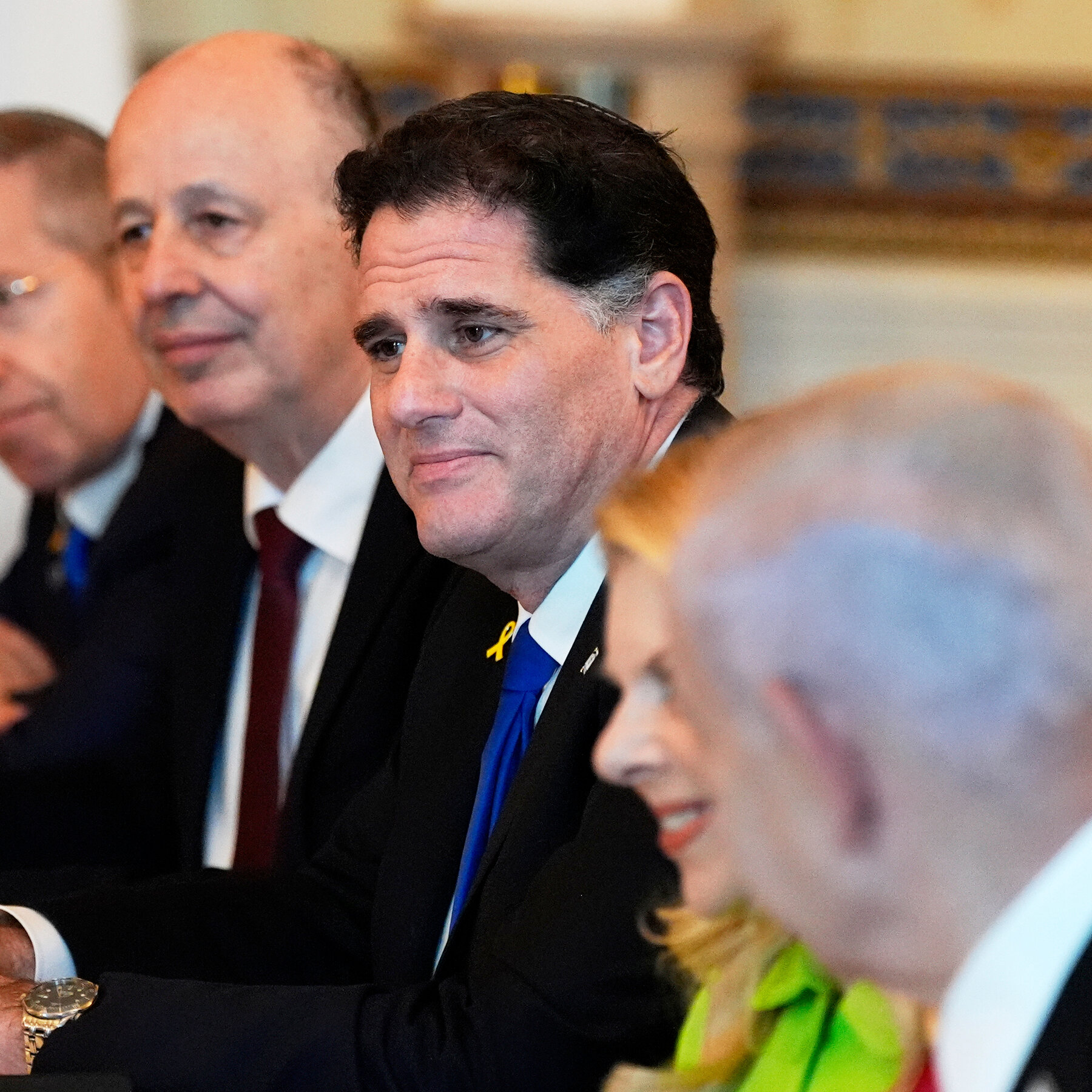
As Trump prepares for a meeting with Israeli Prime Minister Benjamin Netanyahu, there are expectations that Israel will advocate for including Iran’s ballistic missile program in any potential agreement. Netanyahu’s visit to Washington was expedited following initial U.S.-Iran talks in Oman last week. Trump has indicated that a comprehensive deal should not only address Iran’s nuclear capabilities but also its missile arsenal.
Iranian leaders have consistently stated that their missile capabilities are non-negotiable. Ali Shamkhani, an adviser to Iran’s Supreme Leader Ayatollah Ali Khamenei, reiterated this position, stating that Iran’s missile capability must not be part of any discussions. Tensions remain high as Israel has expressed concern over Iran’s missile program expansion, which suffered damage during the twelve-day conflict between the two nations last year.
As diplomatic efforts continue, the potential for further military escalation remains a critical concern for both regional stability and international relations.