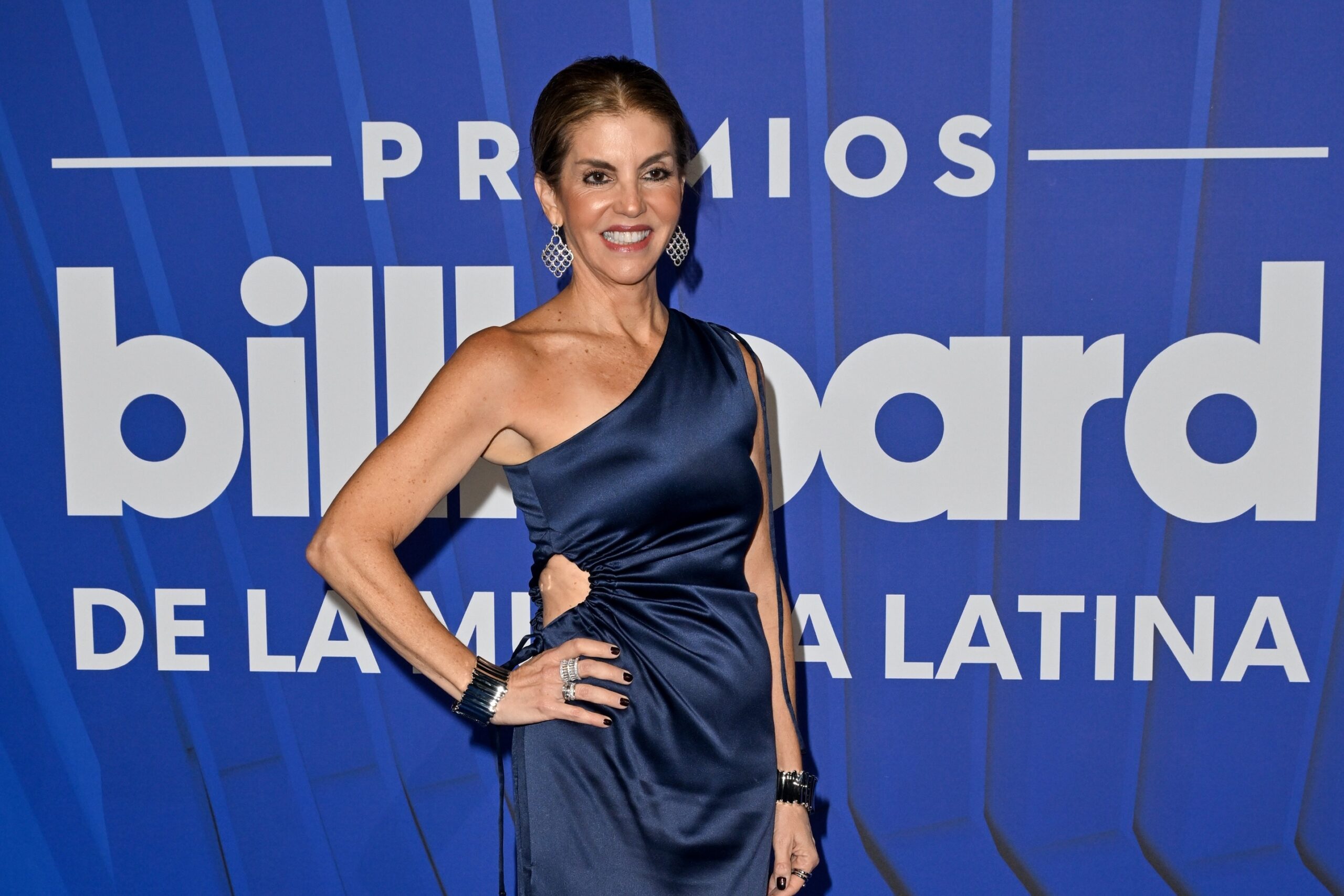
Leila Cobo is shaping the narrative around Latin music’s emergence as a global phenomenon. Recently promoted to Co-Chief Content Officer for Billboard, she is at the forefront of a movement that has transformed what was once seen as a niche genre into a mainstream powerhouse. Her new role, alongside Jason Lipshutz, underscores the growing significance of Latin music within the U.S. and around the world.
Miami’s Cultural Significance
In an interview, Cobo emphasized the importance of her home city, Miami, in this cultural evolution. “Miami is such a Latin city, and it’s a city where Latinos wield influence,” she stated. With major Latin music labels and media networks based in the area, Miami serves as a creative hub that fosters both artistic expression and business opportunities.
Cobo’s journey began with her passion for classical music, but she quickly recognized a gap in the market for Latin music coverage in English. “I grew up listening to this music, I knew it well, and I realized I could contribute,” she explained. Her transition from a critic at the Miami Herald to a prominent figure at Billboard illustrates her commitment to bridging cultural divides.
Under her guidance, Billboard has prioritized coverage of influential Latin artists, including Bad Bunny, long before they reached mainstream acclaim. “We supported him before the world knew him,” Cobo recalled, highlighting the publication’s foresight in recognizing talent.
Breaking Barriers and Expanding Horizons
The significance of Bad Bunny’s upcoming performance at the 2026 Super Bowl reflects a broader acceptance of Latin music in American culture. Cobo noted, “The fact that he performed in Spanish on a stage like that, that’s beautiful,” emphasizing the entertainment aspect rather than a political interpretation. This moment signifies a breakthrough for Latin artists in traditionally mainstream spaces.
Throughout her career, Cobo has faced challenges, particularly in convincing industry leaders of Latin music’s worth. Early on, she recalled witnessing Vicente Fernández fill stadiums while many remained unaware of his impact. Today, her focus is on adapting to a changing media landscape where audiences increasingly prefer video content over traditional writing. Despite this shift, she asserts that “writing is still at the core” of storytelling.
Cobo remains hands-on with initiatives such as Latin Music Week, which she describes as her “baby.” She is also producing a special program titled Latin Women in Music, set to air in April on Telemundo. Additionally, she is laying the groundwork for music-related events during the 2026 World Cup in Miami, illustrating her commitment to intertwining music and sports.
As Cobo reflects on her career, she notes the significance of her presence in Miami while overseeing Billboard’s operations. “Ten years ago, it would’ve been unthinkable to oversee Billboard from Miami,” she stated. “Now, it proves how central Latin music is to the global conversation.” Her journey illustrates the evolving landscape of the music industry, where Latin music continues to gain visibility and influence.
Through her efforts, Cobo has not only shaped the narrative around Latin music but has also contributed to its integration into mainstream culture. “I always thought I would have to move to New York. And now, I can be based in Miami and help oversee all of Billboard,” she concluded, reflecting on the strides made in recognizing the value of Latin music.