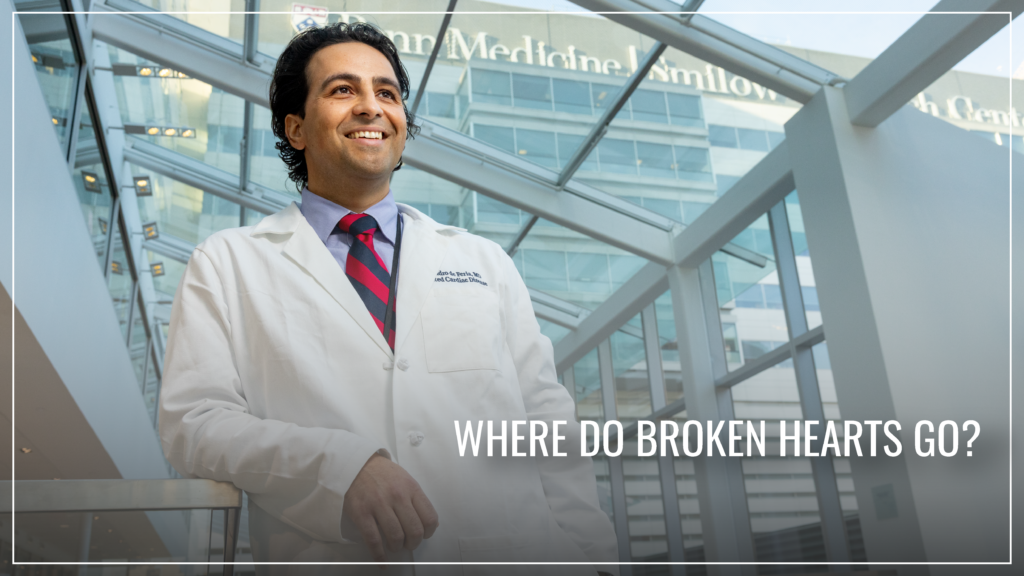
Dr. Alejandro de Feria, a leading cardiologist at the Center for Inherited Heart Disease at the University of Pennsylvania, is reshaping how genetic heart disorders are understood and treated. With a personal history linked to these conditions, de Feria combines advanced medical knowledge with empathy to support patients and their families navigating complex health challenges.
From Personal Experience to Professional Dedication
Genetic heart disease has emerged as a significant field of study, especially since the completion of the Human Genome Project in 2003. This milestone has paved the way for innovative treatments and a deeper understanding of heart conditions that were once poorly understood. For de Feria, this journey is not merely academic; it is deeply personal. At the age of 15, he witnessed his brother’s struggle with hypertrophic cardiomyopathy (HCM), the most prevalent genetic heart disease.
Growing up in small-town Georgia, de Feria’s family faced tremendous challenges accessing specialized cardiac care, often driving over an hour to see a cardiologist in Atlanta. Reflecting on his childhood, he states, “We used to drive an hour and a half to see a heart doctor in Atlanta. It was especially frustrating when I was a kid. I think it makes a difference as a provider when you can personally understand how intimidating long-awaited medical visits can be.”
His experiences inform his approach to patient care, allowing him to engage with individuals facing daunting health decisions, from discussing implantable defibrillators to planning for family health histories.
Understanding and Treating Genetic Heart Disorders
According to the U.S. Centers for Disease Control and Prevention, nearly 700,000 individuals die from heart disease annually, and having a family history of heart disease significantly increases these risks. De Feria focuses on hereditary conditions, including both dilated cardiomyopathy and HCM, which can lead to heart failure. While the genetic predisposition for these disorders can be present at birth, symptoms often remain dormant until adolescence or adulthood.
“Hypertrophic cardiomyopathy affects about one in 500 people,” de Feria explains. “It’s common enough that everyone knows someone who has it, whether they realize it or not.” Historically, treatments for these conditions were adapted from other areas of cardiology and offered only moderate effectiveness.
Today, de Feria’s work encompasses a range of services, including clinic visits, hospital care, and participation in clinical trials for targeted therapies and gene-based treatments. “I used to have to offer patients open-heart surgery to fix a problem, but now we have targeted medicines and catheter-based procedures,” he notes.
As gene therapy becomes increasingly viable, de Feria is optimistic about the future of treatment in this field, envisioning a shift from merely managing disease complications to potentially offering cures.
Addressing the emotional aspect of receiving a genetic diagnosis, de Feria emphasizes the importance of fostering a supportive environment. “Many young people struggle with accepting a diagnosis, especially when it’s genetic,” he says. “They’ve seen other people in their family deal with serious issues, and they think, ‘That’s not me. I’m not going to have that.’ I want people to know that even though it’s scary, plenty of people live with these conditions and can have good lives.”
As he continues to advocate for patients, de Feria’s commitment to improving health outcomes is evident. His approach is underscored by a focus on quality of life, even for those who develop serious conditions. He recalls a time when children with HCM faced restrictions on physical activity. “In the early 2000s, exercise for kids with HCM was restricted to bowling or golfing with a cart,” he remembers. “Now there are professional athletes who have these conditions and continue to play.”
His hope is that advancements in detection and treatment will empower families to alter their health trajectories for generations to come.