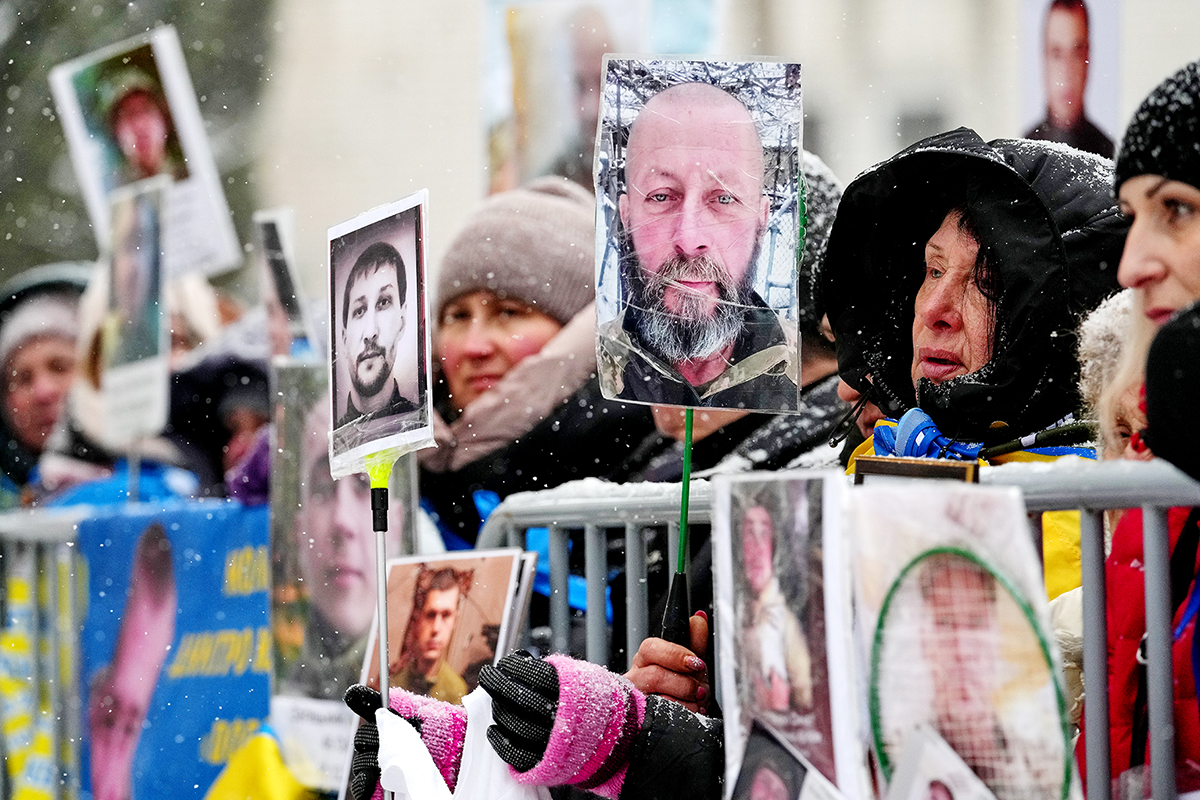
The ongoing war in Ukraine, ignited by Russia’s invasion in February 2022, has irrevocably altered the country’s landscape and psyche. As the conflict drags on, soldiers and civilians alike grapple with the uncertainty of how it will conclude. According to Captain Mykola Serga, who previously worked as an entertainer, the uncertainty about the future weighs heavily on the minds of the troops. He paraphrased Viktor Frankl, stating, “The first to break were those who believed it would all end soon, just like those who thought it would never end. The ones who endure are those who focus on the work at hand.”
Frankl’s book, “Man’s Search for Meaning,” has gained popularity as a source of inspiration among Ukrainian soldiers, reflecting the need for resilience in the face of adversity. The war has become a part of daily life in Ukraine, and the acceptance that external help may not be forthcoming has shifted the national mood from despair to determination.
In the early days of the invasion, ordinary life was abruptly interrupted, and Ukrainians were filled with a sense of urgency, expecting global support. Over time, the harsh reality set in: outside assistance is limited, with many nations focusing on their own security needs as tensions with Russia escalate. Recent statements from former President Donald Trump indicate his desire for a swift resolution to the conflict, regardless of the terms, further highlighting the complexities surrounding international support.
As the conflict continues, there is a palpable shift towards self-reliance among Ukrainians. The military, while stretched thin, has become one of the most battle-hardened forces in Europe. The juxtaposition of advanced technology like unmanned drones alongside traditional trench warfare reflects the unique nature of this conflict, which combines elements of both past and present.
During a recent visit near the front lines, I observed the resourcefulness of Ukrainian forces. Vehicles were outfitted with makeshift defenses to evade Russian drone surveillance. I spent a night with the Code 9.2 Assault Regiment, where soldiers operate sophisticated drones capable of carrying significant payloads. One soldier, known by the call sign Legat, shared that he abandoned his studies in international law because he lost faith in the effectiveness of such frameworks in the face of aggression.
In another encounter, I met Pavlo Vyshebaba, a Junior Sergeant who integrates robotic systems into his mortar unit. He described how these technologies have transformed operations, allowing for better defense and tactical advantages. The integration of modern warfare techniques is not merely about survival; it reflects a strategic approach aimed at neutralizing Russian capabilities.
Former Defense Minister Andriy Zagorodnyuk articulated Ukraine’s military strategy as “strategic neutralization.” This approach focuses on minimizing Russian effectiveness and inflicting significant losses, thereby making the conflict less appealing for the Kremlin. The stark difference in military philosophy between the two nations is evident. While Russia employs a “meat grinder” tactic, sending waves of soldiers into battle despite heavy losses, Ukraine prioritizes efficiency and the preservation of life.
The war’s toll has become a grim reality for many. In Nikopol, a city near the contested Zaporizhzhia nuclear plant, I spoke with crane operator Yevhen Bilousov. He remarked that the question of when the war will end is irrelevant; it is the manner of its conclusion that matters most. This sentiment underscores a broader understanding among Ukrainians: the conflict is not a cinematic spectacle; it is a harsh reality that will persist until a definitive resolution is reached.
As the war continues to evolve, the resilience of the Ukrainian people and their military remains a powerful testament to their commitment to sovereignty and survival. The search for a meaningful conclusion to this conflict is not just about territorial integrity; it is about the fundamental right to live free from aggression. The world may observe from a distance, but for Ukrainians, the fight is deeply personal and far from over.