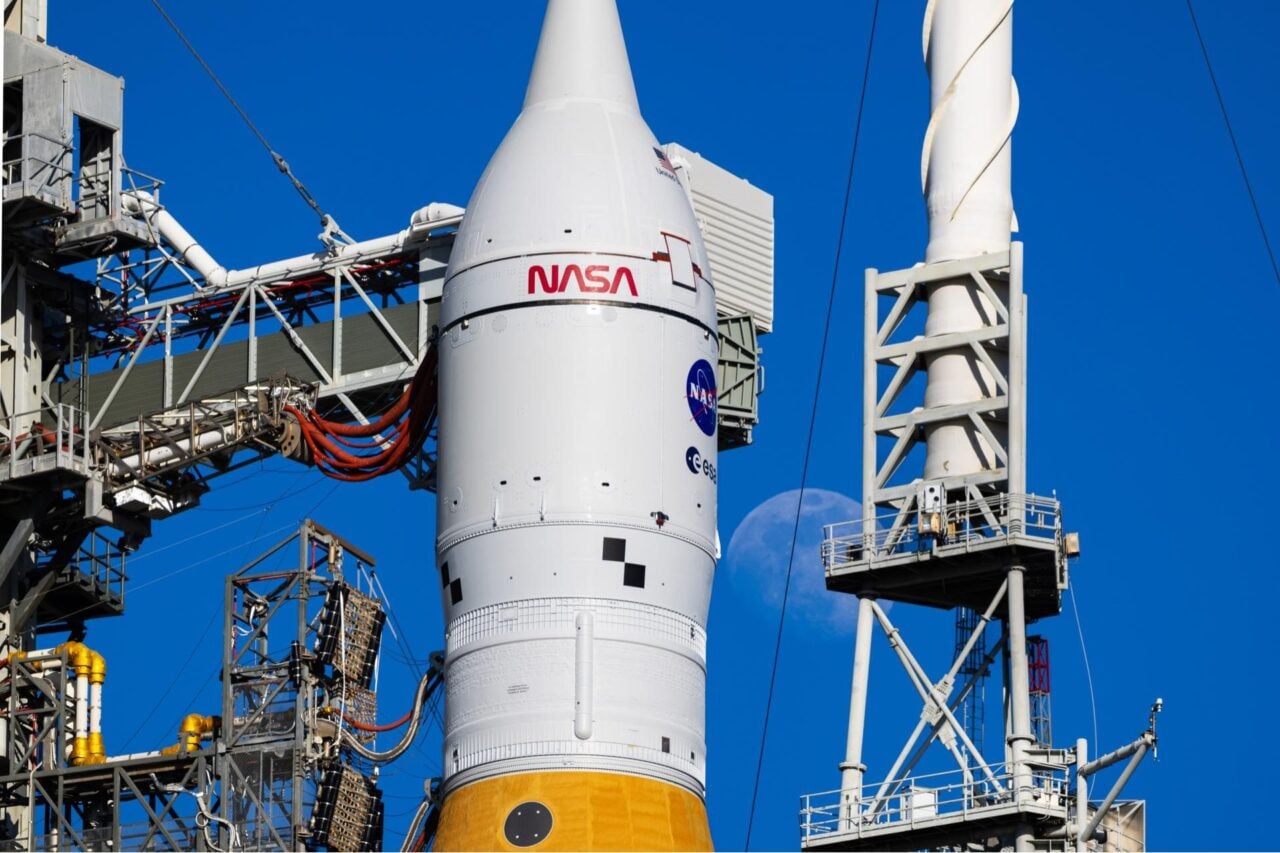
NASA is moving forward with preparations for the Artemis 2 mission, despite facing technical challenges reminiscent of the delays experienced with Artemis 1. A crucial wet dress rehearsal is scheduled for March 7, 2024, which will test the fueling procedures for the Space Launch System (SLS) rocket. This rehearsal comes after the first attempt on February 3 was cut short due to a hydrogen leak in the tail service mast umbilicals.
Following that initial setback, NASA engineers replaced two seals in the tail service masts and conducted a confidence test on February 12. Unfortunately, this test also faced complications when ground support equipment malfunctioned, preventing the complete filling of the SLS core stage with liquid hydrogen. Despite these issues, NASA Administrator Jared Isaacman noted that the agency was able to collect valuable data, observing lower hydrogen leak rates compared to the earlier rehearsal.
Isaacman acknowledged the challenges inherent in the Artemis 2 preparations, stating, “Considering the issues observed during the lead-up to Artemis I, and the long duration between missions, we should not be surprised there are challenges entering the Artemis II campaign.” The agency is aiming for a launch window between March 6 and March 11, 2024, for Artemis 2’s liftoff.
Technical Challenges Persist
The history of hydrogen leaks has been a significant concern for the SLS program. Liquid hydrogen is a complex fuel to manage due to its extremely low temperature of -423 degrees Fahrenheit (-253 degrees Celsius), which can make components brittle and prone to cracking. The leaks observed during the Artemis 2 rehearsal occurred in the same area as those that delayed the Artemis 1 mission, contributing to extended timelines as the rocket had to be returned to NASA’s Vehicle Assembly Building multiple times.
During the rehearsal, teams perform a series of fueling and countdown procedures without igniting the rocket. This includes loading both the core and upper stages with cryogenic propellants, which are critical for the mission’s success. Lori Glaze, acting associate administrator of NASA’s Exploration Systems Development Mission Directorate, emphasized the lessons learned from Artemis 1, stating, “We really did learn a lot from the Artemis 1 mission, and we implemented a lot of the lessons learned yesterday through wet dress.”
In the latest efforts to address the hydrogen leak, technicians replaced a filter within the ground support equipment, which they believe contributed to the reduced flow of liquid hydrogen during testing on February 12. Although the partial fueling test encountered its own challenges, sufficient data was gathered to justify another rehearsal this week.
The Importance of Artemis 2
The significance of the Artemis 2 mission cannot be overstated. It marks the first crewed launch of the SLS and Orion spacecraft, set to return astronauts to the vicinity of the Moon for the first time since the Apollo era. The success of this mission is vital as it lays the groundwork for Artemis 3, which aims to land humans on the lunar surface.
NASA is under pressure to expedite the Artemis 2 launch due to increasing competition in lunar exploration, particularly from China. The agency is committed to ensuring safety and thorough preparation before proceeding, recognizing the stakes involved with human lives at risk.
Following the upcoming wet dress rehearsal, clearer timelines for Artemis 2’s launch should emerge, providing insights into the next steps for NASA as it prepares for this historic mission.