The recent reduction in Colorado’s snowpack has ignited discussions regarding its implications for the future of the state’s climate and skiing industry. In a three-part series titled “Endangered Snowpack,” published by the Denver Post from February 15 to 17, concerns were raised about the impact of climate change on ski resorts. Critics, however, argue that this narrative may overlook important context and historical data.
Letters to the editor have voiced skepticism about the notion that reduced snowpack is a definitive sign of long-term climate change. William Turner from Denver pointed out that the past five years have shown typical snowfall and temperatures. He also referenced the extreme cold and snowfall experienced in the eastern United States, which led to over 100 fatalities this season. Turner questioned whether the Denver Post is conflating weather variability with climate change, suggesting that a broader analysis is necessary for an accurate understanding of the situation.
In a related letter, John Contino from Golden criticized the lack of historical snowfall data in the Post’s reporting, particularly in reference to projections for ski resort operations in 2050 and 2090. He argued that without a comparative analysis of past snowfall, predictions about the future lack validity. “Any valid attempt to predict future snowfall is meaningless if it fails to include statistics on snowfall from previous years,” Contino stated.
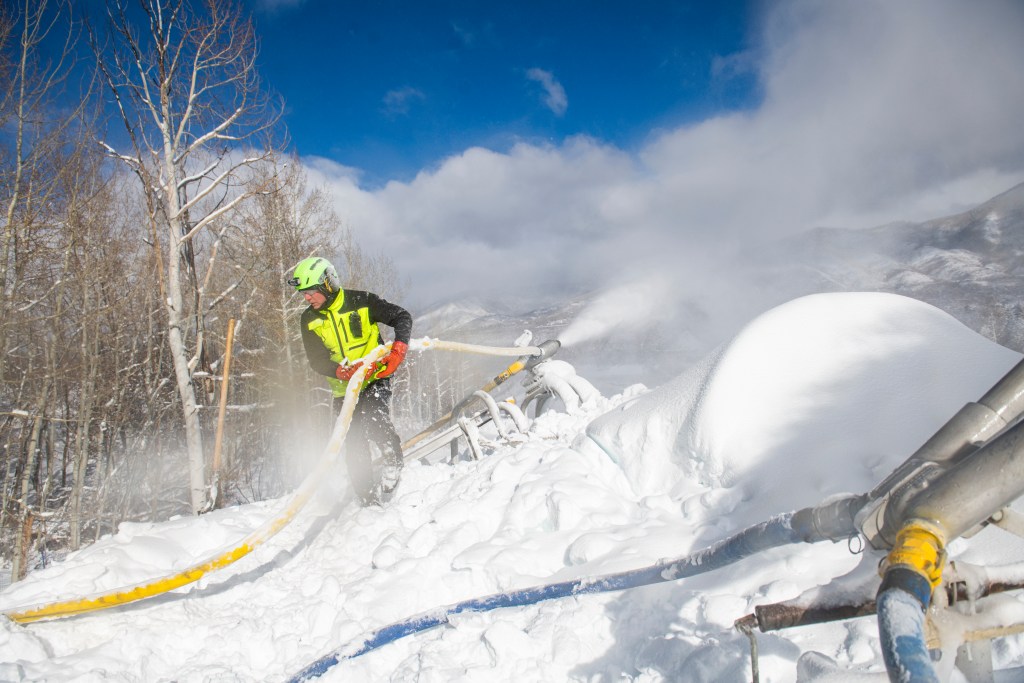
The conversation about water rights and climate impact extends beyond snowfall. Richard Emerson, also from Denver, highlighted the critical nature of ongoing negotiations over Colorado River water distribution amid the state’s water shortages. He noted that the ski industry relies heavily on this water for snowmaking. As tensions grow between Upper and Lower Basin states, Emerson expressed concern that Colorado’s political landscape could complicate its water rights and future water access.
In another perspective, Lynn Granger addressed energy policy in Colorado, suggesting that the state is framing energy decisions as moral choices rather than as systemic challenges. Granger emphasized the need for responsible energy practices in light of climate change impacts, while Chris Hoffman countered by arguing that both moral and systemic aspects must be considered in policy decisions. He noted Colorado’s advancements in clean energy, citing that the state recently surpassed California in electric vehicle sales, with 25.3% of new sales in 2024 being electric.
The role of pets during challenging times has also featured in recent discussions. A letter from Craig Marshall Smith reflected on the comfort provided by dogs during the pandemic, underscoring their importance in human lives, especially amid social and political turmoil.
As Colorado faces environmental and social challenges, the dialogue continues around the implications of reduced snowpack, water rights, and energy policies. The state’s response to these issues will likely shape its future sustainability and resilience in the face of changing climatic conditions.
Overall, the discourse reflects a broader struggle to balance climate realities with historical perspectives, resource management, and societal needs. As stakeholders navigate these complex issues, the outcomes will have lasting impacts on Colorado’s environment and economy.