The research tool NotebookLM has gained recognition for its robust capabilities when supplied with well-organized information. Users report that it excels at processing structured documents, weblinks, and notes, transforming them into easily digestible formats such as summaries and mind maps. However, its effectiveness diminishes significantly when handling unstructured or chaotic materials, which can hinder productivity.
Strengths of NotebookLM in Structured Environments
When users input a comprehensive collection of organized resources, NotebookLM demonstrates its full potential. The software seamlessly synthesizes data, allowing users to extract relevant information effortlessly. This functionality is particularly beneficial for researchers and students who require clarity and organization in their studies. By presenting material in a coherent manner, NotebookLM not only enhances understanding but also saves time for its users, making it a preferred choice for many in academic and professional settings.
Many users appreciate the ability of NotebookLM to reframe content, presenting it in various formats that cater to different learning styles. The integration of mind maps and summaries into the workflow allows for a more dynamic engagement with the material. As a result, those who utilize organized data find themselves able to work more efficiently, leading to improved outcomes in their research endeavors.
Challenges with Disorganized Notes
Despite its strengths, NotebookLM encounters significant limitations when faced with disorganized or incomplete notes. Users have reported that when input materials include scattered drafts or half-finished projects, the system becomes less cooperative. This issue can lead to frustration, as researchers may find themselves unable to access the necessary information quickly or effectively.
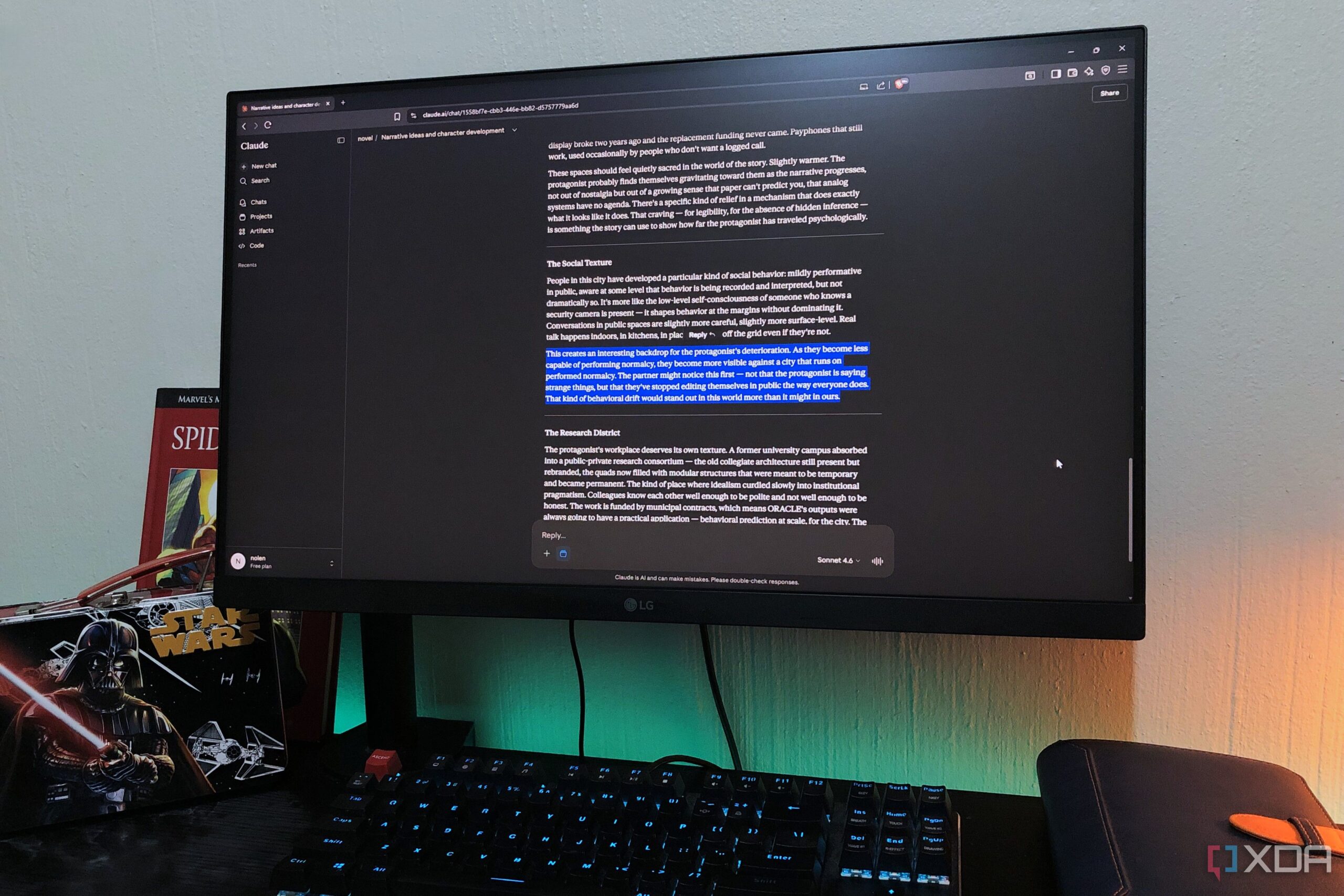
In contrast, Claude, another research tool, appears to handle disorganized notes more adeptly. Its design allows for better management of incomplete or chaotic data, giving it an edge over NotebookLM in scenarios where users need to work with unstructured information. This includes situations where notes are not fully fleshed out or where various projects overlap, creating confusion.
For many users, the choice between NotebookLM and Claude may come down to the nature of their work. Those who consistently produce organized documentation may prefer NotebookLM for its superior capabilities in synthesizing clear and coherent information. Conversely, individuals who frequently deal with disarrayed notes may find Claude to be a more suitable option.
In conclusion, while NotebookLM stands out as a powerful tool for research when provided with organized materials, its limitations become apparent in less structured environments. Users are encouraged to consider the nature of their research needs when selecting a tool, as the effectiveness of these technologies can vary significantly based on the organization of the input data.