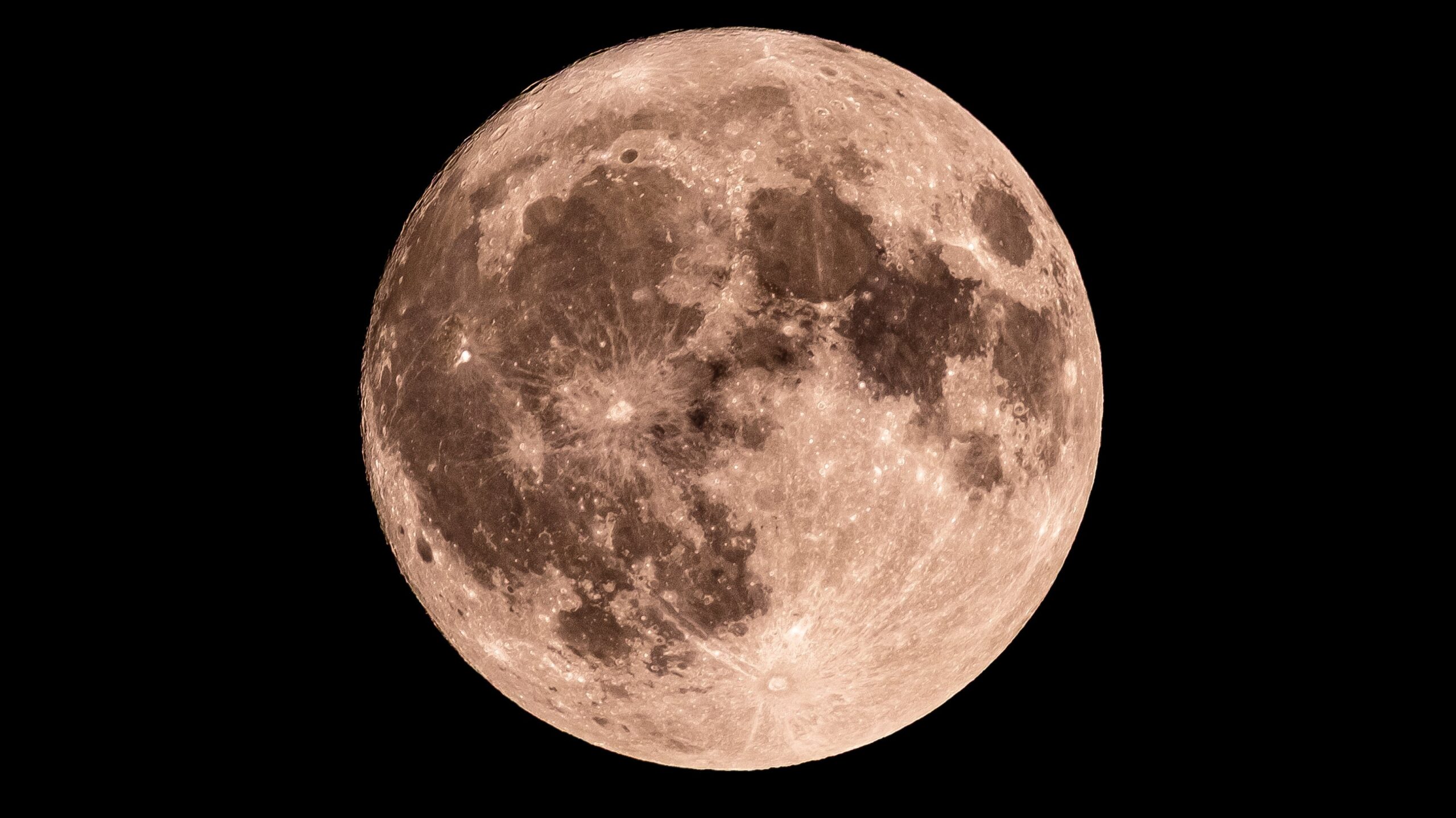
As of March 1, 2024, the Moon is in its Waxing Gibbous phase, displaying approximately 94% illumination. While it may seem fully lit, the actual Full Moon will occur in just a couple of days, on March 3. This evening presents a prime opportunity for stargazers to observe various features on the lunar surface with the naked eye, as well as through binoculars or telescopes.
Viewing the Moon’s surface reveals notable landmarks including the Mares Imbrium and Crisium, along with the prominent Tycho Crater. For those equipped with binoculars, the Mares Nectaris and Frigoris can also be spotted, alongside the Endymion Crater. Telescope owners can explore even more details, such as the landing sites of the Apollo 15 and Apollo 17 missions, as well as the Schiller Crater.
Understanding Moon Phases
The Moon orbits the Earth approximately every 29.5 days, transitioning through eight distinct phases known as the lunar cycle. This cycle dictates how we perceive the Moon’s brightness and shape from our vantage point on Earth. The phases range from the invisible New Moon to the fully illuminated Full Moon.
The phases are categorized as follows:
– **New Moon**: The Moon is positioned between the Earth and the sun, rendering it invisible.
– **Waxing Crescent**: A small sliver of light appears on the right side.
– **First Quarter**: Half of the Moon is illuminated on the right side.
– **Waxing Gibbous**: More than half is lit, but it has not reached full illumination.
– **Full Moon**: The entire face of the Moon is visible and fully illuminated.
– **Waning Gibbous**: Light begins to diminish from the right side.
– **Third Quarter**: Another half-Moon, but illuminated on the left side.
– **Waning Crescent**: A thin sliver of light remains on the left before the cycle restarts.
According to NASA’s Daily Moon Guide, the Waxing Gibbous phase provides an exciting opportunity for both amateur and seasoned astronomers alike. Viewing conditions may vary depending on weather and light pollution, but tonight’s Moon promises to be a stunning sight.
As the lunar cycle continues, the excitement builds for the upcoming Full Moon on March 3, which will showcase the Moon in its most brilliant form. Whether observing with the naked eye or through advanced equipment, the Moon remains a captivating subject for exploration and admiration.