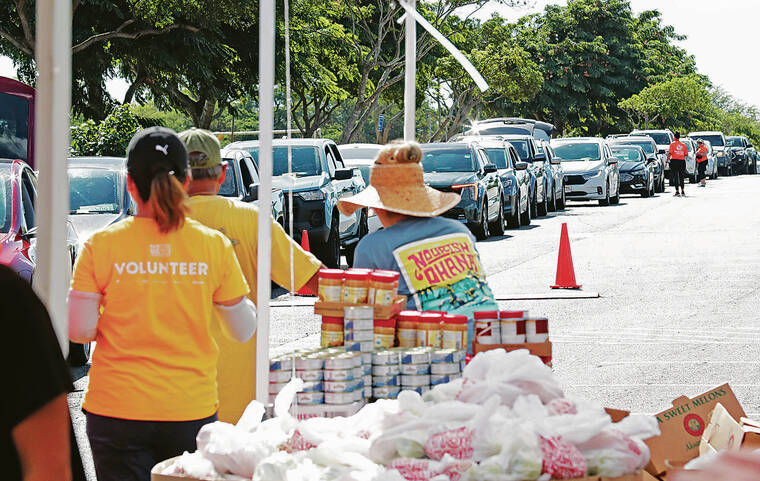
Across Hawaii, an alarming affordability crisis is affecting nearly one in three households, leaving many struggling to secure enough food. This situation has escalated into a significant hunger crisis, exacerbated by soaring living costs, reductions in essential nutrition support, and food systems that fail to serve all community members effectively. Families are facing tough decisions, with parents juggling multiple jobs and skipping meals to provide for their children, and elderly residents on fixed incomes forgoing healthy food to afford necessary medications.
Legislative Action Needed to Combat Hunger
The demand at food banks across the state remains at pandemic levels, indicating a pressing need for immediate intervention. According to the Hawai‘i Hunger Action Network, a coalition of advocates and service providers, this legislative session presents a critical opportunity to address the hunger crisis. The network emphasizes that tackling hunger requires a multifaceted approach, rather than a single solution. Lawmakers are urged to prioritize three key initiatives to enhance food security for all residents.
First, expanding access to the Supplemental Nutrition Assistance Program (SNAP) is essential. Although SNAP has proven effective in reducing hunger, many residents still encounter barriers to enrollment. Two proposed bills aim to bridge these gaps. House Bill 1518 would facilitate SNAP enrollment for individuals before their release from incarceration, enabling them to purchase food immediately upon reentry. Meanwhile, Senate Bill 3245 seeks to streamline access for older adults through the Elderly Simplified Application Project (ESAP), reducing paperwork and extending certification periods to prevent unintended loss of benefits.
Second, investment in local agriculture through the Farm to Families program is crucial. Hawaii’s reliance on imported food comes at a significant cost, both economically and health-wise. House Bill 2208 proposes funding for food banks to purchase directly from local farmers, which not only supports Hawaii’s agricultural sector but also ensures families receive fresh, nutritious food rather than solely relying on non-perishable items.
Finally, guaranteeing universal free school meals represents a vital step toward ensuring that all children have access to adequate nutrition. Building on last year’s initiatives under Senate Bill 1300, House Bill 1779 aims to provide free meals to all public school students by the 2029-30 academic year. This legislation would ensure that every child receives breakfast and lunch, regardless of their family income. Additionally, House Bill 1561 would extend eligibility to students attending public charter schools, closing existing gaps in coverage.
Community Support and Legislative Responsibility
Hunger in Hawaii is not an inevitable outcome; it results from specific policy choices. By implementing more effective policies, legislators can significantly mitigate food insecurity in the state. The coalition of anti-hunger advocates is united in their call for change, emphasizing that the time for action is now.
The community is already doing its part to support those in need. However, it is vital that leaders respond with the urgency this crisis demands. As noted by advocates such as Daniela Spoto, deputy director of Hawaiʻi Appleseed, and Elia Herman, advocacy director at Hawaiʻi Food Bank, there is an immediate need for comprehensive strategies that ensure all residents have enough to eat.
With collaborative efforts and legislative commitment, Hawaii can move closer to a future where hunger no longer poses a threat to its communities.