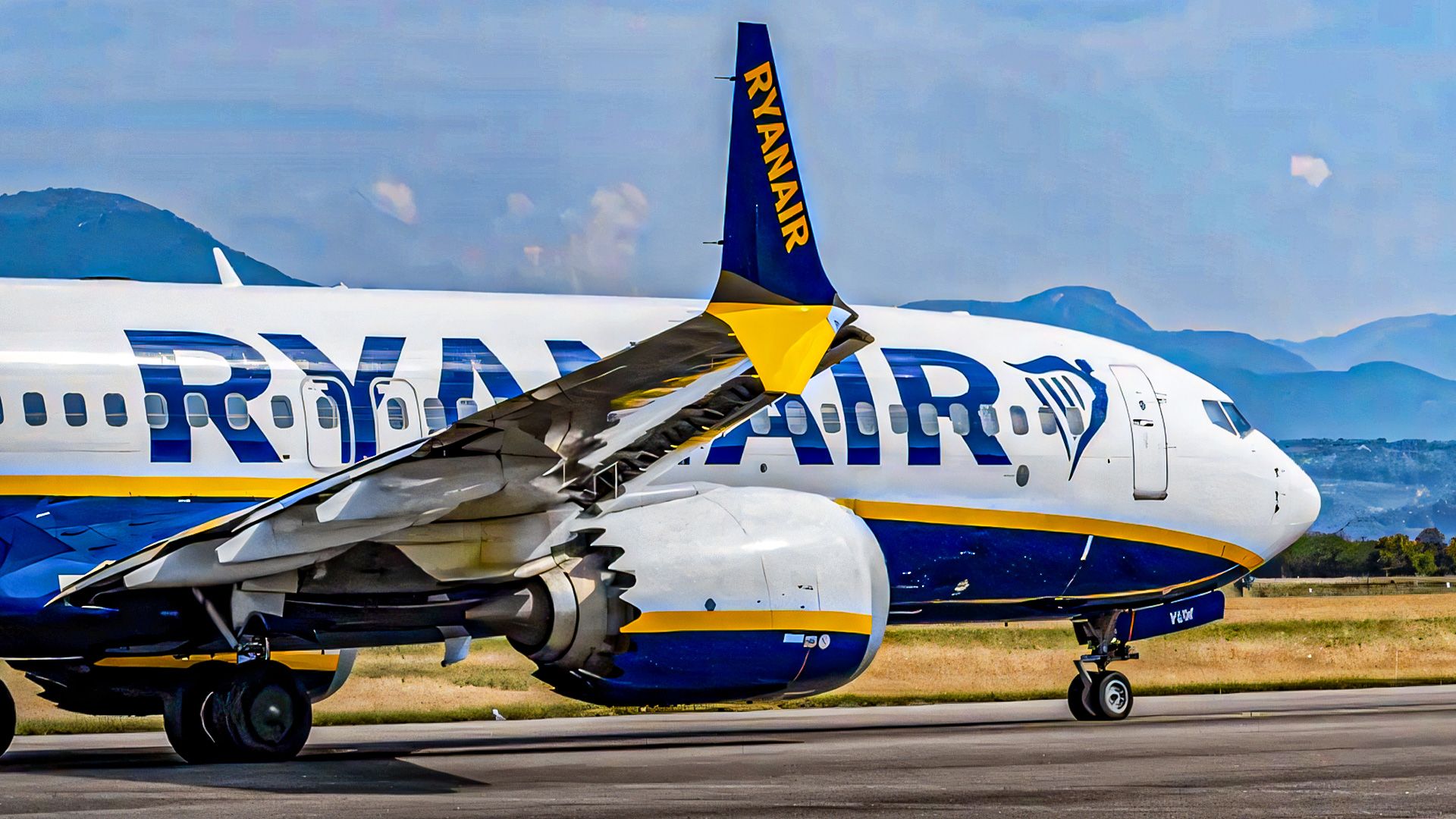
Ryanair plans to enhance its operational capacity significantly with the introduction of the Boeing 737 MAX 8-200 in 2026. The low-cost airline expects its fleet to reach a total of 206 MAX 8-200 aircraft by the end of February 2026, as the final deliveries are scheduled to arrive shortly. This rollout is crucial for Ryanair, as it aims to optimize costs and expand its network, particularly during peak travel seasons.
As of December 31, 2025, Ryanair’s fleet consisted of 643 aircraft, and the incorporation of the MAX 8-200 variant is central to its growth strategy. The airline has projected an increase in flights using this model, capitalizing on its lower per-seat costs and enhanced revenue potential. The upcoming summer season will provide insights into how Ryanair integrates this aircraft into its flight schedules.
Maximizing Efficiency and Expanding Routes
The Boeing 737 MAX 8-200, often referred to as the “Gamechanger,” is specifically designed for low-cost carriers, allowing them to increase seat capacity without moving to larger aircraft. With a configuration that includes 197 seats, Ryanair’s version of the MAX 8-200 is optimized for high-density operations, providing the economics essential for short-haul routes.
Ryanair’s Chief Executive Officer, Michael O’Leary, emphasized that the deployment of these aircraft is not merely a statistic; it represents a significant driver for the airline’s scheduling and growth ambitions. Ryanair has announced plans for 106 new routes for summer 2026, a move closely linked to the timely delivery of the MAX 8-200 models. The airline’s ability to expand its operations will be closely monitored, as it seeks to balance demand with the logistical challenges of incorporating new aircraft into its already busy schedule.
According to Cirium Aviation Analytics, Ryanair is set to operate approximately 350,411 flights with the MAX 8-200 in 2026, translating to over 69 million seats available. This operational scale highlights the importance of this aircraft in Ryanair’s portfolio, as it aims to enhance its competitive edge in the European market.
Strategic Advantages of the Boeing 737 MAX 8-200
For Ryanair, the introduction of the MAX 8-200 is pivotal in maintaining and expanding its cost advantage in the aviation sector. The aircraft allows the airline to spread fixed costs—such as crew, airport charges, and ownership—over a larger number of passengers, which is essential in competitive markets. This model supports Ryanair’s strategy of offering lower fares while keeping profit margins intact.
The MAX 8-200 is equipped with advanced fuel-efficient technology, which Ryanair leverages to minimize operational costs. The airline has reiterated the benefits of lower fuel consumption and reduced noise emissions on a per-seat basis, which are increasingly important in an era of heightened environmental awareness.
Moreover, the MAX 8-200 integrates seamlessly into Ryanair’s existing fleet, maintaining operational commonality and reducing the need for extensive retraining of staff. This commonality is a critical factor for Ryanair as it navigates the complexities of the European aviation market, particularly in congested airports where slot availability is limited.
Ryanair’s use of the MAX 8-200 is not restricted to short-haul flights; it also extends to leisure routes connecting the UK with popular destinations across Europe. This versatility allows the airline to optimize its operations further, demonstrating the aircraft’s role in enhancing overall network performance.
In summary, the Boeing 737 MAX 8-200 is set to play a crucial role in Ryanair’s future growth strategy. As the airline prepares for an influx of these aircraft, it is poised to leverage their capabilities to strengthen its market position. With the anticipated delivery of the final units, Ryanair will be well-equipped to meet rising demand and continue its trajectory of low-cost travel across Europe.