Research from a collaboration involving University Hospitals, Case Western Reserve University, and the Louis Stokes Cleveland VA Medical Center has revealed an experimental drug that may offer protection against the damaging side effects of whole brain radiotherapy. This treatment, while effective at combating cancer that has metastasized to the brain, often leads to significant cognitive decline and mood disorders in patients.
The findings, published in the journal Redox Biology, stem from a study led by the Pieper Laboratory at the Harrington Discovery Institute. The laboratory aims to uncover critical biological insights into neurodegeneration associated with various conditions, including Alzheimer disease, Parkinson disease, and other cognitive disorders.
The team, under the direction of Dr. Andrew Pieper, who is also the neuropsychiatry chair at University Hospitals, found that the experimental drug, known as P7C3-A20, may help preserve cognitive function and mood without diminishing the effectiveness of radiation therapy. Dr. Pieper is also the director of the Brain Health Medicines Center at the Harrington Discovery Institute and co-founder of Glengary Brain Health, Inc., a company focused on advancing this innovative therapy.
Key Findings from Animal Study
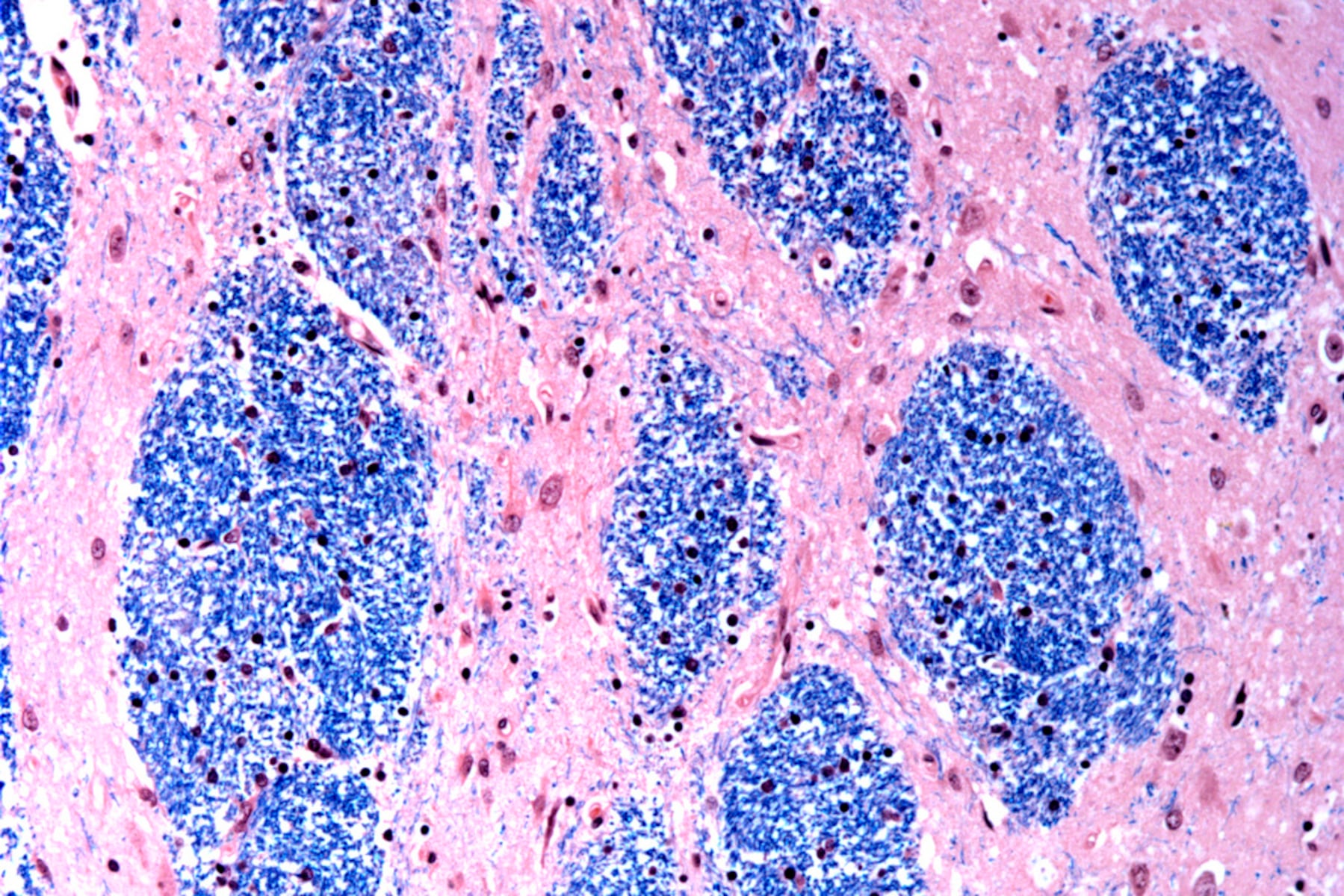
In the conducted experiment, mice undergoing whole brain radiotherapy exhibited significant damage to the hippocampus, a critical area for learning, memory, and emotional regulation. This damage resulted in long-lasting issues, including memory loss and signs of depression that persisted for up to one year.
According to Edwin Vázquez-Rosa, an assistant professor of psychiatry in the Pieper Lab and the lead author of the study, “Daily treatment with P7C3-A20 prevented hippocampal damage, as well as cognitive impairment and depression-like activity in the mice.” These promising results indicate that the drug could play a crucial role in enhancing the quality of life for patients who undergo whole brain radiotherapy.
Researchers now plan to explore additional aspects of this experimental drug. Upcoming studies will investigate the effects of varying radiation schedules and doses, as well as determining the optimal timing for administering the drug following radiation treatment.
The implications of these findings are significant, as they suggest a potential method to mitigate one of the most distressing side effects of cancer treatment. If proven effective in human trials, P7C3-A20 could represent a transformative advancement in supportive care for cancer patients.