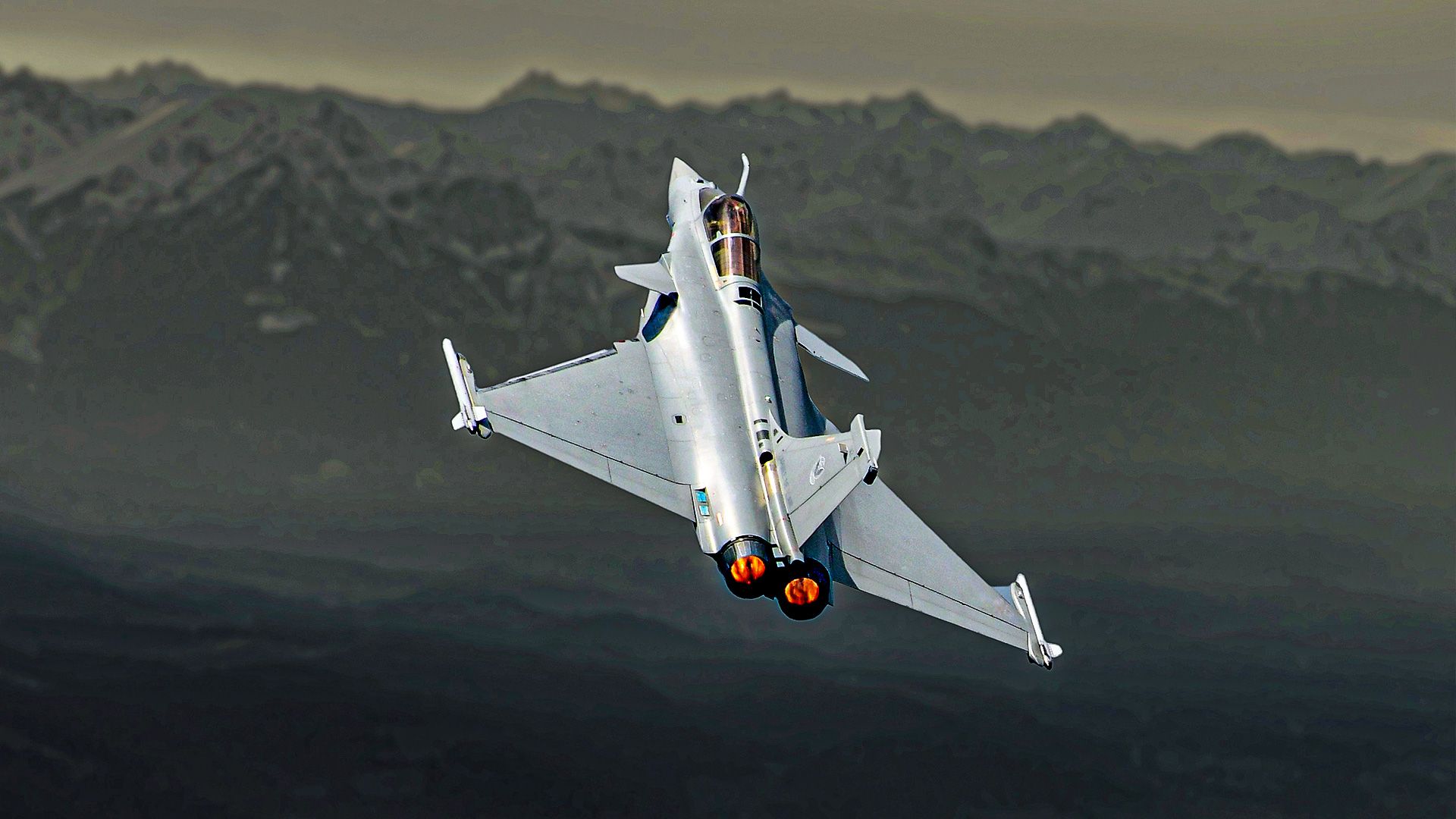
The Eurofighter Typhoon, a leading swing-role combat aircraft, is posing a significant challenge to Lockheed Martin, particularly its F-35 Lightning II program, which has largely dominated the global fighter jet market. Recent developments highlight the Typhoon’s resilience and modernization efforts, raising concerns within Lockheed Martin about its future market position.
The Eurofighter Typhoon is a collaborative project involving four European nations: the United Kingdom, Germany, Italy, and Spain. This multinational partnership has enabled the Typhoon to benefit from shared technological advancements and defense strategies. As of March 2024, the Typhoon has been upgraded to enhance its capabilities, making it more competitive against the F-35.
One of the Typhoon’s strengths is its adaptability in various combat roles. Originally designed as an air superiority fighter, it has evolved to perform a range of missions, including ground attack and reconnaissance. This transformation aligns with the growing demand for multipurpose aircraft in modern warfare. The Typhoon’s versatility is further complemented by its advanced avionics and sensor systems, enhancing its operational effectiveness.
Lockheed Martin’s F-35 program has seen substantial investment, with over $400 billion allocated for development and production. Despite this financial backing, the Typhoon’s continued modernization efforts could threaten the F-35’s market share. Recent reports indicate that several countries are considering the Typhoon as a viable alternative, particularly in regions where defense budgets are tightening.
In particular, countries in the Middle East and Southeast Asia are evaluating their options for new combat aircraft. The Typhoon’s established presence and successful export history, especially in nations like Saudi Arabia and Kuwait, underscore its potential to attract new customers. This potential for export growth poses a direct challenge to Lockheed Martin’s ambitions for the F-35.
Furthermore, the European Defense Agency has been vocal about the need for European nations to bolster their defense capabilities. This push for self-reliance in military technology may lead to increased support for the Typhoon, reducing dependency on American-made aircraft. The Typhoon’s recent upgrades have been aligned with this strategic vision, enhancing its appeal to European nations.
While Lockheed Martin remains a dominant player in the defense sector, the Eurofighter Typhoon’s sustained performance and continued modernization could reshape the competitive landscape. The ongoing rivalry between these two aircraft reflects broader trends in global defense procurement, where countries are increasingly scrutinizing their military investments.
In conclusion, the Eurofighter Typhoon represents a formidable challenger to Lockheed Martin’s F-35 program. As countries reassess their defense strategies and look for versatile solutions, the Typhoon’s capabilities and European backing may provide it with an edge in a rapidly evolving market. The coming years will be crucial for both aircraft as they navigate an increasingly competitive environment.