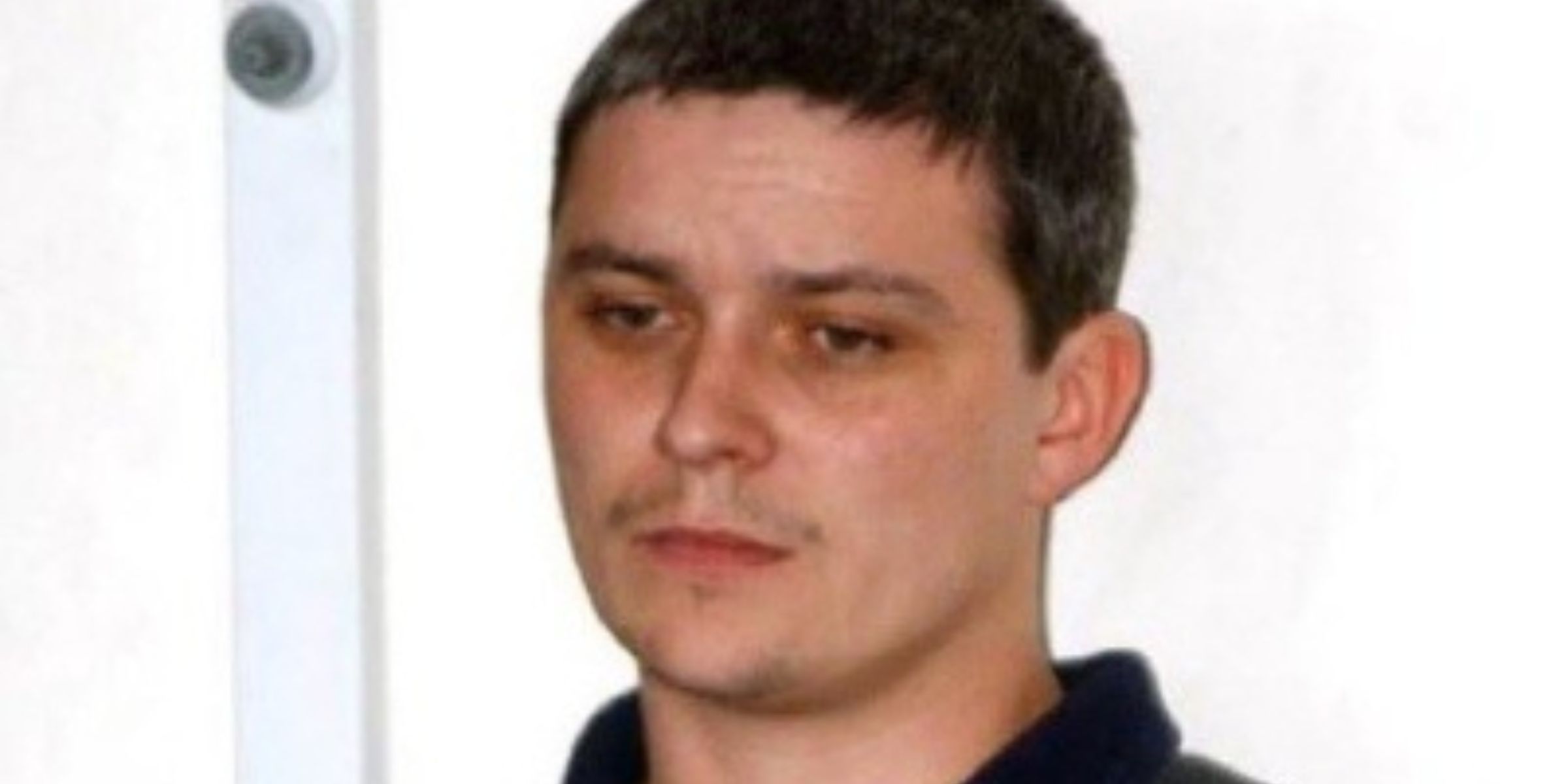
A series of unsettling letters exchanged between Ian Huntley and a female pen pal have resurfaced following his violent death in prison. Huntley, who infamously murdered ten-year-old friends Holly Wells and Jessica Chapman in 2002, wrote to the unnamed woman during his time at Rampton Psychiatric Hospital and later from his prison cell. The correspondence, which spans over 14 months, reveals disturbing insights into his mindset as he awaited trial.
One letter, dated February 26, 2026, coincided with renewed media attention surrounding Huntley after a violent attack at HMP Frankland. In these 30 letters, he made a grotesque request for the woman to send him a photograph of herself wearing a Manchester United shirt. This request is particularly chilling, as the two girls were last seen alive on August 4, 2002, wearing matching Manchester United shirts during a family barbecue. The image of Holly and Jessica in those shirts remains one of the most recognized photographs related to the case.
Huntley’s correspondence, which he carefully crafted to evade scrutiny by prison staff, often referred to the shirt as an “item” or “thing.” In one letter, he wrote, “I wonder as you still haven’t sent me that Man Utd item. Bad lass! You now have to keep your promise and send me back that Man Utd thing you told me about…or it will be I punishing you by not writing for a month.” His use of casual language starkly contrasts with the heinous nature of his crimes.
Huntley, who was convicted of the girls’ murders and sentenced to two life terms in prison in 2003, was also known for his manipulative behavior. In his letters, he described his fluctuating mood, stating, “When I’m down, I’m a miserable git, and when I’m cheerful I’m a barking woof woof.” This self-referential portrayal raises questions about his psychological state and the genuine nature of his interactions with his pen pal.
Investigators revealed that Huntley disposed of the girls’ clothing after their murders by burning it at the school where he worked. Fibres from the clothing were found on Huntley’s own garments, linking him directly to the crime scene. His letters now provide a disturbing glimpse into his attempts to maintain connections with the outside world, even as he faced life imprisonment.
In the days leading up to his death, Huntley sent a final letter to another female correspondent on February 18, 2026. In this correspondence, he indicated he was struggling with life in prison, stating, “I’ve had a lot to deal with lately.” The identity of this recipient has yet to be confirmed.
The resurfacing of these letters has sparked outrage online. Many commentators have expressed disbelief that someone would willingly engage with Huntley. Comments on social media included sentiments like, “I can’t believe anyone in their right mind would do this unless of course they are as deranged as he was,” and “There is something very wrong with these people who write to criminals instead of letting them rot and be forgotten.”
In addition to these letters, another correspondence between Huntley and his estranged daughter, Samantha Bryan, has also emerged. Bryan, who discovered her father’s identity when she was 14, sought to connect with him but received a brief response. He wrote, “Given the probable length of my future and your current motives, I doubt there will be enough time for a significant shift in circumstances in order for us to ever meet.” Bryan has publicly described Huntley as “a pitiful, twisted, manipulative coward,” while her mother stated she hoped he would “burn in hell.”
Huntley was serving two life sentences and was not eligible for parole until at least 2042. He was discovered with severe head injuries following the attack and was later pronounced dead. The circumstances surrounding his death and the contents of his letters continue to evoke strong feelings among the public, highlighting the ongoing impact of his crimes on victims’ families and broader society.