BREAKING: Federal authorities have issued a stark warning that Iran may launch retaliatory strikes on U.S. soil, utilizing sleeper cells, lone wolf sympathizers, and cyberattacks. This urgent alert follows ongoing U.S. and Israeli military offensives against Iran, escalating fears of potential domestic threats.
Authorities report that cryptic messages were disseminated globally within days of the assassination of Iranian Supreme Leader Ayatollah Ali Khamenei on February 28, 2023. A mysterious shortwave radio transmission began with the Persian word for “attention,” followed by a sequence of seemingly random numbers, reminiscent of Cold War espionage tactics. Federal counterterrorism officials believe this could serve as an “operational trigger” for sleeper assets already embedded within the U.S.
While no specific threats have been confirmed, a memo from the FBI and the Department of Homeland Security urges local law enforcement to remain vigilant. The memo cites the “preliminary signals analysis” suggesting this transmission originated from Iran and was aimed at clandestine recipients equipped with an encryption key.
Former LAPD counterterrorism chief Horace Frank emphasized the persistent risk of sleeper cells, stating, “This isn’t new, but given the situation, their proxies are feeling a lot more desperate.” The FBI and DHS have been on heightened alert since the commencement of military operations against Iran.
Historically, Iran has actively sought to target U.S. officials. Following the 2020 U.S. airstrike that killed Iranian General Qassem Suleimani, Iran attempted to orchestrate assassinations of former officials including Mike Pompeo and John Bolton. Recently, a 2024 murder-for-hire plot involving Asif Raza Merchant, who was trained by the Islamic Revolutionary Guard Corps, aimed at President Trump but was thwarted by federal agents.
As the threat landscape evolves, officials are increasingly worried about radicalized U.S. citizens. The tragic 2015 San Bernardino attack serves as a grim reminder of the domestic threat posed by homegrown extremists. In that incident, Syed Rizwan Farook and his wife killed 14 people, an act inspired by online extremist propaganda.
In a chilling coincidence, less than 24 hours after Khamenei’s death, a gunman in Austin, Texas, opened fire on a busy bar strip, killing three and injuring 13 before being shot dead by police. Investigators are probing potential terrorist links to this incident.
Counterterrorism analysts are also on high alert for Iranian proxies, such as Hezbollah and the Houthi movement, which may capitalize on the current chaos. Reports have indicated that Hezbollah maintains a significant presence in Latin America, raising concerns about their ability to orchestrate attacks on U.S. soil.
The threat of cyberattacks remains a critical focus, with Iranian-backed hackers previously attempting to infiltrate U.S. infrastructure. Following the military strikes, Iran’s internet connectivity plummeted, hindering its capability for coordinated cyber operations.
Security measures in the U.S. are being ramped up in response to these escalating threats. Local law enforcement agencies are being urged to engage with their communities, as public vigilance is essential in combatting potential attacks. The Los Angeles Police Department has implemented strategies learned from international experiences, including rigorous protective measures during events like the Oscars.
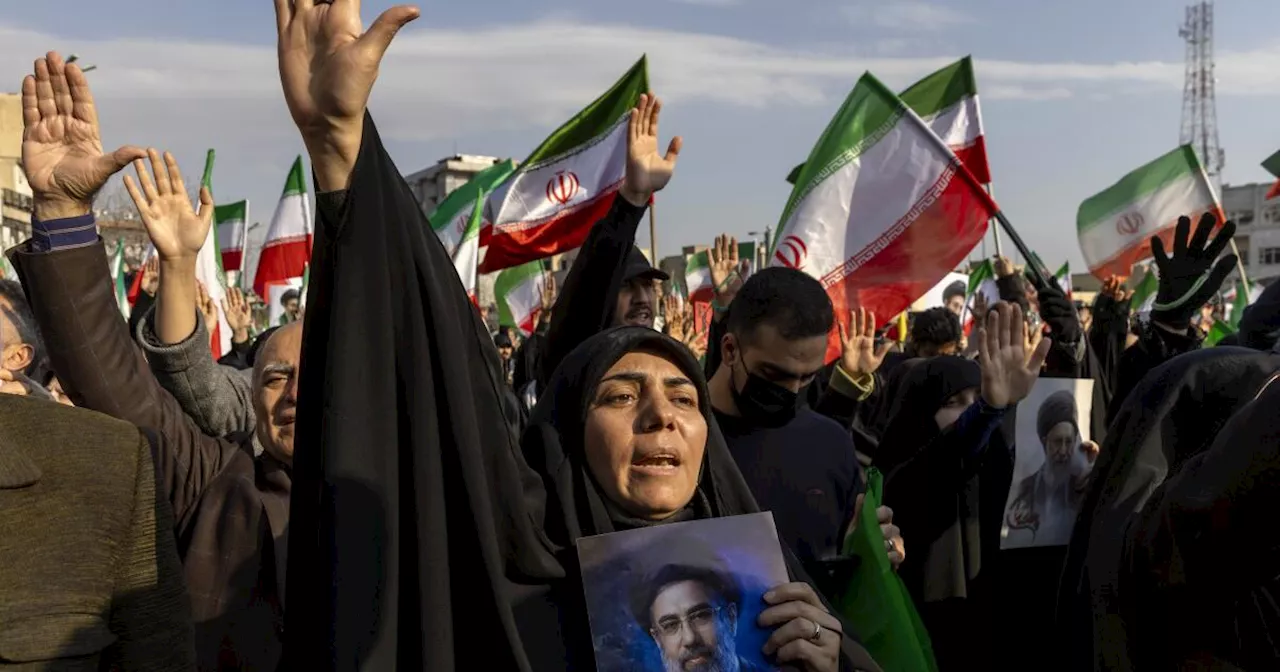
The Iranian community in the U.S., particularly the over 700,000 Iranian Americans in Southern California, is acutely aware of the tension and the implications of these threats. As authorities remain on high alert, the call for community cooperation and intelligence sharing has never been more critical.
As this situation develops, officials stress the importance of public vigilance and cooperation. The ramifications of these threats could be profound, impacting not only national security but the lives of countless citizens. Stay tuned for ongoing updates as authorities navigate this critical and evolving threat landscape.