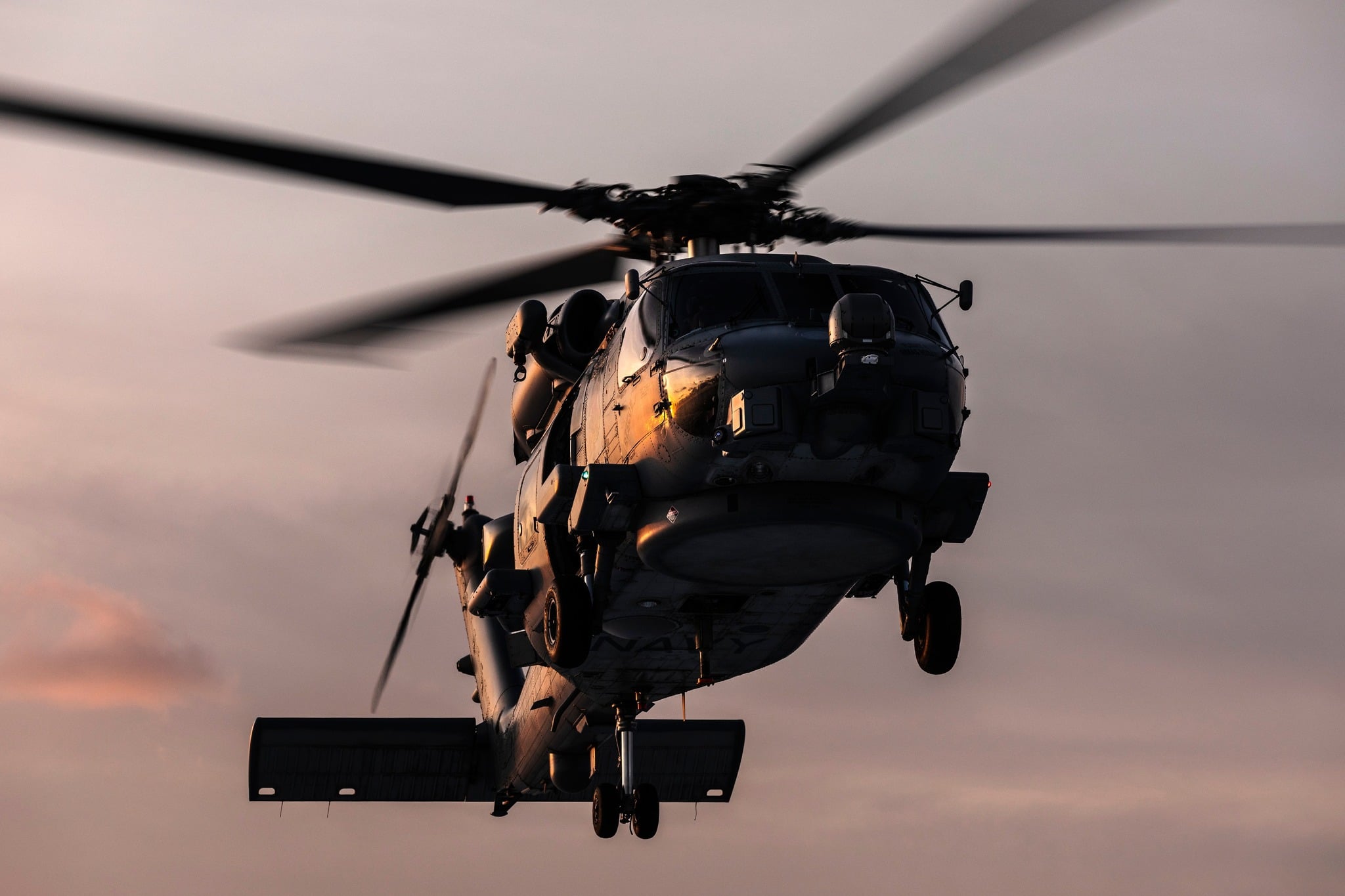
A recent encounter over the Yellow Sea between a helicopter from the Royal Australian Navy and one from the People’s Liberation Army Navy has raised concerns regarding air safety and military professionalism. On March 4, 2024, an Australian MH-60R Seahawk was forced to take evasive maneuvers after a Chinese helicopter closely matched its altitude and approached to an unsafe distance.
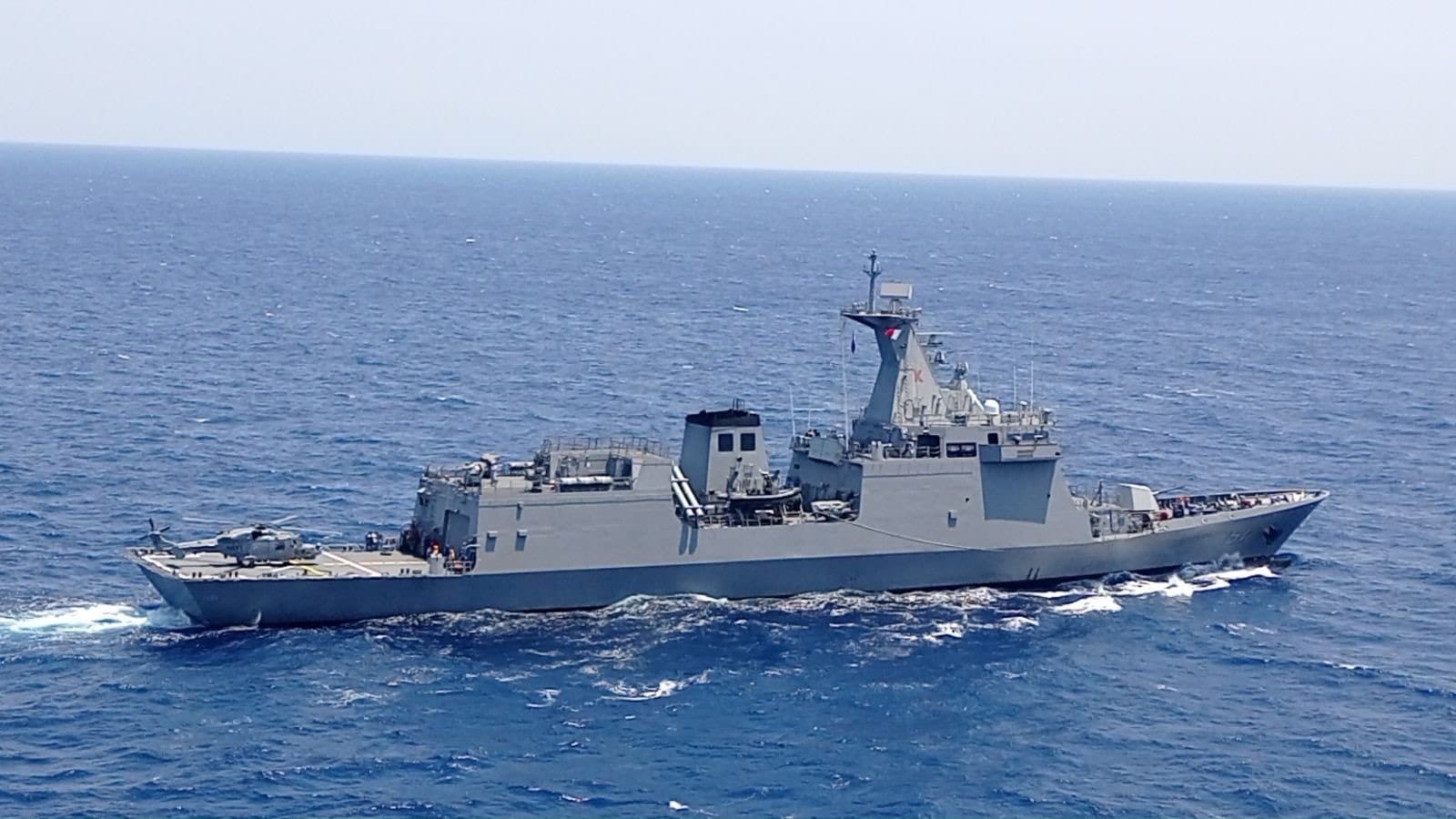
According to a statement from the Australian Defense Department, the incident occurred while the Australian helicopter was operating in international waters as part of Operation Argos, aimed at enforcing United Nations Security Council sanctions against North Korea. The Australian MH-60R had launched from the frigate HMAS Toowoomba (FFH156). The report described the Chinese helicopter’s actions as “unsafe and unprofessional,” noting that it accelerated and maneuvered dangerously close to the Australian aircraft.
The Australian government emphasized that the actions of both the HMAS Toowoomba and its helicopter adhered to international law throughout the encounter. “This was an unsafe and unprofessional manoeuvre that posed a risk to our aircraft and its personnel,” the statement read. Fortunately, there were no damages to the MH-60R, and all personnel aboard remained unharmed.
Australia’s stance is clear: the nation expects all military operations to be conducted in a safe and professional manner. “For decades, the Australian Defense Force has undertaken maritime surveillance activities in the region, in accordance with international law, exercising the right to freedom of navigation and overflight in international waters and airspace,” the statement further asserted.
In response, China’s Ministry of National Defense claimed that Australia was distorting the facts and accused it of engaging in provocative actions. Spokesperson Snr. Col. Jiang Bin stated that the Australian helicopter was conducting close reconnaissance under the guise of a UN mission. He characterized the operations in the Yellow Sea as a threat to China’s national security and insisted that China’s military actions were appropriate and lawful.
Jiang emphasized that UN Security Council resolutions do not authorize any nation to deploy military forces or conduct surveillance in another country’s jurisdiction under the pretext of monitoring violations. This ongoing tension underscores a broader issue as countries like Australia, alongside Canada, France, Germany, Italy, the Netherlands, New Zealand, and the United Kingdom, have conducted monitoring missions since 2018, often facing harassment from Chinese vessels and aircraft.
The HMAS Toowoomba and another frigate, HMAS Warramunga (FFH152), have been part of a Regional Presence Deployment program since early February 2024. While Warramunga is currently operating in the Indian Ocean, Toowoomba continues its commitment to maritime security.
Australia has documented several unsafe incidents with Chinese forces over the past few years. A notable incident occurred in October 2023, when a Chinese fighter jet released flares near a Royal Australian Air Force P-8A Poseidon Maritime Patrol Aircraft over the South China Sea. Prior to that, in November 2023, Toowoomba was involved in an Operation Argos mission when a Chinese destroyer approached closely, resulting in minor injuries to Australian divers.
While Australia navigates these challenges, Japan has also reported increased military activity in the region, including separate reconnaissance missions conducted by Chinese Y-9 Electronic Intelligence aircraft. These flights prompted Japan’s Joint Staff Office to scramble fighter aircraft in response.
Recent developments indicate a growing complexity in maritime security in the Asia-Pacific region, as both China and Russia continue to assert their military presence. For instance, Russian naval assets have been observed transiting near Japan, with the Pacific Fleet confirming deployments aimed at conducting training exercises in the area.
As tensions persist, the international community remains vigilant. The implications of these military interactions extend beyond national borders, affecting regional stability and security in the Asia-Pacific. The situation calls for continued dialogue and adherence to international norms to prevent further incidents that could escalate into more severe confrontations.