The Legal Aid Society, the United States’ largest public defense provider, is marking its 150th anniversary with a special exhibition at the New York Historical Society. Established in 1876, the organization began with a modest team of three, dedicated to providing legal assistance to low-income individuals. Within its first year, the German Legal Aid Society, as it was originally named, represented 212 immigrants unable to afford legal counsel. Over the decades, it has evolved significantly, expanding its services to assist all New Yorkers in need.
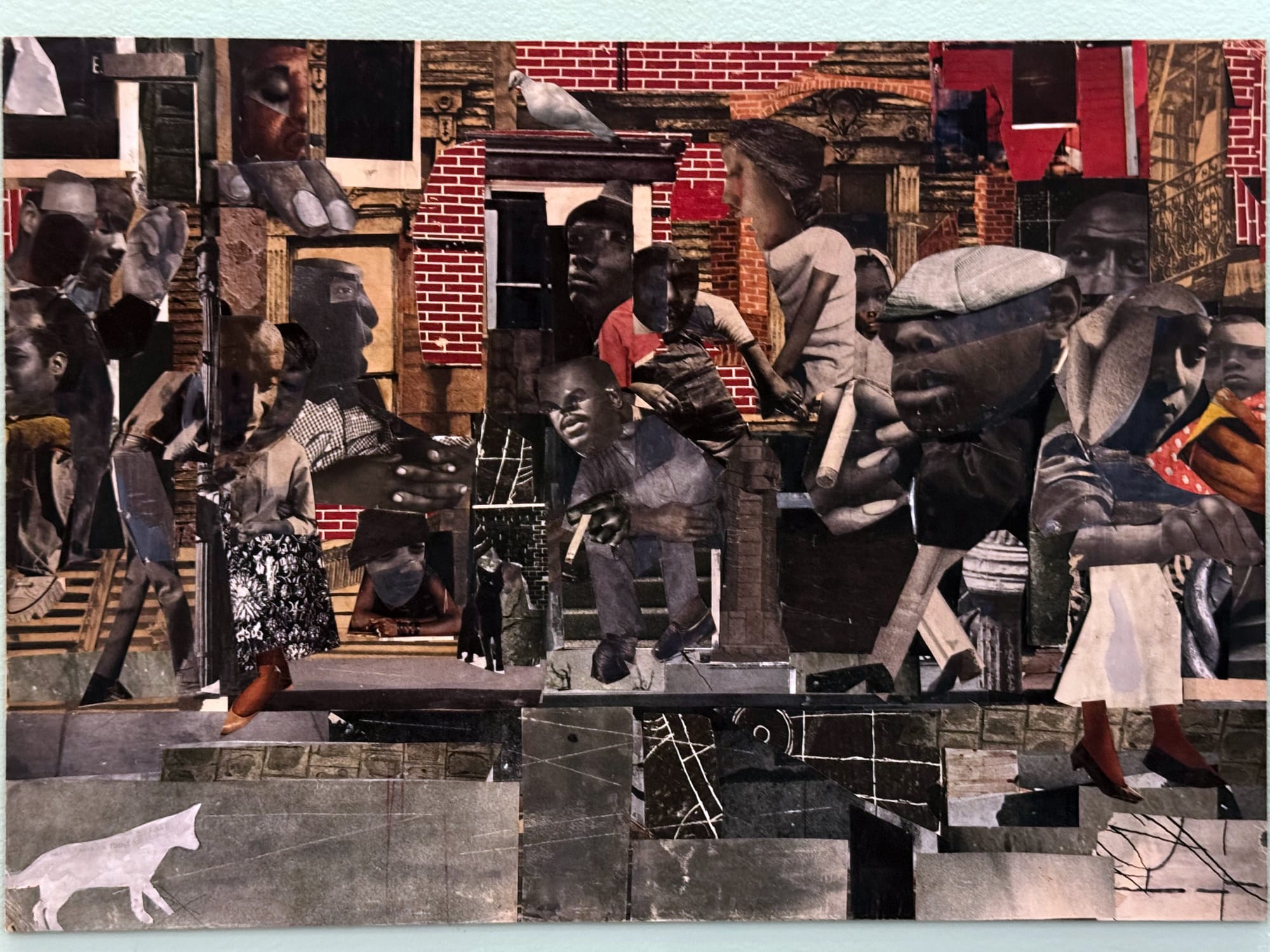
In recognition of this milestone, the exhibition titled Delivering Justice: 150 Years of The Legal Aid Society features a range of artifacts from the organization’s rich history. Among the items displayed are early photographs, artwork created by clients, and memorabilia reflecting the Legal Aid Society’s advocacy efforts. The exhibition opened earlier this month and will remain on view until July 5, 2026.
Reflecting on a Legacy of Advocacy
Twyla Carter, CEO and Attorney-in-Chief of the Legal Aid Society, emphasized the intersecting nature of law and culture in a recent interview. “Justice isn’t just legal. It’s also cultural,” she stated. The exhibit aims to highlight how lived experiences shape the legal landscape and the importance of community engagement in the pursuit of justice.
The display includes notable legal achievements, such as a poster supporting the leaders of the 1971 Attica prison uprising. The Legal Aid Society played a crucial role in defending the rights of incarcerated individuals who protested against their treatment at the facility. Additionally, it recently won a lawsuit that mandated oversight of conditions at Rikers Island, a notorious jail in New York City. This landmark decision aims to address systemic issues related to brutality and inhumane treatment, with plans for the jail’s closure by 2027.
Josh MacPhee, a Brooklyn-based artist, contributed to the exhibition with his anti-Rikers poster and foam fist, containing the message “Close Rikers.” Although he has not worked directly with the Legal Aid Society, MacPhee’s artwork reflects the organization’s mission and advocacy efforts. “We’re culturally starting to shift towards understanding that the material people produce when they’re organizing is just as valuable to telling that story as written accounts,” he noted.
A Call for Engagement and Awareness
Carter expressed hope that the exhibition would engage new audiences and raise awareness about the organization’s ongoing work. “We hope all of that together will spark interest from individuals who didn’t know who we were,” she explained. This effort aims to reach those who may be unaware of the challenges faced by vulnerable communities, contrasting their experiences with those who enjoy greater social privileges.
Throughout its history, the Legal Aid Society has achieved significant legal victories. Carter highlighted a landmark case from 1981, which mandated the city to provide shelter services for single homeless men, a right that has since been extended to women and children. Furthermore, the establishment of the New York Immigrant Family Unity Project stands out as the country’s first publicly funded program to provide universal representation for individuals facing deportation.
Reflecting on the organization’s journey, Carter remarked, “The fight for dignity, fairness, and equality is constant.” As the Legal Aid Society celebrates its sesquicentennial, it continues to advocate tirelessly for justice, ensuring that all individuals, regardless of their circumstances, have access to legal representation and support.