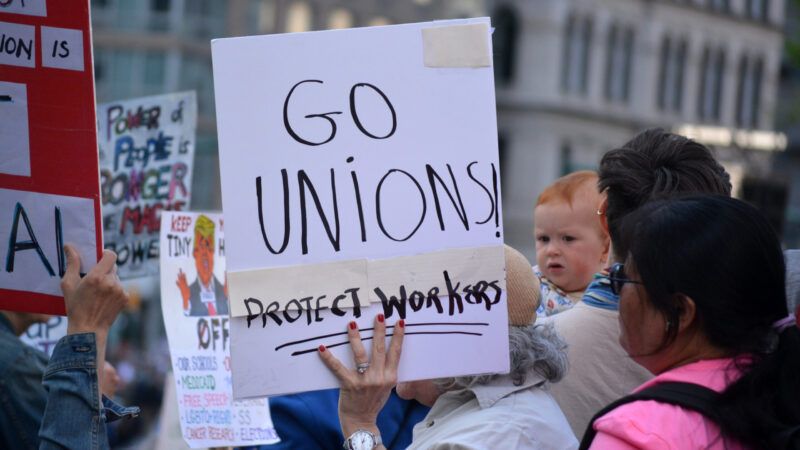
UPDATE: Utah’s new union law is igniting a fierce political battle as the Utah Education Association pushes to repeal House Bill 267, which bans public sector collective bargaining. Just hours ago, the union announced it has gathered over 320,000 signatures, the most ever for a ballot petition in state history, aiming to place the repeal measure on the November 2026 ballot.
This sweeping reform, passed earlier this year by the Utah legislature, prohibits unions from negotiating on behalf of all workers, including nonmembers. It also ends the controversial “release time” practice, which allowed public employees to conduct union business while on the clock, and imposes stricter reporting requirements for union financial activities.
Rep. Jordan Teuscher (R–South Jordan), the bill’s sponsor, has claimed that previous agreements with unions were not honored, prompting lawmakers to move forward without their support. Union leaders, however, vehemently deny these allegations, setting the stage for a contentious campaign as both sides prepare for the upcoming vote.
Adding to the drama, Utah’s Republican Governor Spencer Cox, who initially signed the bill into law, has since distanced himself from the legislation, stating, “I sign lots of bills I don’t like for lots of different reasons.” His retreat has left supporters scrambling to defend the law amidst growing opposition.
The ramifications of this legislation are significant. While it does not eliminate unions, it strips them of the power to collectively bargain, a move seen by many as empowering workers with more choices. The Mackinac Center for Public Policy commented that public sector unions will no longer hold a “monopoly” over representation, which could reshape the landscape of labor relations in Utah.
As Utah’s unions mobilize for the ballot initiative, the stakes are high. Advocates for the law assert that it promotes worker autonomy and flexibility, aligning with broader conservative labor policies that aim to support independent contracting and portable benefits for workers in the gig economy.
The urgency of this situation cannot be overstated. With the repeal effort now underway, attention turns to how this conflict will unfold in the months leading to the election. Both sides must prepare for a heated campaign, as the implications of House Bill 267 will likely resonate beyond Utah, influencing labor policies across the nation.
Expect more developments as this contentious ballot battle heats up, and watch for how both supporters and opponents strategize in the run-up to the pivotal November 2026 vote.