A federal judge has placed a two-week pause on the construction of an immigration detention facility at a warehouse in Washington County, Maryland. This decision follows a request from Maryland Attorney General Anthony Brown, who filed an emergency injunction to stop the work while the state’s legal challenge against the U.S. Department of Homeland Security (DHS) proceeds.
The site in question, located at 10900 Hopewell Road near Williamsport, has been earmarked for conversion into an immigration detention and processing facility by the DHS. This facility is intended to serve as a processing center for individuals detained under immigration laws. The judge’s ruling effectively halts all construction activities as the court reviews the legal arguments presented by the state.
State Lawsuit Challenges Environmental Compliance
In the lawsuit filed on March 10, 2024, Brown argues that the DHS did not adhere to required environmental review processes before initiating the conversion of the warehouse. The state contends that federal officials neglected to adequately assess the potential environmental impacts or to engage the public in a meaningful way prior to moving forward with the project.
Brown’s office requested an emergency order to stop construction until these legal questions can be addressed. The judge’s decision to grant the two-week injunction provides a temporary reprieve while the court considers the broader implications of the case and whether further environmental assessments are necessary.
Growing Attention Around Detention Expansion
The Washington County project has garnered significant attention, particularly in light of its alignment with federal initiatives aimed at expanding immigration detention infrastructure. Planning documents from U.S. Immigration and Customs Enforcement outline a Detention Reengineering Initiative, which seeks to increase the capacity and restructure the federal detention network. This initiative involves acquiring and renovating various facilities nationwide, with large detention centers potentially housing thousands of detainees.
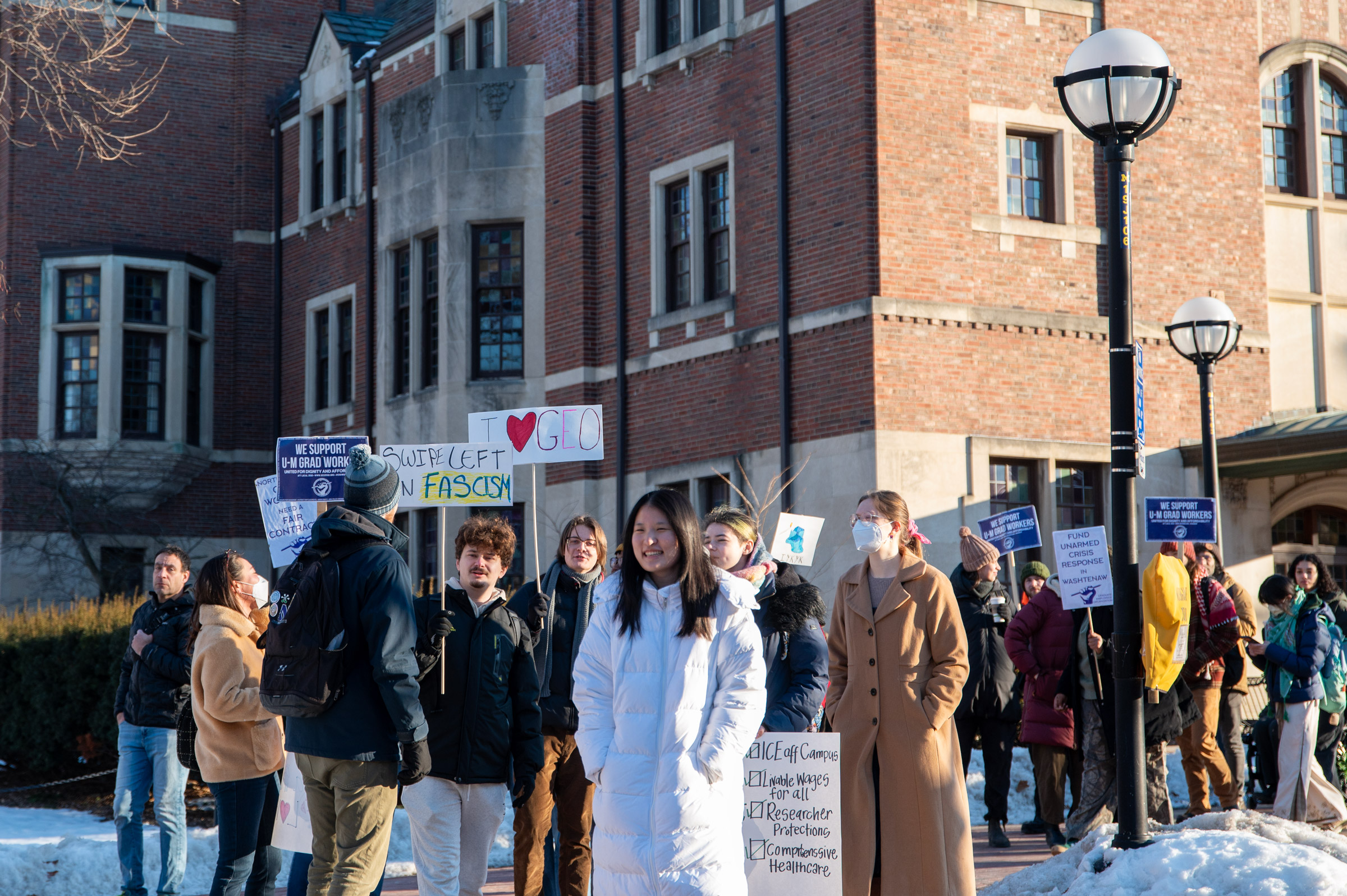
Local opposition has emerged in response to the proposed facility. A grassroots group known as Hagerstown Rapid Response formed earlier this year to raise awareness about the federal government’s plans. The coalition has organized protests at county meetings, conducted research, and collaborated with media outlets to highlight the potential impacts of the facility. Organizers express concerns regarding the lack of transparency in the planning process and the broader consequences of expanding detention infrastructure in their community.
In addition, the group has launched an online petition titled “Stop the ICE Detention Center in Washington County,” urging federal officials to reconsider the conversion of the warehouse.
Federal authority complicates local responses, as Washington County officials have acknowledged that the DHS informed them about the facility earlier this year. County leaders have indicated that federal jurisdiction over immigration enforcement may constrain local efforts to block the project through zoning regulations. Consequently, the dispute is primarily occurring within federal court and through state-level legal challenges.
The judge’s two-week injunction serves as a critical moment in the ongoing legal battle. The outcome of this case could determine the extent to which the DHS must comply with environmental review processes before resuming work on the project. For now, the warehouse at 10900 Hopewell Road remains at the center of a contentious debate regarding immigration enforcement, detention policy, and the balance of federal and local authority.