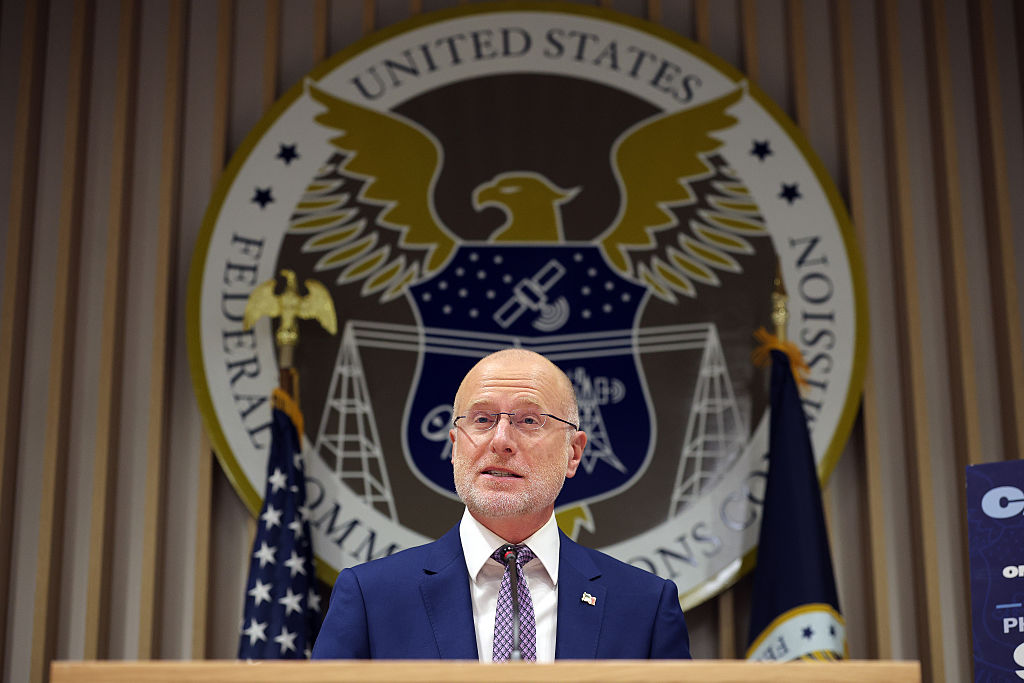
As the conflict between the United States and Iran continues into its third week, the Federal Communications Commission (FCC) is drawing attention to the media’s role in reporting on the war. FCC Chairman Brendan Carr issued a warning to broadcasters this week, emphasizing their obligation to provide accurate information or face potential regulatory scrutiny regarding their broadcast licenses.
This directive follows statements from former President Donald Trump, who accused major media outlets of misleading the public about the administration’s military actions against Iran. Carr stressed that broadcasters must operate in the “public interest,” suggesting that networks disseminating what he termed as inaccurate information could impact their license renewals.
In a message shared on social media, Carr noted, “Broadcasters that are running hoaxes and news distortions – also known as fake news – have a chance now to correct course before their license renewals come up.” He reiterated that the law is clear: broadcasters must adhere to public interest standards, with consequences for those who do not.
The warning came shortly after Trump criticized media coverage of the war on his platform, Truth Social. He described the reporting as “wrong” and urged Americans to be skeptical of the news. The former president has repeatedly alleged that news organizations distort the effectiveness of U.S. military strikes on Iranian targets.
Concerns over press freedom have emerged in response to Carr’s comments, with advocates suggesting that such warnings could lead to government interference in media operations during wartime. The situation also reflects growing tensions between federal regulators and major media companies, which are currently facing increased scrutiny over their editorial independence.
For instance, the controversy surrounding CBS has raised questions about the network’s oversight of programming. A segment of the program “60 Minutes” reportedly underwent internal scrutiny prior to airing. Moreover, political commentary shows, such as Stephen Colbert’s late-night talk show, have faced backlash from conservative critics, further complicating the media landscape.
Critics argue that the combination of political pressure and regulatory authority could create a chilling effect in newsrooms, particularly as the current administration reacts to coverage of the ongoing conflict. Brian Schatz, a U.S. senator, expressed concern, stating, “This is a clear directive to provide positive war coverage or else licenses may not be renewed. The stakes here are much higher.”
In response to the criticism, Carr maintained that broadcasters utilizing publicly licensed airwaves have a responsibility to inform viewers accurately. His comments underscore the tension as the administration navigates its relationship with major news organizations while the war unfolds.
As the situation develops, questions linger about how the conflict will be reported to the public and the implications for journalistic standards in the face of regulatory oversight. The ongoing debate highlights the critical balance between maintaining press freedom and ensuring responsible reporting during significant national and international events.